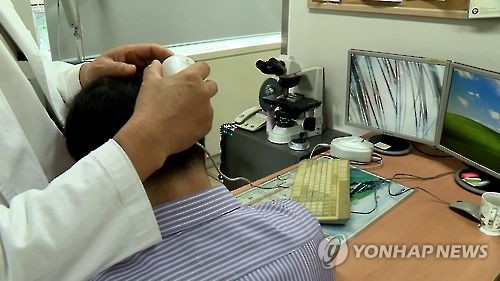
South Korea’s expenditure on hair loss treatments has grown 1.7 times over the past decade, prompting the government to consider extending National Health Insurance (NHI) coverage to alopecia medications. The proposed review, slated for the second half of the year, aims to address the rising burden on younger populations, although officials have not yet released specific financial projections regarding the impact on the national insurance budget.
The surge in medical spending reflects a significant shift in the demographic profile of patients seeking treatment for hair loss in South Korea. While alopecia has historically been viewed as a condition affecting older populations, recent data indicates a sharp rise in cases among individuals in their 20s and 30s. This shift has moved hair loss from a niche dermatological concern to a significant public health and economic issue.
As the South Korean government evaluates the feasibility of subsidies, the central debate remains whether alopecia treatment should be classified as an essential medical necessity or a non-reimbursable cosmetic procedure. The outcome of this policy review will determine the future affordability of widely used medications for millions of citizens.
Why are hair loss medical costs rising in South Korea?
Data indicates that the total amount spent on hair loss-related medical services in South Korea has increased by 170% over the last 10 years. This 1.7-fold increase is driven by two primary factors: a growing number of patients and the rising costs associated with specialized dermatological care.
Medical experts note that the “youthification” of hair loss is a primary driver of these costs. Factors such as increased stress levels, changes in dietary habits, and environmental pollutants have been linked to early-onset alopecia in younger demographics. As more young adults seek clinical intervention, the aggregate spending on outpatient visits, diagnostic tests, and prescription medications has climbed steadily.
Furthermore, the market for hair loss treatments has expanded beyond basic topical applications to include advanced pharmaceutical interventions and procedural therapies. While many of these treatments are currently paid for entirely out-of-pocket by patients, the sheer volume of the market has made it a point of interest for healthcare policymakers looking at long-term medical expenditure trends.
Will alopecia medications be covered by National Health Insurance?
The South Korean government is currently preparing a formal review to determine if specific hair loss medications should be integrated into the National Health Insurance (NHI) framework. This review is expected to take place during the second half of the year, with a specific emphasis on the needs of the youth demographic.
Under the current system, most hair loss medications—including common oral treatments like finasteride and dutasteride—are classified as “non-reimbursable” items. This means patients must cover 100% of the cost without assistance from the state. If the government moves forward with coverage, these medications would become significantly more affordable, as the NHI would subsidize a substantial portion of the prescription cost.
The Ministry of Health and Welfare is tasked with evaluating the medical necessity of these drugs. For a medication to receive NHI coverage, it must typically meet strict criteria proving that the condition being treated is a disease that requires clinical intervention rather than a choice made for aesthetic enhancement. The government’s decision will hinge on whether alopecia is officially categorized as a condition that significantly impacts the quality of life and mental health of the population.
Comparison of Treatment Classifications
| Feature | Current Status (Non-Reimbursable) | Proposed Status (NHI Covered) |
|---|---|---|
| Patient Cost | High (100% out-of-pocket) | Low (Subsidized by NHI) |
| Classification | Primarily viewed as cosmetic | Viewed as medical necessity |
| Primary Target | General population | Focus on high-need/youth groups |
| Budget Impact | No impact on state funds | Potential increase in NHI expenditure |
The debate over medical necessity versus cosmetic treatment
The core tension in this policy discussion lies in the definition of “medical necessity.” In the South Korean healthcare system, the distinction between a medical treatment and a cosmetic procedure is a critical boundary that dictates how public funds are allocated.
Proponents of insurance coverage argue that hair loss is not merely a matter of vanity. They point to the profound psychological impact of alopecia, noting that it is frequently linked to depression, social anxiety, and decreased self-esteem, particularly among young adults entering the workforce. From this perspective, treating alopecia is a preventative measure for mental health, which ultimately reduces other healthcare costs.
Conversely, skeptics and fiscal conservatives raise concerns about “benefit creep.” There is a fear that subsidizing hair loss medication could set a precedent for covering other cosmetic-adjacent conditions, potentially straining the National Health Insurance fund. Critics argue that public resources should be prioritized for life-threatening illnesses and acute medical emergencies rather than conditions that, while distressing, do not pose an immediate threat to physical health.
Financial uncertainty for the healthcare budget
One of the most significant hurdles facing the government is the lack of clear financial forecasting. While the intention to review coverage is clear, the actual fiscal impact on the National Health Insurance system remains “unclear” or unquantified, according to recent reports regarding the government’s planning stages.

Calculating the exact cost of adding hair loss medications to the NHI is complex due to several variables:
- Patient Volume: The exact number of individuals who would seek treatment if costs were lowered is difficult to predict, though a surge in demand is highly likely.
- Medication Pricing: The government must negotiate drug prices with pharmaceutical companies to ensure that subsidies do not lead to inflated costs.
- Long-term Maintenance: Unlike acute illnesses, hair loss treatments often require lifelong medication, creating a permanent and growing line item in the national health budget.
Without a precise estimate of these expenditures, policymakers are hesitant to commit to a specific coverage model. This lack of data has led to calls from patient advocacy groups for more transparent research into how much the government stands to save in long-term mental health costs versus the immediate expenditure on pharmaceutical subsidies.
The next major checkpoint in this process will be the official announcement of the government’s review findings and the proposed framework for medication coverage, expected in the latter half of the year. We will continue to monitor updates from the Ministry of Health and Welfare regarding these policy developments.
Do you believe hair loss treatment should be covered by public health insurance? Share your thoughts in the comments below and share this article with your network to join the conversation.