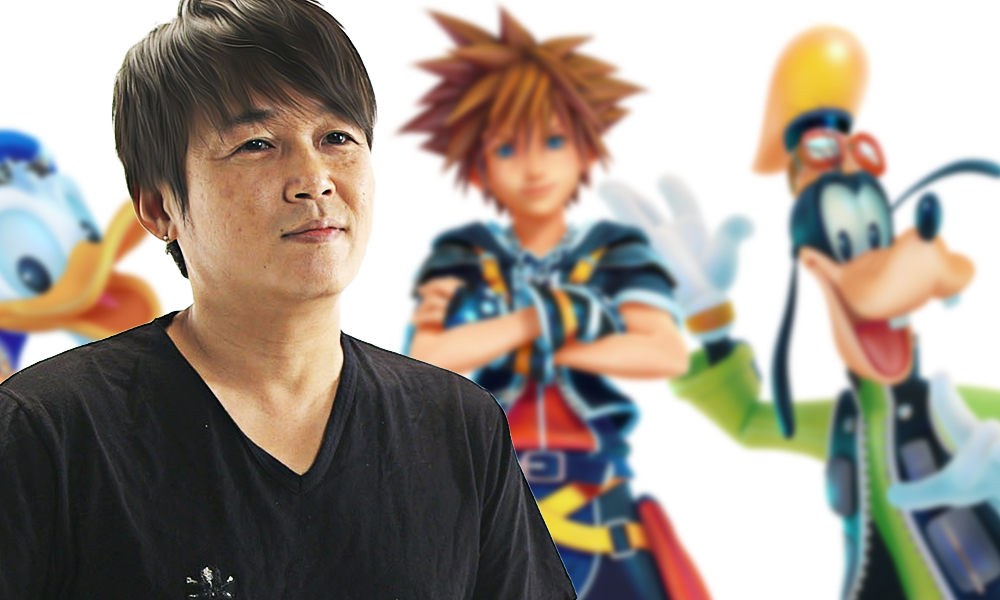
Tetsuya Nomura, the creative director and character designer for the Kingdom Hearts franchise, has characterized the series as his life’s work, signaling a deep personal investment in the long-running crossover project. This sentiment reflects the two-decade evolution of the action RPG series, which has required Nomura to manage a complex narrative involving characters from both Square Enix and Disney properties.
The statement highlights the scale of the commitment required to maintain the franchise’s intricate lore and its unique position in the gaming industry. Since the debut of the first title in 2002, Nomura has served as the primary architect of the series’ visual identity and storytelling direction, navigating multiple console generations and evolving technological requirements.
The Creative Legacy of Tetsuya Nomura
Nomura’s role within Square Enix extends beyond simple direction. As a designer, his aesthetic choices—ranging from character silhouettes to the specific design of the “Keyblade”—have become synonymous with the Kingdom Hearts brand. By identifying the series as his life’s work, Nomura underscores the continuity required to keep a multi-platform, multi-studio collaboration cohesive over twenty years.
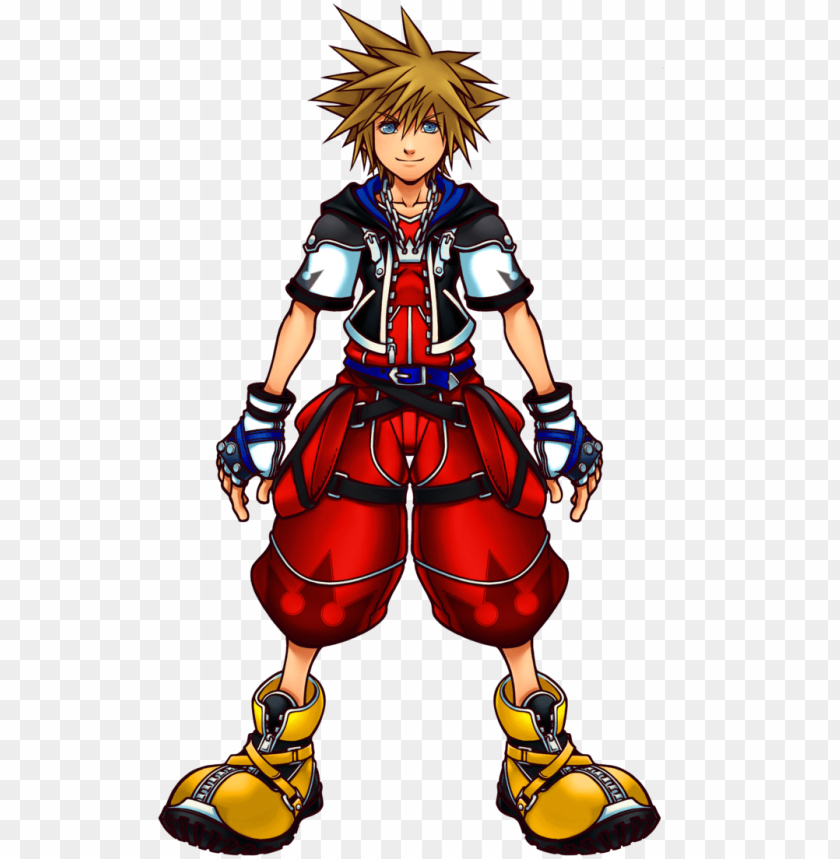
The franchise operates on a unique intersection of intellectual properties. While Square Enix manages the core mechanics and original characters like Sora, Riku, and Kairi, the integration of Disney’s vast library of worlds requires constant coordination. This partnership has been a cornerstone of the series’ identity, allowing for a blend of high-fantasy storytelling and established cinematic universes.
Industry analysts note that maintaining such a massive IP is a logistical challenge. Unlike standalone titles, Kingdom Hearts functions as a continuous narrative thread. Decisions made in early titles on the PlayStation 2 continue to influence the plotlines of modern entries, creating a high level of complexity for both the developers and the fanbase.
Navigating the Complexity of Kingdom Hearts Lore
One of the primary reasons the series has become a career-defining project for Nomura is the sheer density of its storytelling. The narrative involves concepts such as “hearts,” “nobodies,” and “world orders” that require meticulous documentation to ensure consistency across various spin-offs and sequels.
The complexity of the lore has often been a point of discussion among players and critics. While the narrative depth provides long-term engagement, it also necessitates a disciplined approach to world-building. Nomura’s task involves balancing the emotional stakes of his original characters with the established personalities of Disney icons, ensuring that neither element feels out of place.
This narrative management has expanded across several different platforms and formats, including:
- Mainline console entries: Large-scale adventures focusing on the primary conflict.
- Handheld spin-offs: Smaller, character-focused stories that flesh out the world.
- Mobile titles: Experimental entries that test new gameplay mechanics.
- Remaster collections: Efforts to make the sprawling history accessible to new generations of players.
Technical Evolution and Engine Transitions
The transition of Kingdom Hearts through different hardware cycles has mirrored the broader evolution of the gaming industry. The series began in an era of proprietary engines and limited memory, forcing Nomura and his team to rely heavily on art direction and stylized character models to create a sense of scale.

As the series moved into the high-definition era, the technical requirements shifted significantly. The development of Kingdom Hearts III marked a major milestone, as the team moved toward more cinematic combat and detailed environments. This transition required a complete overhaul of how the Disney worlds were rendered, moving from stylized interpretations to high-fidelity recreations.
The upcoming development of Kingdom Hearts IV represents the next major technical leap for the franchise. Reports and official trailers indicate a shift to Unreal Engine, a move intended to provide even greater visual fidelity and more expansive environments. This shift in engine technology will likely change how Nomura approaches world design, moving away from the technical constraints of previous hardware toward more seamless, open-feeling spaces.
Timeline of Major Kingdom Hearts Releases
| Year | Title | Primary Platform | Significance |
|---|---|---|---|
| 2002 | Kingdom Hearts | PlayStation 2 | Series debut and introduction of Sora. |
| 2005 | Kingdom Hearts II | PlayStation 2 | Major expansion of combat and narrative scale. |
| 2012 | Kingdom Hearts HD 1.5 ReMIX | PlayStation 3 | Consolidation of early titles for modern hardware. |
| 2019 | Kingdom Hearts III | PlayStation 4 | Transition to high-definition, cinematic gameplay. |
| TBA | Kingdom Hearts IV | Unspecified (Next-gen) | Transition to Unreal Engine. |
The Impact of the Disney-Square Enix Partnership
The relationship between Square Enix and Disney is a rare example of successful cross-industry collaboration. For Nomura, this partnership is not just about licensing; it is about creative synergy. The ability to place a Square Enix-designed character in the middle of a Disney-owned world creates a specific type of “dreamlike” atmosphere that is central to the series’ appeal.
However, this collaboration also introduces unique challenges. Each Disney world comes with its own established rules, art styles, and tones. The development team must ensure that the gameplay mechanics—which are rooted in Square Enix’s action-RPG tradition—feel natural within these diverse settings. This requires a high degree of flexibility in both animation and level design.
The success of this model has made Kingdom Hearts a benchmark for how different intellectual properties can coexist. It has proven that a shared narrative can bridge the gap between different demographics, appealing to both fans of traditional Japanese RPGs and enthusiasts of Western animation.
The Future of the Franchise
As Nomura continues his work on the series, the focus remains on the “Lost Master Arc,” a narrative phase intended to resolve many of the overarching mysteries established in previous games. The development of Kingdom Hearts IV is the centerpiece of this era, promising to push the boundaries of what the series can achieve both visually and narratively.
.full.4229177.jpg "The Future of the Franchise")
The move to Unreal Engine is expected to be a defining factor in the next chapter. This technology allows for more sophisticated lighting, particle effects, and environmental interactions, which are essential for the series’ highly stylized combat. For Nomura, this technological shift provides new tools to realize the expansive visions he has proposed for the franchise’s future.
While specific release dates for upcoming titles remain unconfirmed, the direction of the franchise is clear: a continued focus on high-fidelity visuals, deep emotional storytelling, and the expansion of the interconnected multiverse.
Frequently Asked Questions
Who is the director of Kingdom Hearts?
Tetsuya Nomura is the primary director and character designer for the Kingdom Hearts series.
Why is Kingdom Hearts considered unique?
The series is unique due to its collaboration between Square Enix and Disney, blending original RPG storytelling with established Disney animation worlds.
What engine will Kingdom Hearts IV use?
Official information indicates that the series is transitioning to Unreal Engine for future developments, including Kingdom Hearts IV.
Is the story of Kingdom Hearts finished?
No, the series is currently in the “Lost Master Arc,” with Kingdom Hearts IV expected to continue the ongoing narrative developments.
The next major update regarding the development of Kingdom Hearts IV or official Square Enix roadmap announcements is expected at a future state of play or industry event. We will continue to monitor official filings and developer presentations for confirmed release windows.
What are your thoughts on Nomura’s long-term vision for the series? Let us know in the comments below and share this article with your fellow fans.
Worth a look