The Definitive Guide to Hair Restoration in 2025
Are you considering hair restoration and feeling overwhelmed by the options? You’re not alone. The field is rapidly evolving, offering more solutions than ever before. This guide will break down everything you need to know to make informed decisions about your hair and your future.
Understanding the Landscape of Hair Loss
Hair loss impacts millions, and itS often a deeply personal concern. It’s important to remember you’re not defined by your hair,but regaining confidence is a valid and achievable goal. Several factors contribute to hair loss, including genetics, hormonal changes, and medical conditions.Understanding the root cause is the first step toward finding the right solution for you.
Surgical Advancements: Hair Transplants Reimagined
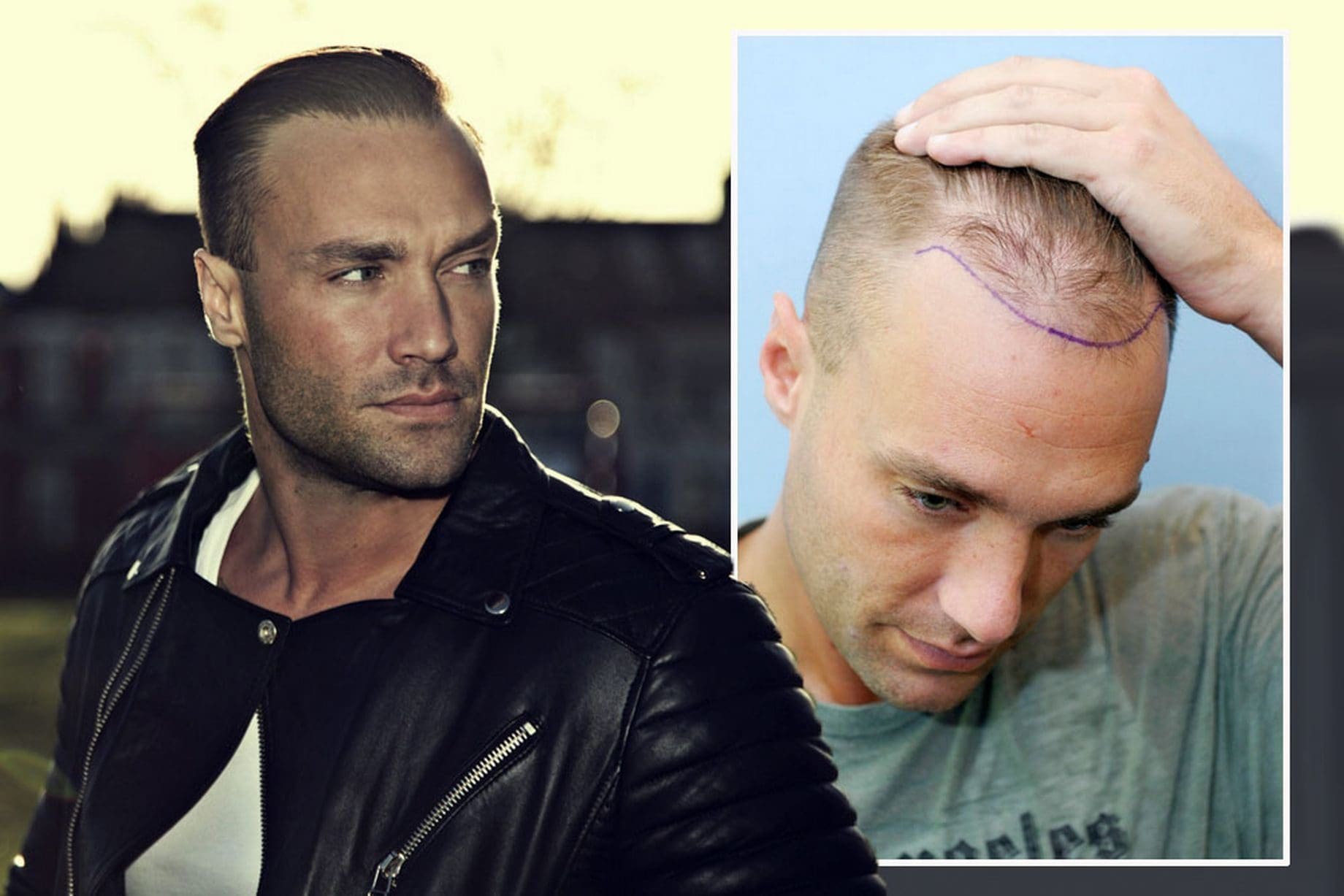
Hair transplant techniques have come a long way. Today’s procedures are more precise, less invasive, and deliver remarkably natural results.
* Follicular Unit Extraction (FUE) remains a popular choice, involving the removal of individual hair follicles.
* Robotic-Assisted FUE enhances precision and efficiency, minimizing scarring.
* Direct Hair Implantation (DHI) offers even greater control over graft placement and angle.
Interestingly, artificial intelligence is now playing a crucial role. AI enhances precision in graft placement, leading to denser, more natural-looking hairlines. It also helps create personalized treatment plans through detailed data analysis of your hair characteristics and loss patterns.
Beyond surgery: Innovative Non-Surgical Options
If you’re not ready for surgery, or prefer a less invasive approach, several promising non-surgical options are available.
* Enhanced Topical Solutions: New formulations wiht potent ingredients are showing improved results in stimulating hair growth.
* Improved Laser Therapies: Low-level laser therapy (LLLT) continues to evolve, offering a non-invasive way to encourage hair follicle activity.
* Platelet-Rich Plasma (PRP) Therapy: This involves injecting concentrated platelets from your own blood into the scalp to promote healing and growth.
These options continue to improve, offering a viable path for many seeking hair restoration.
The Promise of Regenerative Medicine: Stem cell Therapy
Stem cell therapy is generating significant buzz in the hair restoration world.It holds immense potential for regenerating hair follicles, but it’s still largely in the research phase. while promising, widespread availability is still some time away.
the Power of Personalization: Genetic Testing
Genetic testing is becoming increasingly valuable in tailoring hair restoration treatments. It helps identify your individual predisposition to hair loss and predict your response to different therapies. This allows your doctor to create a treatment plan specifically designed for your unique genetic makeup.
What to Expect: Recovery and Aftercare
Recovery from modern hair transplant procedures is typically quicker and more comfortable than in the past. You can usually resume normal activities within a few days, though some restrictions may apply. Following your doctor’s aftercare instructions diligently is crucial for optimal results.
Understanding the Investment: Costs in 2025
The cost of hair transplants in 2025 varies significantly. Factors influencing price include the chosen technology, the extent of hair loss, and the complexity of the procedure. Expect a wide range, so a detailed consultation is essential to get an accurate estimate.
Addressing Concerns: Potential Side Effects
While advancements have minimized risks, it’s important to be aware of potential side effects. common, temporary effects include swelling, redness, and mild discomfort. These typically subside within a few days to a week. A skilled surgeon will discuss all potential risks and how to manage them.
Preparing for Your Consultation: Asking the Right Questions
A thorough consultation is the cornerstone of a prosperous hair restoration journey. Here’s how to prepare:
* Compile a list of questions: Don’t hesitate to ask anything that’s on your mind.
* Have realistic expectations: Understand what can and cannot be achieved.
* Consider a virtual consultation: This can be a convenient
Related reading