
A tragic incident at one of Haiti’s most significant cultural landmarks has left at least 30 people dead following a massive crush of crowds. The disaster occurred at the Citadelle Laferriere, a historic fortress and UNESCO World Heritage site, where a stampede broke out among visitors.
The scale of the tragedy has sent shockwaves through the region, as emergency responders struggled to manage the chaos at the remote site. Reports indicate that the Haiti stampede resulted in a significant loss of life, with at least 30 fatalities confirmed across multiple reporting agencies Al Jazeera.
Tragedy at Citadelle Laferriere
The Citadelle Laferriere, perched high in the mountains, is one of the most important tourist sites in Haiti. Still, the site became the scene of a catastrophe when a crush occurred, leading to a stampede. According to reports from the BBC, at least 30 people are feared dead in the crush at the tourist location BBC.
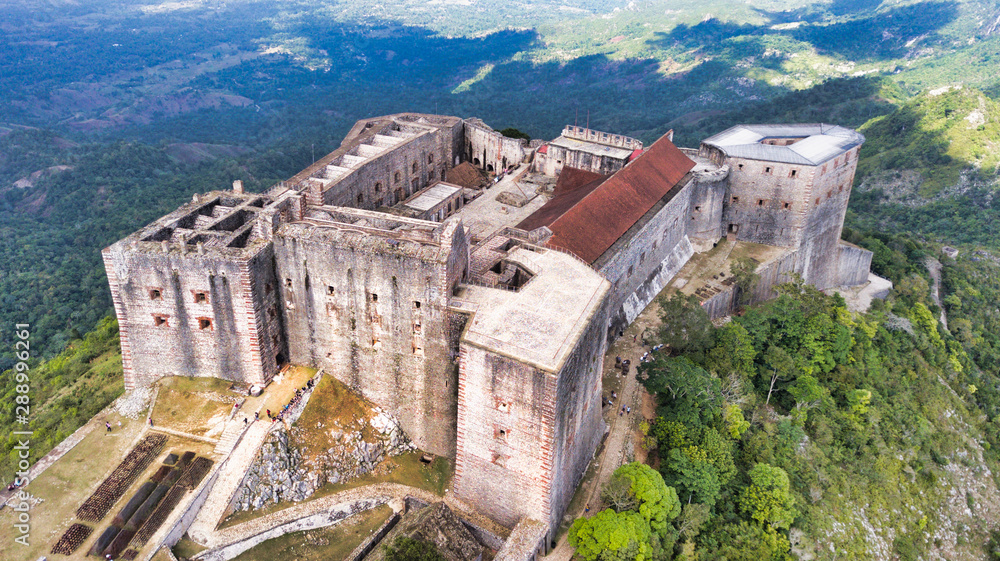
The incident highlights the extreme dangers associated with crowd mismanagement at high-traffic heritage sites. The Citadelle, known for its imposing architecture and historical significance as a symbol of Haitian independence, was crowded with visitors when the fatal surge began.
Casualties and Immediate Impact
The death toll has been consistently reported as at least 30 people. DW.com has confirmed that more than 30 people were killed in the stampede at the historical fort DW.com.
The impact of such an event extends beyond the immediate loss of life, affecting the local community and the tourism sector of the region. The Citadelle is a primary destination for those seeking to understand Haiti’s military and political history, and this tragedy marks one of the deadliest incidents at the site.
Understanding the Risks of Crowd Crushes
Crowd crushes and stampedes often occur when a high density of people is concentrated in a confined space, and a sudden movement or panic triggers a chain reaction. In the case of the Haiti stampede, the unique geography of the historical fort—characterized by narrow passages and steep elevations—likely exacerbated the danger.
When crowd density reaches a critical point, individuals lose the ability to move independently, and the pressure of the crowd can lead to compressive asphyxiation. This phenomenon is often what causes the high number of fatalities in such incidents, rather than the act of running itself.
For those seeking official updates on the situation or safety advisories for traveling to heritage sites in the region, it is recommended to monitor official government travel notices and local administrative announcements.
As the investigation into the cause of the crush continues, the international community and local authorities are expected to review safety protocols at the Citadelle Laferriere to prevent such a catastrophe from recurring. Further details regarding the identities of the victims and the specific trigger of the stampede are awaited from official channels.
We invite our readers to share their thoughts and perspectives on the importance of safety regulations at global heritage sites in the comments section below.