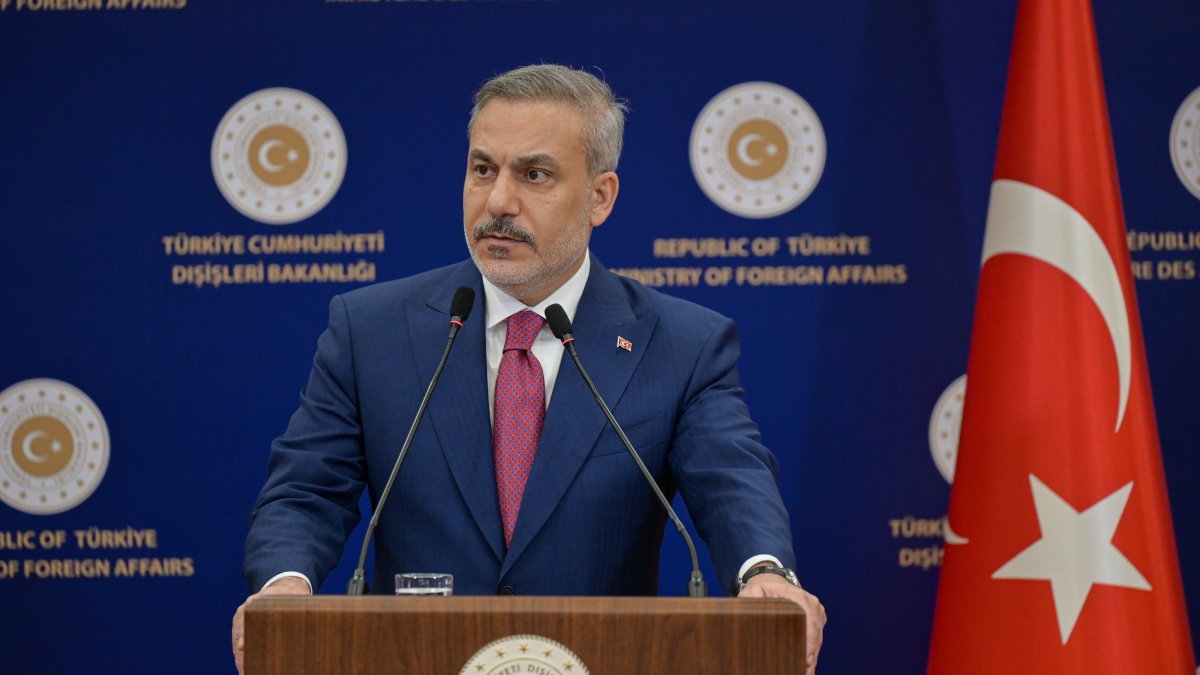
Turkish Foreign Minister Hakan Fidan has expressed cautious optimism regarding the potential for a cease-fire between the United States and Iran, even as simultaneously warning that Israeli actions could jeopardize the diplomatic process. Speaking on Monday, April 13, 2026, Fidan highlighted the “sincerity” displayed by both Washington and Tehran in their pursuit of a cessation of hostilities.
The warning comes amid a period of intense regional instability. Fidan’s remarks suggest that while high-level diplomacy between the U.S. And Iran may be progressing, the volatility of the situation on the ground—specifically driven by Israel—remains a primary obstacle to a lasting peace. This tension follows a series of events that Türkiye has sought to navigate by prioritizing regional containment and the prevention of a wider conflict.
Türkiye’s diplomatic strategy has been characterized by a three-tiered objective: first, to prevent the outbreak of war; second, to contain the spread of existing conflicts; and third, to ensure that Türkiye itself remains outside the direct combat zone. Fidan has previously described the regional trajectory as a “game scripted by Israel,” warning that the Middle East is being drawn step-by-step into a broader confrontation.
Diplomatic Efforts and the Role of the United States
The current diplomatic landscape is marked by a complex interplay between global powers and regional actors. Fidan has emphasized that the United States holds a pivotal role in ongoing negotiations with Iran. According to the Turkish Foreign Minister, if Washington successfully advances these negotiations or reaches a formal agreement, it must be prepared to leverage its influence over Israel to ensure the stability of such an arrangement.
This perspective aligns with earlier statements made by Fidan on March 27, 2026, where he characterized the initial conflict between the U.S., Israel, and Iran as “illegal” and called for increased international pressure on Tel Aviv. He noted that the international community has largely failed to exert sufficient pressure on Israel, which has hindered efforts to stop what he described as an “unjust war.”
The U.S. Government has been actively engaged in these regional discussions. Records indicate that Secretary Rubio held a call with Foreign Minister Fidan on March 4, 2026, to discuss recent developments in Iran and throughout the Middle East, underscoring the ongoing communication channel between Ankara, and Washington.
Regional Risks and the ‘Seed of Discord’
Fidan’s warnings about Israel disrupting the cease-fire process are rooted in his assessment of regional dynamics. He has repeatedly cautioned that the region is being pushed toward a scenario that serves Israeli interests but threatens the stability of neighboring states. This “seed of discord,” as described by Fidan, risks expanding the conflict beyond its current borders, potentially drawing in nations that have attempted to remain neutral.
The Turkish Foreign Minister’s concerns extend to the humanitarian crises in the region, specifically in Gaza. He has argued that the world’s expectation is for the cessation of hostilities as soon as possible to end the negative effects of the war. Fidan’s assertion that the region is being drawn into a scripted conflict suggests a belief that tactical escalations may be used to undermine diplomatic breakthroughs between Iran and the West.
Further highlighting the interconnected nature of these tensions, Fidan recently engaged with other regional partners. Reports indicate that Foreign Minister Fidan and Pakistani counterpart Ishaq Dar discussed the inconclusive nature of Iran-US talks during meetings in Islamabad, reflecting the broader international concern over the fragility of these negotiations.
Key Diplomatic Priorities for Türkiye
- Prevention: Stopping the initial outbreak of large-scale regional war.
- Containment: Limiting the spread of conflict to prevent a total regional collapse.
- Neutrality: Keeping Türkiye out of direct military involvement in the conflict.
- Influence: Urging the U.S. To use its leverage over Israel to maintain cease-fire agreements.
What This Means for Regional Stability
The tension between the “sincerity” of U.S.-Iran talks and the perceived disruptive potential of Israel creates a precarious balance. For a cease-fire to hold, it would require not only an agreement between Washington and Tehran but as well a guarantee that third-party escalations do not trigger a retaliatory cycle. Fidan’s warnings serve as a signal to the international community that diplomatic success in the corridors of power may be undone by military actions on the ground.
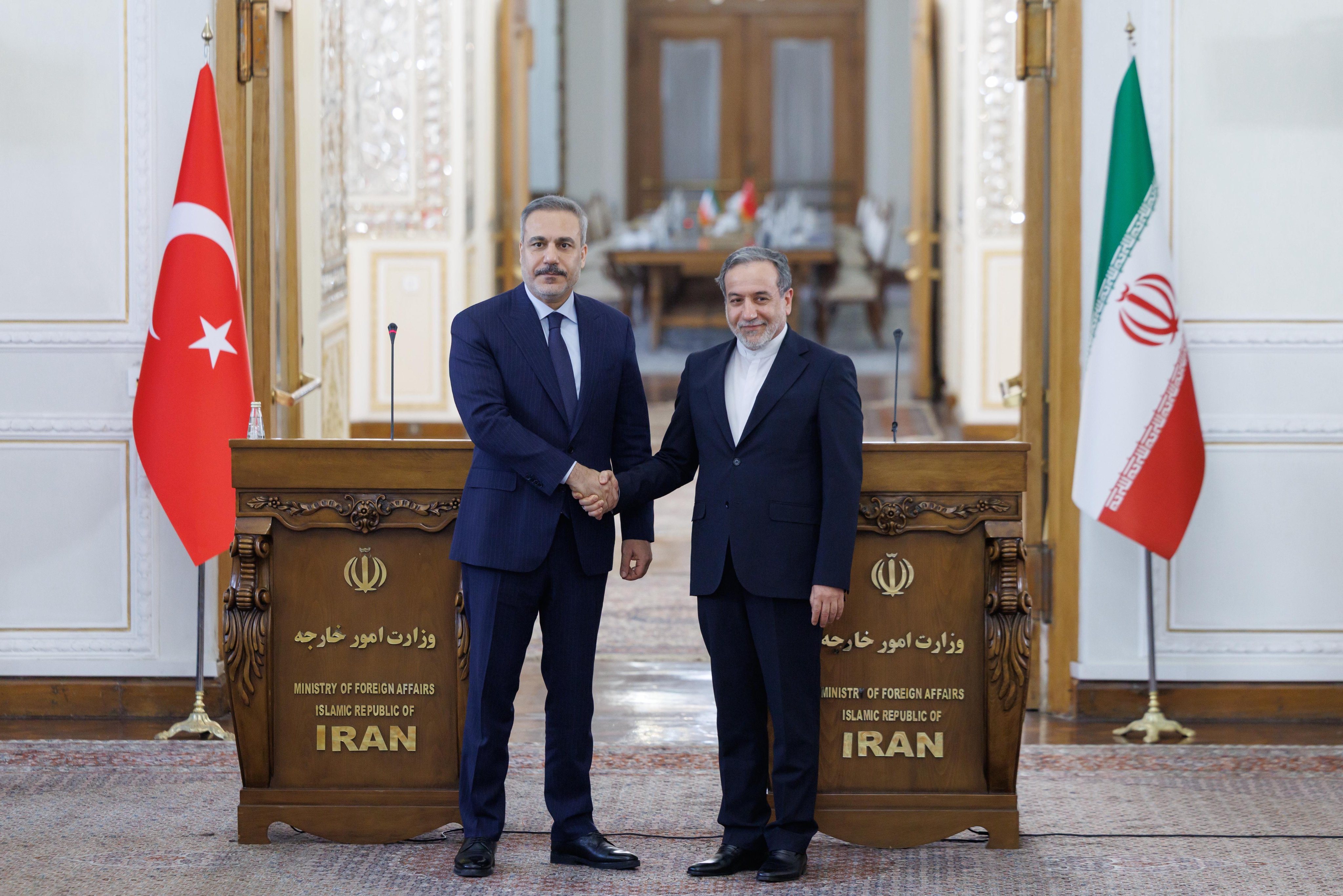
The impact of this instability is felt across the Middle East, where the risk of a “wider conflict” remains high. Türkiye’s position as a mediator is predicated on the belief that genuine intent from both the U.S. And Iran could lead to a resolution, provided that the “game” of escalation is halted.
As the situation evolves, the international community remains focused on whether the United States can effectively balance its strategic partnership with Israel and its diplomatic goals with Iran. Fidan’s remarks suggest that the success of the latter is contingent upon the former.
The next critical checkpoint for regional observers will be the outcome of the ongoing negotiations between the United States and Iran and any subsequent official statements from the Israeli government regarding the proposed cease-fire terms.
World Today Journal encourages readers to share this report and abandon their comments below on the current state of Middle East diplomacy.
Worth a look