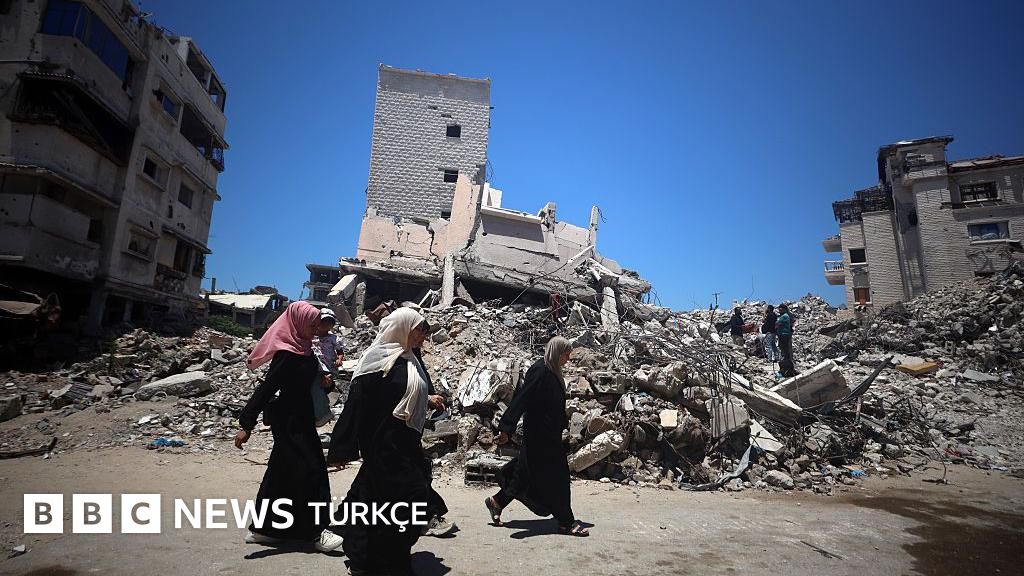
International diplomatic efforts surrounding the conflict in Gaza have entered a critical phase following statements regarding a comprehensive ceasefire framework and phased implementation terms. Global stakeholders are closely monitoring proposals that outline potential pathways for troop withdrawals and disarmament processes as negotiators attempt to bridge persistent gaps between the warring parties.
The diplomatic push comes amid ongoing humanitarian concerns across the region. International organizations and regional governments continue to assess various roadmaps designed to secure a lasting cessation of hostilities, facilitate the entry of aid, and establish verifiable mechanisms for long-term stability.
Ceasefire Frameworks and Phased Implementation Proposals
Recent diplomatic discussions have focused on structured, multi-stage proposals aimed at halting military operations in Gaza. According to reports from regional and international news agencies, framework proposals generally divide the peace process into distinct phases. The initial stages typically emphasize immediate cessations of hostilities, the release of hostages and detainees, and the scaled delivery of humanitarian supplies to affected populations.
Subsequent phases of these proposals concentrate on more complex political and security adjustments. Palestinian and international sources indicate that secondary implementation stages are designed to address the withdrawal of military forces from populated areas and the establishment of transitional security frameworks. These discussions involve delicate negotiations regarding enforcement guarantees, border controls, and the monitoring of compliance by international mediators.
Divergent Positions on Disarmament and Security Guarantees
A central point of contention in the ongoing talks involves the sequencing of security commitments and disarmament provisions. Statements emerging from various delegations highlight contrasting interpretations of how and when demilitarization measures should be implemented. Representatives for Palestinian factions have maintained that security arrangements must be tied strictly to reciprocal actions by opposing forces, asserting that compliance depends on verified adherence to agreed timelines.
Meanwhile, international mediators from partner nations continue shuttle diplomacy to reconcile these positions. Observers note that while broad agreement exists on the necessity of halting hostilities, hammering out the precise modalities of post-conflict governance and security remains a formidable challenge for diplomatic channels.
Next Steps in Regional Diplomacy
Mediating nations, including regional and international actors, have indicated that talks will proceed through confidential working groups aimed at finalizing the operational details of the proposed roadmap. Stakeholders anticipate further diplomatic exchanges as technical committees evaluate enforcement mechanisms and humanitarian access protocols.
Readers seeking verified updates on international diplomatic efforts and official statements are encouraged to follow developments through established global news services and official government briefings. Share your thoughts or join the discussion in the comments below.