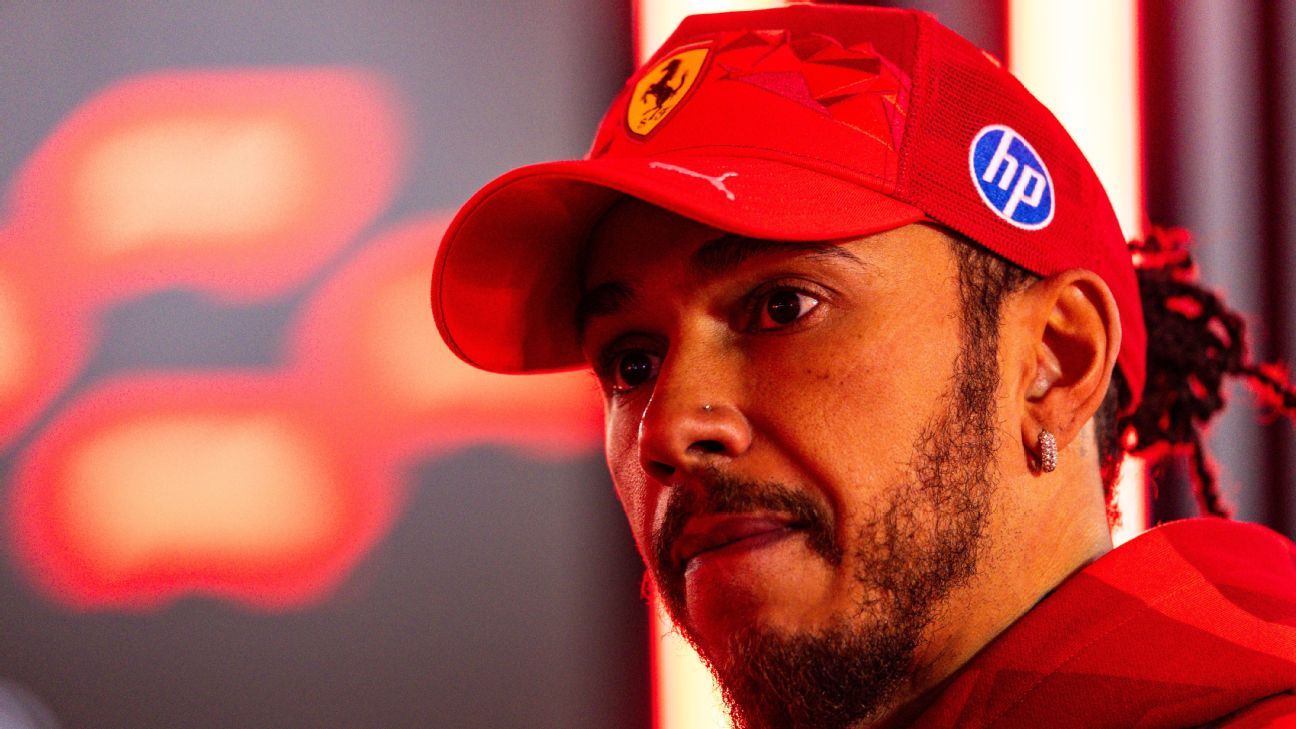
Lewis Hamilton‘s Ferrari Integration: A deep Dive into Performance, Partnership, and Potential
Lewis Hamilton’s move to Ferrari was arguably the biggest story of the Formula 1 offseason. However,his initial performance with the Scuderia hasn’t been the immediate dominance many anticipated. While headlines focused on a qualifying deficit to teammate Charles Leclerc, a closer look reveals a more nuanced situation – and a path toward unlocking Hamilton’s full potential. This article will dissect the challenges, the ongoing adjustments, and what you can expect as Hamilton settles into his new role at Maranello.
The Qualifying Gap: context and Nuance
Early reports highlighted a consistent 0.254-second average qualifying gap between Hamilton and Leclerc. This sparked concerns, especially considering Hamilton’s record-breaking 104 pole positions. However, framing this as a complete failure to adapt overlooks crucial factors.
It’s not about a single “magic bullet” component, but rather a collection of incremental improvements. Ferrari Team Principal Fred Vasseur emphasizes this point,stating it’s often “10 topics where you are three hundredths of a second slower.” Addressing these small deficits, one by one, is the key to closing the gap.
A multifaceted Approach to Advancement
Vasseur believes improvement requires a holistic approach, encompassing driver, team, and car. Here’s a breakdown of the areas under scrutiny:
* Driver-Team Collaboration: Refining the working relationship between Hamilton and his race engineer, Riccardo Adami, is paramount.
* Team Dynamics: Optimizing overall team processes and communication.
* Driver Adaptation: Hamilton fine-tuning his driving style to maximize the performance of the Ferrari SF-24.
This isn’t about assigning blame, but about a collective commitment to optimization. You’ll see Ferrari focusing on marginal gains across the board.
The Impact of Change: Beyond the Driver
Meaningful changes within the team are also contributing factors. Hamilton transitioned from a 20-year partnership with a single brake supplier to a new system this season. These adjustments, while necessary, require time and adaptation.
Vasseur acknowledges the importance of controlling every detail. He stresses that a three-tenths deficit isn’t typically due to one revolutionary component, but rather a cumulative effect of minor inefficiencies.
Building Rapport: The Hamilton-Adami Dynamic
Throughout the season, radio exchanges between Hamilton and Adami occasionally sounded strained. While Hamilton downplayed any issues, these moments likely reflected a team still finding its rhythm.
Establishing a strong rapport is crucial. Vasseur highlights the need for mutual understanding: Ferrari needs to grasp Hamilton’s specific requirements, and Hamilton needs to understand the team’s approach. This is a process that naturally takes time, especially when compared to the established dynamic between Leclerc and his team.
Looking Ahead: What to Expect in 2025
Ferrari isn’t expecting overnight miracles. The team recognizes that significant work remains to restore Maranello to its former glory.
Vasseur’s focus is on continuous improvement and fostering a collaborative environment.You can anticipate a continued emphasis on data analysis, driver feedback, and incremental adjustments.
The true test will come next summer. Only then will we know if these efforts have been enough to propel Ferrari - and Lewis hamilton – back to the front of the grid.
Key Takeaways for F1 Fans:
* Don’t overreact to early performance gaps.
* hamilton’s integration is a complex process.
* Ferrari is prioritizing a holistic approach to improvement.
* The driver-engineer relationship is a critical area of focus.
* Patience is key – the full picture won’t emerge until well into the 2025 season.
This isn’t just about a seven-time World Champion joining a new team. It’s about a legendary driver and a historic team working together to rewrite the future of Formula 1. And that’s a story worth watching closely.
Related reading