
Dr. Helena Fischer • May 13, 2026 • Health
Andes Hantavirus Strain Detected in Bariloche Patient: A Rare but Serious Zoonotic Threat
A patient in Bariloche, Argentina, has tested positive for hantavirus caused by the Andes strain—the same virus responsible for a recent outbreak on a trans-Atlantic cruise ship and linked to a fatal case in New Mexico last year. Health authorities in Río Negro Province have confirmed the diagnosis, marking the first documented case of this strain in the region. While the patient remains stable with signs of clinical improvement, the detection underscores the growing concern over hantavirus transmission beyond traditional high-risk areas.
The Andes strain is particularly notable because it is one of the few hantaviruses known to spread person-to-person, though such transmission is rare and typically limited to close contacts of infected individuals. The World Health Organization (WHO) has previously reported that hantavirus infections in the Americas can lead to hantavirus cardiopulmonary syndrome (HCPS), a severe respiratory illness with a case fatality rate as high as 50% if untreated.
This development arrives as global health officials monitor hantavirus activity with heightened vigilance, following the cruise ship cluster that prompted the WHO to issue a public health alert in early May. While the risk to travelers and the general public remains low, experts emphasize the importance of understanding transmission routes and preventive measures, especially in regions where rodent populations carry the virus.
What Is the Andes Strain of Hantavirus?
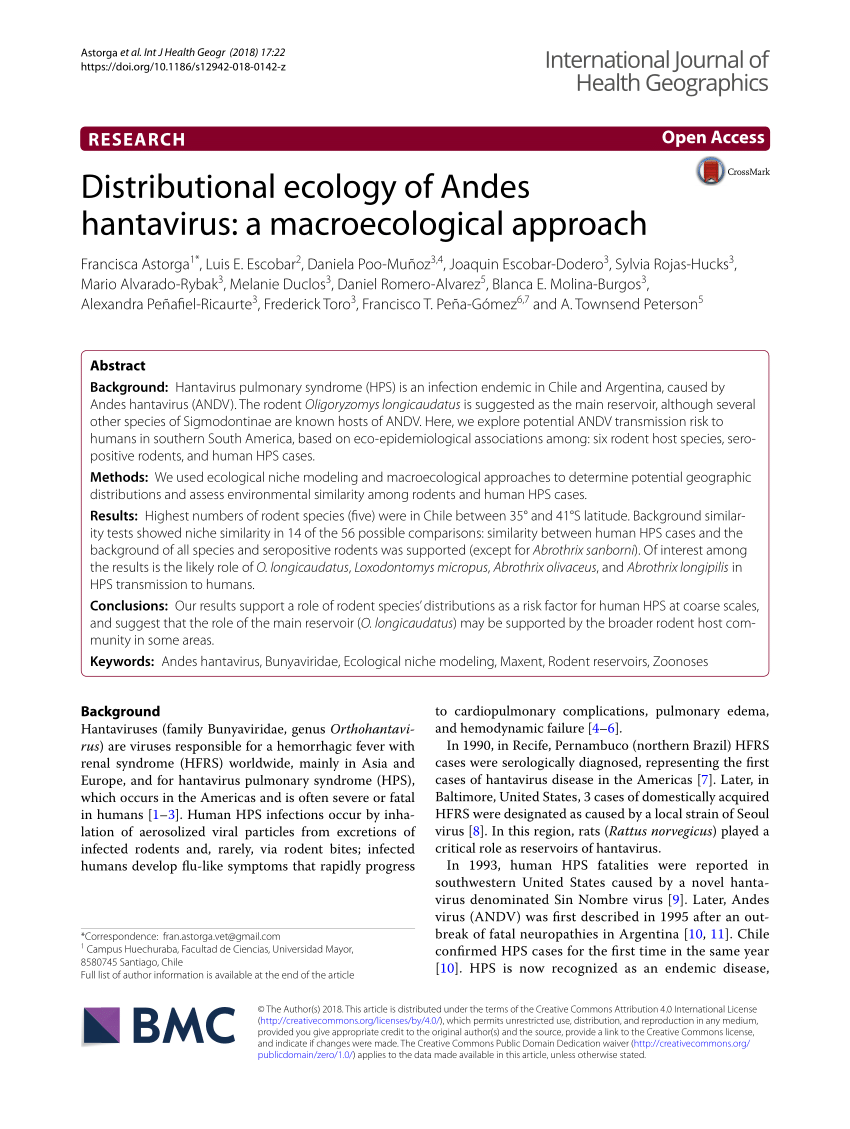
The Andes hantavirus is a zoonotic virus primarily carried by rodents, particularly the long-tailed pygmy rice rat (*Oligoryzomys longicaudatus*) in South America. Unlike most hantaviruses, which are transmitted exclusively through rodent urine, droppings, or saliva, the Andes strain has demonstrated limited human-to-human transmission, though this remains uncommon. The virus causes hantavirus cardiopulmonary syndrome (HCPS), a rapidly progressive illness affecting the lungs and heart.
Symptoms of HCPS typically begin 1–8 weeks after exposure and may include:
- Fatigue
- Fever
- Muscle aches (particularly in large muscle groups)
- Headaches and dizziness
- Abdominal pain, nausea, or vomiting
In later stages, patients may develop severe respiratory distress, requiring intensive medical care. Early supportive treatment—such as mechanical ventilation and close monitoring—can significantly improve survival rates.
Bariloche Case: Key Details and Context
Health officials in Río Negro Province have not yet released the patient’s identity or specific details about their exposure. However, Bariloche—a popular tourist destination nestled in the Andes Mountains—has seen increased rodent activity in recent years, raising concerns about hantavirus transmission. Local authorities have not reported a surge in cases, but the detection of the Andes strain is considered unusual for the region.
According to the U.S. Centers for Disease Control and Prevention (CDC), hantavirus cases in Argentina are most commonly associated with the Andes virus and Bermejo virus, with the former being the only strain confirmed to spread person-to-person. The CDC notes that while cases are rare, they can occur in travelers visiting rural or forested areas where rodents are prevalent.
Unconfirmed reports suggest the patient may have had recent contact with rodents, but without official confirmation, these details remain speculative. The patient’s condition is described as stable, with medical teams reporting signs of clinical improvement. However, hantavirus progression can be unpredictable, and authorities are advising caution.
Why This Case Matters: Global and Local Implications
The Bariloche case is significant for several reasons:
- Geographic Expansion: While hantavirus is endemic in parts of South America, the Andes strain is not typically reported in Patagonia. This detection may indicate broader circulation of the virus than previously recognized.
- Tourism Risks: Bariloche is a major tourist hub, attracting visitors from around the world. Health officials are urging travelers to take precautions, particularly in rural or outdoor settings.
- Person-to-Person Transmission: The Andes strain’s ability to spread between humans—though rare—adds a layer of complexity to outbreak response. Close contacts of the patient are being monitored.
- Public Health Vigilance: The recent cruise ship outbreak and this case highlight the need for heightened surveillance, especially in settings where large groups gather.
Dr. Jorge Salinas, medical director of infection prevention at Stanford Health Care, previously told World Today Journal that while hantavirus poses minimal risk for most travelers, “the key is awareness and prevention.” He emphasized that the virus is not airborne and does not spread like influenza, but rather through direct contact with infected rodents or their excretions.
How Hantavirus Spreads—and How to Protect Yourself
Hantavirus transmission occurs primarily through:
- Inhaling aerosolized rodent urine, droppings, or saliva (e.g., when cleaning rodent-infested areas)
- Direct contact with rodents or their nesting materials
- Rarely: Bites or scratches from infected rodents
- Very rarely: Person-to-person transmission (primarily with the Andes strain)
To reduce risk, health agencies recommend:
- Sealing homes and properties: Eliminate rodent entry points and use traps or bait stations in outdoor areas.
- Avoiding rodent habitats: Do not touch or disturb rodents, their nests, or their droppings. If you must enter an area with rodent activity, wear gloves and a face mask.
- Proper cleaning: If rodent contamination is suspected, use a bleach solution (1 part bleach to 10 parts water) to disinfect surfaces. Do not sweep or vacuum, as this can aerosolize particles.
- Travel precautions: In rural or forested areas, avoid sleeping on the ground or in poorly ventilated structures. Use mosquito nets if necessary.
The CDC and WHO stress that there is no vaccine or specific antiviral treatment for hantavirus. Early medical intervention is critical, which is why recognizing symptoms and seeking prompt care is essential.
What Happens Next: Monitoring and Updates
Health authorities in Argentina are expected to provide further updates as the patient’s condition evolves. The Ministry of Health in Río Negro Province has not issued a formal public advisory, but local media reports indicate that contact tracing is underway for individuals who may have had close exposure to the patient.

For travelers planning trips to Argentina or other hantavirus-endemic regions, the following resources offer guidance:
- CDC Travel Health Notice on Hantavirus
- WHO Hantavirus Outbreak Updates
- Argentine Tourism Safety Advisories
The next confirmed checkpoint for updates will likely be a press briefing from the Río Negro Ministry of Health, scheduled for May 15, 2026, pending official confirmation. In the meantime, the WHO continues to monitor hantavirus activity globally and will issue further guidance if transmission patterns change.
Key Takeaways
- The Andes strain of hantavirus has been confirmed in a patient hospitalized in Bariloche, Argentina, marking a rare detection in the region.
- The patient remains stable with signs of clinical improvement, but hantavirus can progress rapidly, requiring intensive care.
- The Andes strain is the only hantavirus known to spread person-to-person, though such transmission is limited to close contacts.
- Prevention focuses on reducing rodent exposure, proper cleaning of contaminated areas, and early medical intervention if symptoms arise.
- Travelers to Argentina should take standard precautions, especially in rural or outdoor settings.
Have you or someone you know experienced symptoms after potential rodent exposure? Share your concerns in the comments below, and stay informed with real-time updates from World Today Journal. For emergency medical advice, contact local health authorities or seek care immediately if symptoms develop.