
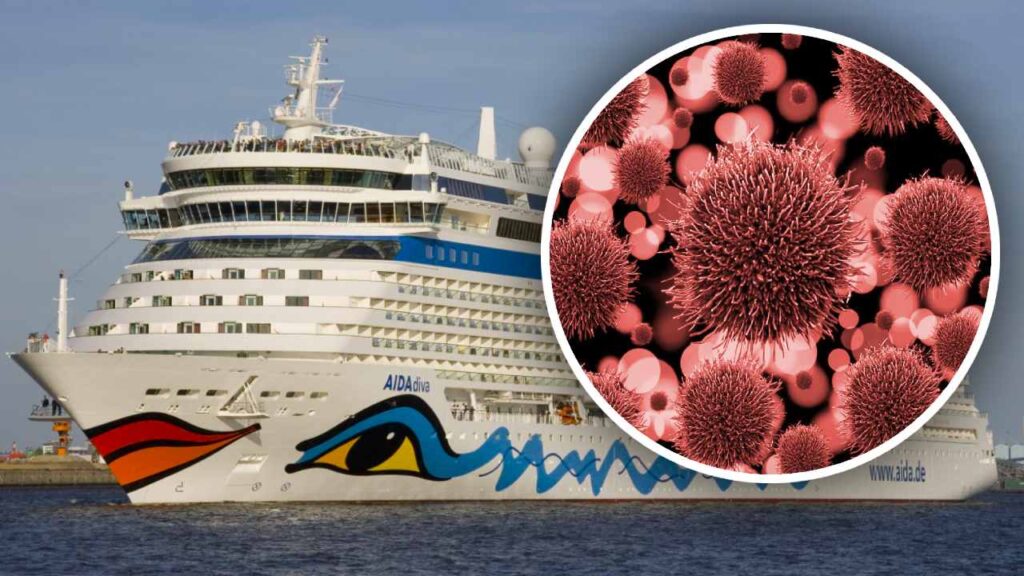
A Canadian cruise passenger has tested presumptive positive for hantavirus following a concerning outbreak on a recent voyage. The development comes as health officials monitor a growing number of infections linked to the vessel, which has seen a significant rise in both confirmed and suspected cases.
According to recent reports, the outbreak on the ship has reached a total of 12 cases, with nine of those having been officially confirmed. The situation has taken a tragic turn, as authorities have confirmed that a Dutch couple among those affected has died. The news of a Canadian passenger’s presumptive positive result adds a new layer of concern to the ongoing health investigation surrounding the cruise line’s operations.
As international travel continues to expand, this hantavirus cruise ship outbreak serves as a stark reminder of the persistent risks posed by zoonotic diseases. While hantaviruses are typically associated with rural or wilderness environments, their presence in highly populated, enclosed environments like cruise ships presents unique challenges for public health monitoring, and containment.
Details of the Vessel Outbreak
The scale of the infection on the ship has drawn immediate attention from health authorities. Of the 12 reported cases, the distinction between “presumptive positive” and “confirmed” remains a critical factor in the ongoing epidemiological investigation. A presumptive positive result indicates that initial testing suggests the presence of the virus, though final clinical confirmation is often required to finalize the data.
The most significant development in the mortality report is the death of a Dutch couple, highlighting the potential severity of the virus. While the specific circumstances of the transmission on the ship are still being investigated, the presence of multiple cases suggests a localized cluster that is being closely managed by medical professionals.
Health officials are currently working to determine the exact source of the exposure. In the context of a cruise ship, investigators typically look at sanitation protocols, food storage, and potential rodent ingress, as hantaviruses are fundamentally linked to contact with infected animal reservoirs.
Understanding Hantavirus: Transmission and Symptoms
To understand the gravity of this outbreak, it is essential to recognize what hantavirus is and how it interacts with human hosts. Hantaviruses are a family of viruses that are primarily zoonotic, meaning they are transmitted from animals to humans. The primary vectors for these viruses are rodents, such as rats and mice.

According to the Centers for Disease Control and Prevention (CDC), people typically contract the virus through contact with infected rodents. This exposure most commonly occurs through:
- Direct contact with rodent urine, droppings, or saliva.
- Inhalation of aerosolized particles from contaminated droppings or urine (e.g., when sweeping or cleaning an infested area).
- Rare instances of infection through a rodent bite or scratch.
The clinical presentation of the disease can vary significantly depending on the specific strain of the virus and the geographical location of the infection. In the Americas, the most common manifestation is hantavirus pulmonary syndrome (HPS). What we have is a severe respiratory illness that can progress rapidly.
Early symptoms of HPS often appear one to eight weeks after exposure and can be easily mistaken for other common illnesses. Initial signs include:
- Fatigue
- Fever
- Muscle aches, particularly in large muscle groups such as the thighs, hips, back, and shoulders
Approximately half of all patients with HPS also experience secondary symptoms such as headaches, dizziness, chills, and abdominal issues, including nausea, vomiting, diarrhea, and abdominal pain. As the illness progresses—typically four to ten days after the initial phase—patients may develop more critical symptoms, including coughing and significant shortness of breath.
Regional Variations and Disease Severity
The global landscape of hantavirus infection is divided by the types of syndromes the viruses cause. While the current outbreak involves a Canadian passenger, the medical implications depend heavily on the viral strain involved. The World Health Organization (WHO) notes that hantaviruses cause different clinical syndromes depending on the region.

In the Americas, the infection often leads to hantavirus cardiopulmonary syndrome (HCPS), a rapidly progressive condition that affects both the lungs and the heart. The severity of this condition is notable, with a case fatality rate that can reach up to 50%.
Conversely, in Europe and Asia, hantaviruses are more commonly associated with hemorrhagic fever with renal syndrome (HFRS). This group of illnesses primarily affects the kidneys and the blood vessels, presenting a different set of clinical challenges than the respiratory-focused syndromes found in the Western Hemisphere.
One critical distinction regarding transmission is that most hantaviruses do not spread from person to person. However, the Andes virus, which is found in South America, is a documented exception. Limited human-to-human transmission has been recorded among those in close contact with an infected individual, though this is not the standard behavior for the entire viral family.
Key Takeaways: Hantavirus Outbreak Summary
- Current Case Count: There are 12 total cases reported on the cruise ship, with 9 cases officially confirmed.
- New Developments: A Canadian passenger has received a presumptive positive test result.
- Fatalities: A Dutch couple has died as a result of the outbreak.
- Transmission Method: The virus is primarily spread via contact with rodent urine, droppings, or saliva.
- Clinical Risk: In the Americas, the virus can cause hantavirus cardiopulmonary syndrome (HCPS), which has a fatality rate of up to 50%.
Frequently Asked Questions
How can I prevent hantavirus infection?
Prevention relies heavily on reducing contact between humans and infected rodents. This includes maintaining clean environments, sealing entry points in homes or vessels to prevent rodent access, and using protective equipment when cleaning areas where rodent droppings may be present.
Is hantavirus highly contagious between people?
For most strains, no. Hantavirus is generally considered a zoonotic disease spread from animals to humans. The only known exception is the Andes virus in South America, which has shown limited person-to-person transmission among close contacts.
What should I do if I suspect I have been exposed?
If you have had contact with rodents and begin to experience fever, muscle aches, or respiratory distress, you should seek medical attention immediately. Early supportive medical care is vital for improving survival rates, particularly for those developing respiratory or cardiac complications.
As health authorities continue to investigate the cruise ship outbreak, the focus remains on confirming the remaining presumptive cases and identifying the exact source of the rodent exposure. We will continue to monitor official updates from maritime health agencies and public health departments for further information regarding the status of the Canadian passenger and the total number of confirmed cases.
What are your thoughts on the increasing frequency of zoonotic outbreaks in travel hubs? Share your views in the comments below and share this article to keep your network informed.
Worth a look