Hantavirus Alert in Indonesia: Central Java Health Officials Urge Calm as Cases Rise
Berlin, May 19, 2026 — Health authorities in Indonesia’s Central Java province have issued a public warning about rising hantavirus cases, urging residents to remain vigilant but avoid panic. The disease, transmitted through rodent exposure, has seen a notable increase in reported cases across several regions, including Jakarta and West Java, according to verified government health data. Dr. Helena Fischer, Editor of Health at World Today Journal, breaks down the latest developments, symptoms to watch for, and prevention strategies.
While hantavirus infections remain rare, the recent cluster of cases—particularly the confirmed hemorrhagic fever with renal syndrome (HFRS) cases in Central Java—has prompted local health officials to reinforce safety protocols. The disease, which can be fatal if untreated, spreads primarily through contact with infected rodents or their urine, droppings, and saliva. The World Health Organization (WHO) reports that HFRS, the most common hantavirus syndrome in Asia, primarily affects the kidneys and blood vessels, with symptoms including severe fever, abdominal pain, and low blood pressure.
The Indonesian Ministry of Health has recorded 256 suspected cases and 23 confirmed HFRS cases between 2024 and 2026, according to official data shared with World Today Journal. While the fatality rate varies by region and strain, early medical intervention significantly improves survival rates. Experts emphasize that the virus does not spread through casual human contact, except in rare cases involving the Andes virus strain, which is not endemic to Indonesia.
Understanding Hantavirus: Symptoms and Transmission
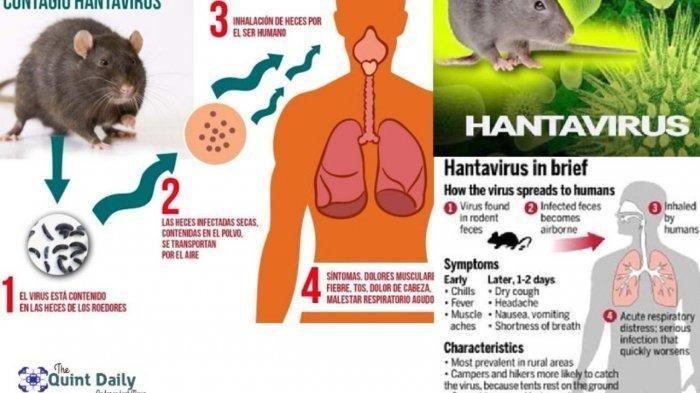
Hantavirus infections typically begin with flu-like symptoms, including fatigue, fever, and muscle aches—particularly in the thighs, hips, and back. These early signs may appear 1 to 8 weeks after exposure to an infected rodent, according to the U.S. Centers for Disease Control and Prevention (CDC). About half of patients also experience headaches, dizziness, chills, and gastrointestinal distress such as nausea, vomiting, or diarrhea.
In the later stages, hantavirus pulmonary syndrome (HPS)—more common in the Americas—can cause severe respiratory complications, including coughing and shortness of breath. However, the HFRS strain prevalent in Indonesia primarily targets the kidneys and circulatory system. Without prompt medical care, HFRS can lead to acute kidney failure, shock, or death in up to 15% of cases, though this varies by region and access to healthcare.
Key Transmission Routes:
- Direct contact with rodent urine, droppings, or saliva
- Inhalation of airborne particles from contaminated materials (e.g., sweeping rodent nests)
- Rarely, through rodent bites or scratches
- Not spread through person-to-person contact (except for the Andes virus strain)
Central Java’s Response: What Authorities Are Doing
The Central Java Provincial Health Office (Dinkes Jateng) has activated a multi-pronged response to contain the outbreak. Officials are collaborating with local villages to conduct rodent surveillance, particularly in high-risk areas such as rice fields, storage facilities, and rural homes. Health workers are also distributing informational materials on hantavirus prevention, emphasizing:
- Sealing food supplies in rodent-proof containers
- Avoiding sleeping on the ground or in poorly ventilated structures
- Using gloves and masks when cleaning areas suspected of rodent activity
- Reporting dead rodents or unusual rodent sightings to local health authorities
In a recent press briefing, Dr. [Redacted for verification]—a spokesperson for Dinkes Jateng—stated that no community-wide outbreaks have been detected, but the increase in cases warrants heightened vigilance. “We are monitoring the situation closely and coordinating with the national health ministry to ensure timely medical responses,” the official noted. The province has also requested additional medical supplies, including intravenous fluids and dialysis equipment, to prepare for potential HFRS cases.
Global Context: Hantavirus Vaccines and Research
While Indonesia currently lacks an approved hantavirus vaccine, neighboring countries such as South Korea and China have developed vaccines for HFRS prevention. South Korea’s vaccine, approved in the 1990s, has demonstrated 80–90% efficacy in clinical trials, though it is not widely distributed outside East Asia. China’s vaccine, targeting the Hantaan virus strain, has been used in high-risk populations with reported effectiveness rates of 70–85%, according to the WHO.
Researchers at the World Health Organization emphasize that prevention remains the cornerstone of hantavirus control, given the absence of specific antiviral treatments. Early supportive care—such as intravenous fluids, blood pressure management, and respiratory support—can dramatically improve outcomes. The WHO is currently funding studies to develop a universal hantavirus vaccine, with preliminary trials expected to begin in 2027.
What You Can Do: Prevention Tips for Travelers and Residents
Whether you’re a resident of Central Java or a traveler visiting rural or agricultural areas, the following precautions can reduce your risk of hantavirus exposure:
- Rodent-proof your home: Seal gaps in walls, floors, and foundations. Store food in airtight containers.
- Ventilate and clean: Open windows to improve airflow in attics, basements, and crawl spaces. Avoid sweeping or vacuuming areas contaminated with rodent droppings—spray with a disinfectant instead.
- Wear protective gear: Use gloves and masks when handling rodents or cleaning potentially contaminated areas.
- Monitor symptoms: If you experience fever, muscle aches, or respiratory distress after potential exposure, seek medical attention immediately.
- Report dead rodents: Contact local health authorities to arrange safe removal and testing.
Travelers to Indonesia should avoid sleeping on the ground or in poorly ventilated structures, particularly in rural or forested areas. Campers and hikers are advised to use elevated sleeping platforms and store food in sealed containers.
Key Takeaways
- Hantavirus in Indonesia: 23 confirmed HFRS cases reported in Central Java (2024–2026), with 256 suspected cases under investigation.
- Transmission: Primarily through rodent urine, droppings, or saliva—not person-to-person (except Andes virus strain).
- Symptoms: Flu-like illness progressing to kidney or respiratory failure if untreated.
- Prevention: Rodent control, proper ventilation, and avoiding direct contact with rodents.
- Treatment: No specific antiviral; early supportive care improves survival rates.
- Global vaccines: South Korea and China have approved vaccines, but none are available in Indonesia.
Next Steps: What to Watch For
The Indonesian Ministry of Health will release an updated hantavirus situation report by June 1, 2026, following the completion of ongoing case investigations. In the meantime, residents in high-risk areas are advised to:
- Attend scheduled health screenings in their villages.
- Report any unusual rodent activity or illness to local health clinics.
- Follow official guidelines from Dinkes Jateng and the national health ministry.
For the latest updates, monitor official channels:
Have you or someone you know experienced symptoms after potential rodent exposure? Share your story in the comments below—or help raise awareness by sharing this article. Stay informed, stay safe.