NTSB Investigates Critical Component Failure Following Fatal Kentucky Cargo Plane Crash
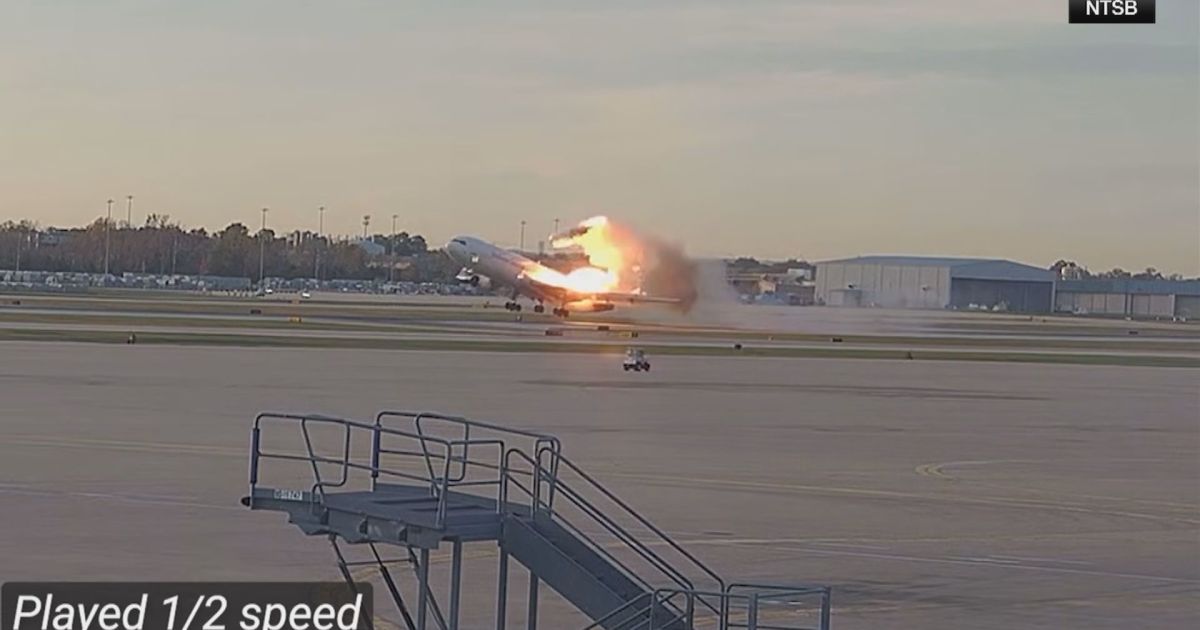
New footage has emerged providing a harrowing look at the moments leading up to a fatal cargo aircraft accident in Kentucky, as investigators focus on a potentially catastrophic component failure. The video, which has become a focal point for aviation safety experts, captures the exact moment a massive engine appears to detach from the aircraft before a subsequent explosion occurs.
The incident, which resulted in the deaths of seven people, has prompted an intensive investigation by the National Transportation Safety Board (NTSB). As the agency moves through its formal hearing process, the central question remains: what caused a fundamental structural component to fail mid-flight, leading to the loss of the engine and the eventual destruction of the aircraft?
This investigation is not merely a localized inquiry into a single crash; it carries significant implications for the global cargo aviation industry and the rigorous maintenance protocols that govern heavy transport aircraft. For a sector that serves as the backbone of international logistics, the possibility of systemic structural fatigue or manufacturing defects in critical engine components is a matter of extreme concern.
The Visual Evidence: Engine Detachment and Explosion
The footage currently being analyzed by investigators offers a rare and devastating perspective on the mechanical failure. In the video, the cargo plane is seen maintaining flight before a sudden, violent separation occurs. The engine is seen breaking away from its mountings, followed almost immediately by a massive explosion that consumes the aircraft.

Aviation analysts note that the speed at which the engine detached and the subsequent explosive force suggest a catastrophic failure rather than a gradual mechanical degradation. Such “uncontained” failures—where engine components break through the protective casing—are among the most feared scenarios in aeronautical engineering due to the immediate loss of thrust and the high probability of structural damage to the airframe or fuel systems.
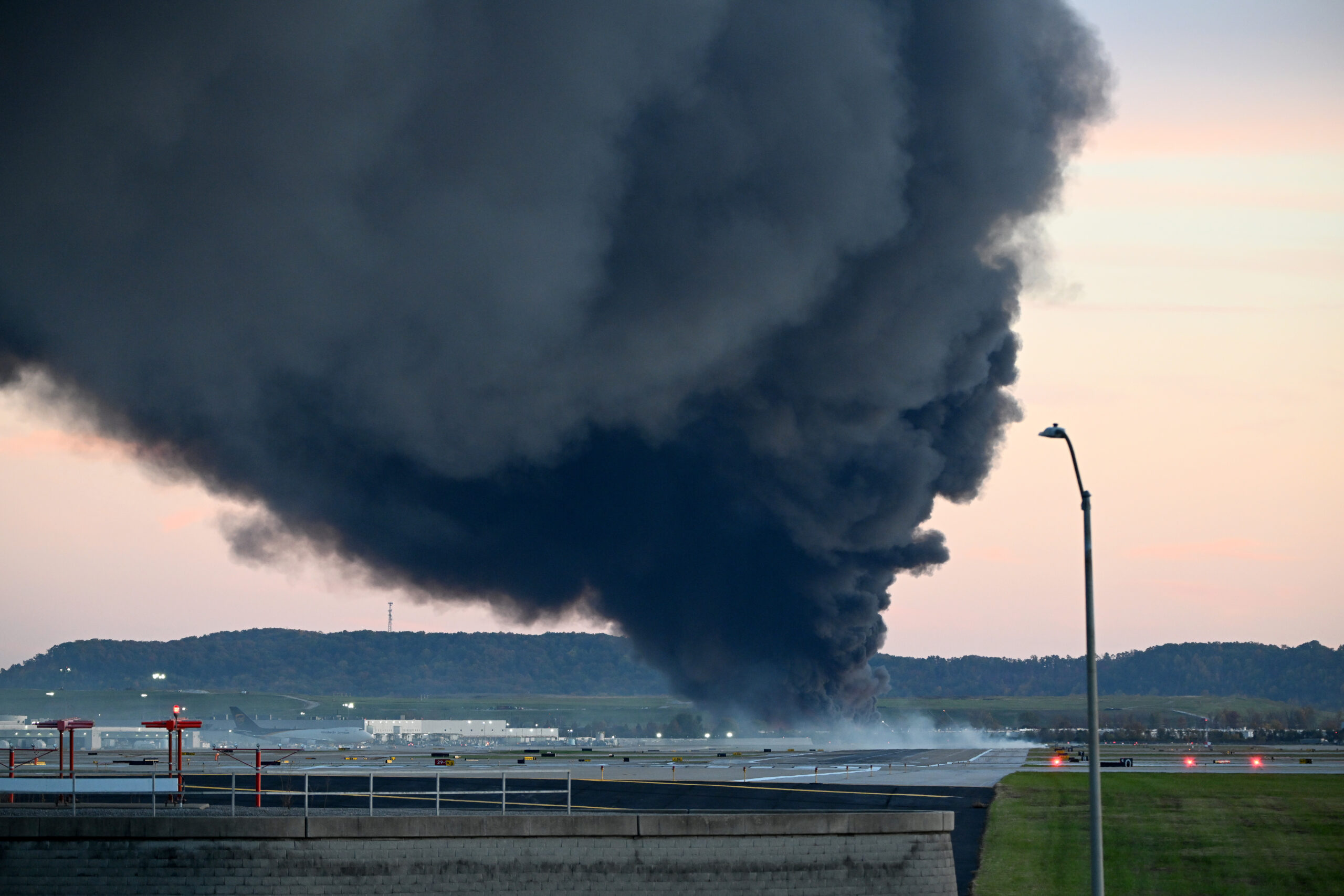
The Kentucky crash, which claimed seven lives, has left investigators working to reconstruct the final seconds of the flight through a combination of this video evidence, flight data recorders, and wreckage analysis. The visual confirmation of the engine separation provides a critical timestamp for the NTSB to correlate with the aircraft’s telemetry data.
NTSB Hearing: The Search for a Cracked Component
During recent investigative hearings, the NTSB has turned its attention to a specific, “fundamental piece” of the engine assembly that appears to have suffered significant cracking. This component is believed to be a primary link in the engine’s structural integrity or its ability to withstand the intense thermal and mechanical stresses of flight.

The presence of cracks in such a vital part suggests several possible failure modes:
- Metal Fatigue: Repeated stress cycles over the lifespan of the engine could have led to microscopic cracks that eventually reached a critical size.
- Manufacturing Defects: An inherent flaw in the material or the casting process could have compromised the component from its inception.
- Improper Maintenance: Failure to detect or address existing stress fractures during routine inspections could have allowed the damage to propagate.
- Operational Overstress: Extreme environmental conditions or flight maneuvers may have exceeded the design limits of the component.
The NTSB’s ability to determine which of these factors played a role will depend on advanced metallurgical analysis. Investigators are currently examining the fracture surfaces of the cracked piece to identify “striations”—microscopic lines that can indicate how fast a crack grew and whether the failure was sudden or gradual.
Implications for Global Cargo Aviation Safety
The cargo aviation sector operates under a different set of risk profiles than commercial passenger airlines, often involving older airframes and high-frequency, heavy-load cycles. A failure of this magnitude in a cargo operation underscores the necessity of stringent inspection regimes for aging fleets.
If the NTSB determines that the cracked component was a result of a widespread manufacturing issue or a flaw in current inspection standards, the fallout could be widespread. This could lead to:
- Emergency Airworthiness Directives (ADs): The Federal Aviation Administration (FAA) could mandate immediate inspections or replacements of similar components across all operating fleets.
- Revised Maintenance Schedules: The interval between major engine overhauls and structural inspections might be shortened to mitigate the risk of undetected fatigue.
- Supply Chain Scrutiny: Increased oversight of the manufacturers and third-party providers responsible for producing and maintaining critical engine parts.
For the global logistics industry, which relies on the predictable and safe movement of goods, any disruption caused by new safety mandates is a significant economic consideration. However, the human cost of the Kentucky accident ensures that safety remains the absolute priority for regulators and operators alike.
Key Takeaways: The Kentucky Cargo Crash Investigation
| Detail | Information |
|---|---|
| Location | Kentucky, USA |
| Fatalities | 7 confirmed deaths |
| Primary Agency | National Transportation Safety Board (NTSB) |
| Core Evidence | Video of engine detachment and explosion |
| Technical Focus | Cracked fundamental component in the engine assembly |
As the investigation continues, the focus remains on the intersection of mechanical reliability and human oversight. The NTSB’s findings will ultimately dictate whether this was an isolated mechanical failure or a symptom of a broader issue within the aviation supply chain or maintenance protocols.
The next major checkpoint in this investigation will be the release of the NTSB’s preliminary report, which will provide more detailed technical data regarding the component failure and the flight’s final moments. We will continue to monitor official filings and hearing updates as they become available.
What are your thoughts on the current state of cargo aviation safety? Do you believe current inspection protocols are sufficient for aging fleets? Share your views in the comments below and share this article to keep the conversation going.
Worth a look