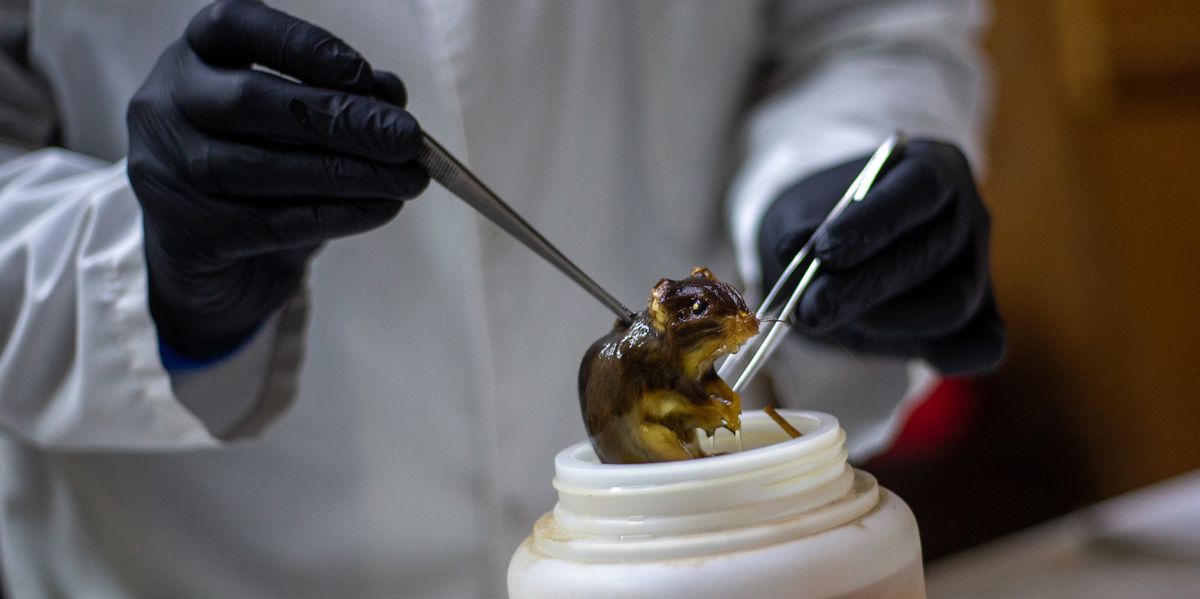
As we monitor global infectious disease trends, public health authorities in Argentina have recently intensified their efforts to track potential rodent vectors associated with hantavirus. This proactive stance reflects a broader, ongoing challenge in zoonotic disease management, where environmental changes and human-rodent contact patterns intersect to create risks for public health. As a physician, I have long observed that understanding the ecological reservoirs of such viruses is the cornerstone of effective prevention and containment strategies.
Hantaviruses, which belong to the family Hantaviridae, are naturally occurring viruses primarily carried by rodents. While these animals often remain asymptomatic, they can shed the virus through their urine, droppings and saliva, posing a transmission risk to humans who come into close contact with them or their environments. According to the World Health Organization, these zoonotic transmissions are a significant concern, particularly because certain syndromes associated with the virus, such as Hantavirus Cardiopulmonary Syndrome (HCPS) in the Americas, carry high case fatality rates.
Understanding Hantavirus Transmission and Ecology
The ecological relationship between rodent populations and hantavirus is complex. Each type of hantavirus is typically linked to a specific rodent reservoir species. In the United States, for instance, the deer mouse is a common carrier for the virus that causes Hantavirus Pulmonary Syndrome (HPS). Globally, the distribution of these viruses varies, with different strains causing either HPS in the Western Hemisphere or Hemorrhagic Fever with Renal Syndrome (HFRS) in parts of Europe and Asia, as noted by the Centers for Disease Control and Prevention.

Prevention relies heavily on minimizing human exposure to these rodent reservoirs. In clinical practice, we emphasize that the most effective way to protect oneself is to limit contact with rodents and their nesting materials. Because there is currently no specific cure for hantavirus-related illnesses, medical management is primarily supportive, focusing on the careful monitoring and treatment of respiratory, cardiac, or kidney complications. Early detection remains a critical factor in improving survival outcomes for patients who present with symptoms such as fever, muscle aches, and respiratory distress.
Public Health Surveillance and Environmental Factors
The decision by authorities to expand research into potential rodent vectors in specific provinces signifies a commitment to robust epidemiological surveillance. In regions where these viruses are endemic, monitoring the movement and health of local rodent populations is essential for predicting potential clusters of human infection. Environmental changes, including shifts in climate and land use, can influence rodent population density and, the frequency of human interaction with these animals.

While the risk of human-to-human transmission is extremely rare—documented primarily with the Andes virus in South America—the primary mode of transmission remains environmental contact. The expanded research efforts serve as an early-warning system. By identifying the prevalence of the virus within local rodent populations, health departments can issue targeted guidance to residents, helping to reduce the likelihood of accidental exposure in homes, workplaces, and recreational areas.
Key Takeaways for Public Awareness
- Zoonotic Risk: Hantaviruses are transmitted primarily through contact with infected rodents or their excreta.
- Clinical Vigilance: Symptoms often manifest 1 to 8 weeks after exposure, starting with fatigue, fever, and muscle aches, before progressing to respiratory or renal issues.
- Prevention is Paramount: Reducing rodent access to living spaces is the most effective strategy for preventing infection.
- Supportive Care: Early medical intervention is crucial, as treatment focuses on managing systemic complications.
For those living in or traveling to regions where hantavirus is known to circulate, This proves essential to stay informed through official local health department channels. Following public health advisories regarding the cleaning of enclosed spaces that may have been infested by rodents—such as sheds, garages, or cabins—remains a vital step in personal health protection. If you suspect you have been exposed to rodent droppings or are experiencing unexplained respiratory symptoms, seek medical consultation promptly.

As we continue to observe these developments, I encourage our readers to stay engaged with local health bulletins. The intersection of environmental science and public health is evolving, and staying informed is the best defense we have. Please share your thoughts or questions in the comments section below, and subscribe to our newsletter for the latest updates on global health initiatives.