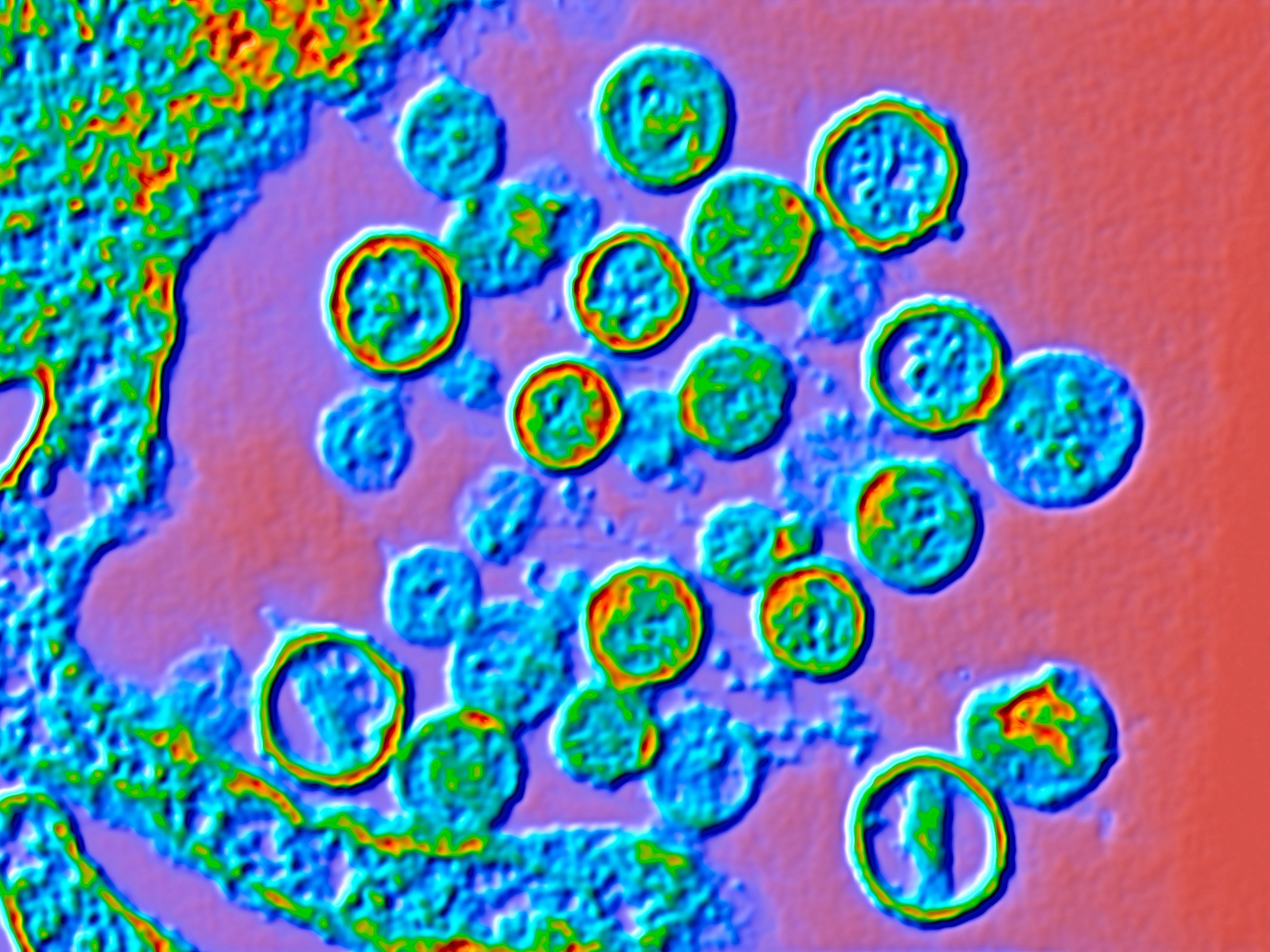
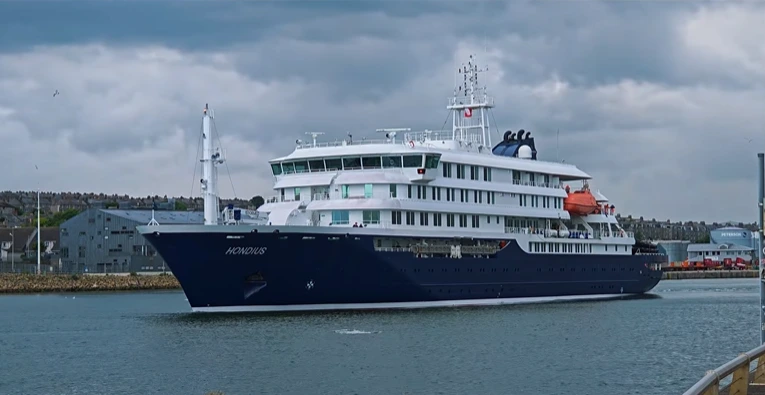
International health authorities are engaged in a coordinated effort to contain a hantavirus outbreak on the M/V Hondius cruise ship, focusing on a rare strain capable of spreading between humans. The situation has prompted a global monitoring effort as passengers from multiple countries disembark and return to their home nations.
The hantavirus outbreak on the M/V Hondius is particularly concerning to epidemiologists because it involves the Andes virus. While most hantaviruses are transmitted from rodents to humans, the Andes virus is the only known type in its family that can spread from person to person, typically among those in close contact with an infected individual.
As of May 8, 2026, the World Health Organization reported that We find eight total cases linked to the cluster: five individuals have been confirmed to have the virus, while three others are suspected of contracting it. Three people have died in connection with the outbreak, according to reports from USA TODAY.
Public health officials believe the chain of infection began when a married couple of Dutch nationals were infected while participating in wildlife expeditions off the cruise ship. Once the virus entered the ship’s environment, the potential for human-to-human transmission created a more complex containment challenge than typical rodent-borne outbreaks.
The Unique Threat of the Andes Virus
To understand why this outbreak is being monitored so closely, it is necessary to distinguish the Andes virus from other hantaviruses. According to the Centers for Disease Control and Prevention (CDC), hantaviruses are generally spread by rodents through contact with urine, droppings and saliva, or occasionally through bites and scratches.
Most hantaviruses cause one of two primary syndromes: Hantavirus Pulmonary Syndrome (HPS), common in the Western Hemisphere and often spread by deer mice, or Hemorrhagic Fever with Renal Syndrome (HFRS), which is more prevalent in Europe and Asia. Both can be severe and potentially deadly.
The Andes virus, however, breaks the standard transmission pattern. Because it can move from person to person, health officials must employ contact tracing and monitoring strategies similar to those used for respiratory viruses, rather than focusing solely on rodent control and environmental sanitation.
Identifying Symptoms and Progression
For those being monitored after leaving the M/V Hondius, health officials are looking for a specific progression of symptoms. HPS typically manifests one to eight weeks after exposure. Early warning signs often include:

- Fatigue
- Fever
- Muscle aches, particularly in the thighs, hips, back, and shoulders
The CDC notes that approximately half of HPS patients also experience headaches, dizziness, chills, and abdominal issues such as nausea, vomiting, or diarrhea. The illness can escalate rapidly; four to 10 days after the initial phase, patients may develop coughing and shortness of breath as the virus affects the lungs.
U.S. Response and Risk Assessment
In the United States, the response has focused on the repatriation and monitoring of American citizens who were on board the vessel. The State Department has announced it is arranging a repatriation flight for these individuals to ensure they can be monitored by health authorities upon their return.
Despite the severity of the virus, the CDC has stated that the risk to the general American public remains “extremely low.” This assessment suggests that without direct contact with an infected person or the specific environmental sources of the Andes virus, the broader population is not at risk.
President Donald Trump addressed the situation on May 8, 2026, telling reporters at the White House, “It seems to be OK . . . We seem to have things under very good control.” He further noted that the virus is “not easily transferrable, unlike COVID,” though he emphasized that health officials are studying the situation closely.
International Containment and Monitoring
The global nature of the cruise ship’s itinerary means that passengers have returned to various countries, necessitating an international intelligence-sharing effort. Health agencies are currently monitoring disembarked passengers to ensure any new suspected cases are identified and isolated quickly.
The strategy for “circling” or containing the outbreak relies on identifying every person who had close contact with the confirmed cases. Because the Andes virus transmission is usually limited to people with close contact with the ill person, rigorous contact tracing is the primary tool for preventing further community spread.
The coordinated response involves the World Health Organization, the CDC, and other regional bodies such as the Africa CDC, as they track case counts and updates via specialized monitoring tools to ensure the cluster does not expand beyond the original group of passengers and crew.
Key Outbreak Details
- Strain: Andes virus (capable of person-to-person transmission).
- Origin: Linked to Dutch nationals on wildlife expeditions.
- Casualties: 3 deaths reported.
- Case Count: 8 total (5 confirmed, 3 suspected) per WHO.
- US Risk Level: Extremely low, according to the CDC.
Health officials will continue to monitor the repatriation flights and the health of disembarked passengers. The next critical checkpoint will be the updated case counts from the World Health Organization as the incubation period for the final group of exposed passengers concludes.
World Today Journal encourages readers to share this report and leave comments below regarding international health security and cruise ship safety protocols.