Recent reports of suspected hantavirus cases among international travelers have sparked a wave of public anxiety, leading many to question whether this rare disease could pose a broader global threat. From concerns over suspected outbreaks on cruise ships sailing the Atlantic to reports of symptomatic passengers on commercial flights, the narrative has shifted quickly from a niche medical concern to a topic of widespread curiosity and fear.
As a physician and journalist, I have seen how quickly medical misinformation can travel during a perceived health crisis. While the prospect of a new infectious disease is always sobering, it is essential to separate the sensationalism of “outbreak” headlines from the biological reality of the virus. Hantavirus is a serious condition, but its mechanism of spread is fundamentally different from the respiratory viruses that have defined the last few years of global health.
To understand the actual risk, we must look at the zoonotic nature of the virus. Hantaviruses are a family of viruses primarily carried by rodents, and for the vast majority of people, the risk of infection is tied not to other humans, but to the environment. Understanding how this transmission works is the first step in moving from panic to precaution.
The Mechanics of Hantavirus Transmission
Hantavirus is what clinicians call a zoonotic virus, meaning it naturally infects animals—in this case, specific rodent species—and occasionally jumps to humans. According to the Centers for Disease Control and Prevention (CDC), people typically contract the virus through contact with infected rodents or their urine, droppings, and saliva.
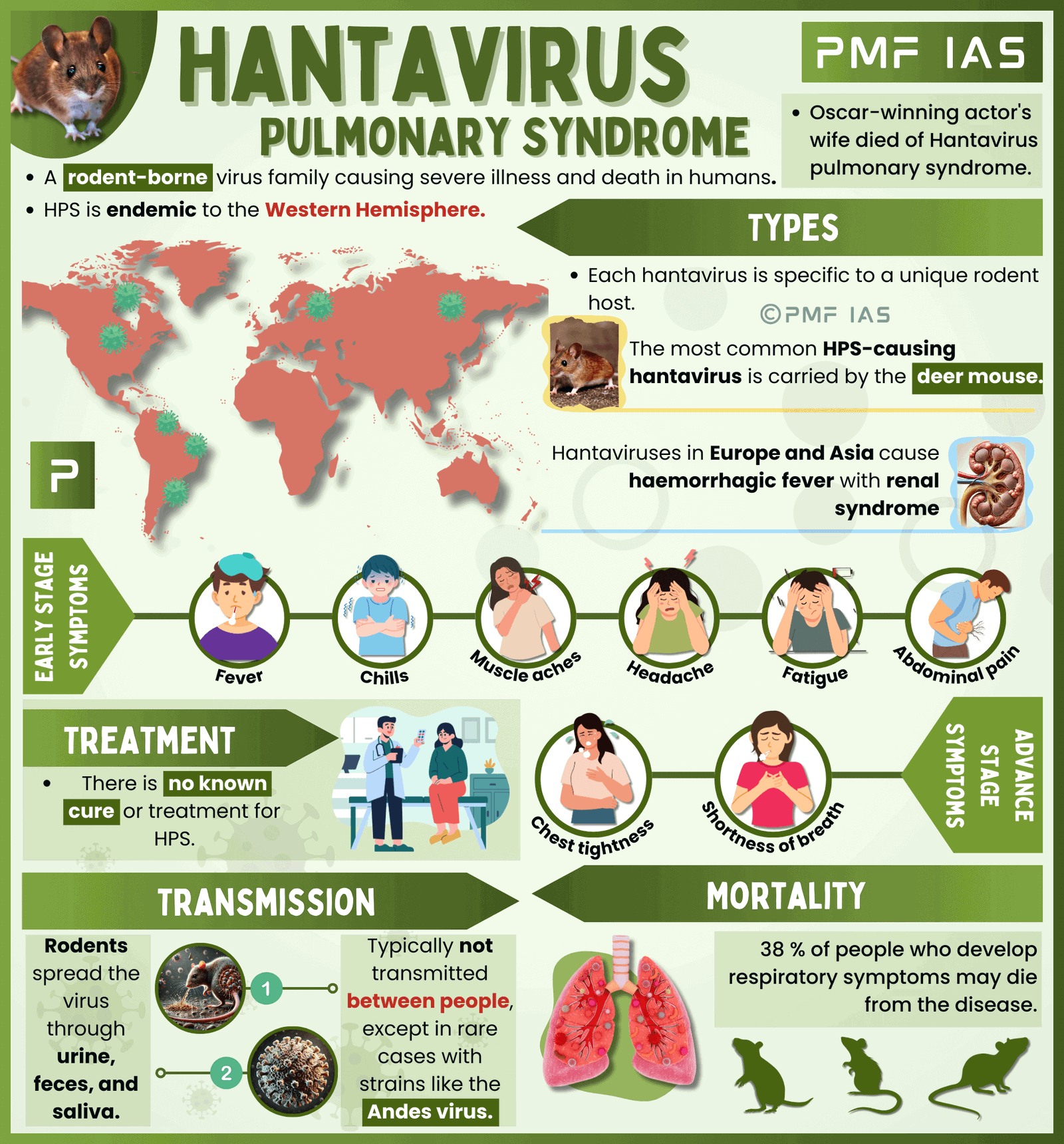
The most common route of infection is inhalation. When rodent nesting materials or droppings are disturbed—such as during the cleaning of a shed or a dusty attic—tiny viral particles can become airborne. If a person breathes in these particles, the virus enters the system. While less common, infection can also occur through a rodent bite or scratch, or if contaminated material touches a mucous membrane or a break in the skin.
In the United States, the deer mouse is the most frequent carrier of the hantavirus that leads to Hantavirus Pulmonary Syndrome (HPS). Globally, the landscape varies; in Europe and Asia, different strains cause Hemorrhagic Fever with Renal Syndrome (HFRS), a condition that primarily impacts the kidneys and blood vessels. One specific strain, the Seoul virus, is known to be found worldwide, including in the U.S., and is associated with HFRS.
Can Hantavirus Become a Pandemic?
A central question emerging from recent reports is whether hantavirus can mutate to become a pandemic threat similar to COVID-19. From a virological standpoint, the answer is that such a scenario is highly unlikely. The fundamental difference lies in the method of transmission.
The vast majority of hantaviruses cannot spread from person to person. They require a rodent reservoir to survive and propagate. There is one notable exception: the Andes virus found in South America. The World Health Organization (WHO) notes that limited human-to-human transmission of the Andes virus has been documented, typically only among people who have had highly close contact with an ill person.
Because the virus lacks the efficient human-to-human transmission mechanism required for a pandemic, it does not behave like a respiratory virus that spreads through casual coughing or talking in a crowded room. While a suspected case on a cruise ship or a flight may cause alarm, the biological barriers to a widespread human outbreak remain significant. The risk remains concentrated in environments where human contact with rodent infestations is high.
Identifying Symptoms and Seeking Treatment
Hantavirus is a severe illness that requires immediate medical attention, as early intervention is critical for survival. The symptoms generally evolve in two distinct phases.
The Initial Phase: Usually appearing one to eight weeks after exposure, early symptoms are often non-specific and can be mistaken for the flu. These include:
- Fatigue and fever
- Muscle aches, particularly in the thighs, hips, back, and shoulders
- Headaches, chills, and dizziness
- Abdominal issues, such as nausea, vomiting, or diarrhea
The Late Phase: Four to 10 days after the initial symptoms, patients with HPS may experience a rapid progression toward respiratory failure. This is characterized by coughing and severe shortness of breath as the lungs fill with fluid.
The severity of these conditions cannot be understated. In the Americas, Hantavirus Cardiopulmonary Syndrome (HCPS) is a rapidly progressive condition affecting both the lungs and the heart, with a case fatality rate that can reach up to 50%, according to the WHO.
Currently, there is no specific cure or antiviral medication that eliminates the hantavirus. Treatment focuses on aggressive supportive medical care. This involves close clinical monitoring and the management of respiratory, cardiac, and kidney complications, often requiring intensive care unit (ICU) support and mechanical ventilation to help the patient breathe while the body fights the infection.
Prevention and Environmental Safety
Because there is no vaccine for hantavirus, prevention relies entirely on reducing contact between humans and infected rodents. For most people, this means implementing strict rodent control measures in and around their homes and workplaces.
If you are cleaning an area where rodents have been active, avoid sweeping or vacuuming dry droppings, as this can kick the virus into the air. Instead, the safest method is to wet the area with a disinfectant or a bleach solution before cleaning. This prevents the virus from becoming airborne and kills the pathogen on contact.
Practical safety steps include:
- Sealing holes and cracks in home exteriors to prevent rodent entry.
- Storing food in rodent-proof containers.
- Removing debris, brush piles, and woodpiles from around the home.
- Using gloves and masks when cleaning potentially contaminated areas.
Frequently Asked Questions
Is hantavirus common in city environments?
While hantaviruses are often associated with rural areas and deer mice, certain strains like the Seoul virus are carried by rats and can be found in urban environments globally.
Can I get hantavirus from my pet hamster or guinea pig?
Commercial pet store rodents are generally not carriers of hantavirus; the risk is almost exclusively associated with wild rodent populations.
What should I do if I suspect I have been exposed?
If you have developed fever and muscle aches after cleaning a rodent-infested area, contact a healthcare provider immediately and inform them of your potential exposure.
As health authorities continue to monitor suspected cases among travelers, the public is encouraged to rely on verified data from the WHO and CDC rather than speculative reports. While hantavirus is a potent reminder of the risks associated with zoonotic diseases, it remains a rare occurrence for the general population.
The next official updates regarding global zoonotic surveillance are typically released through the WHO’s weekly epidemiological reports. We will continue to monitor these filings for any change in the virus’s behavior or transmission patterns.
Do you have questions about zoonotic diseases or public health safety? Share this article and join the conversation in the comments below.
Worth a look