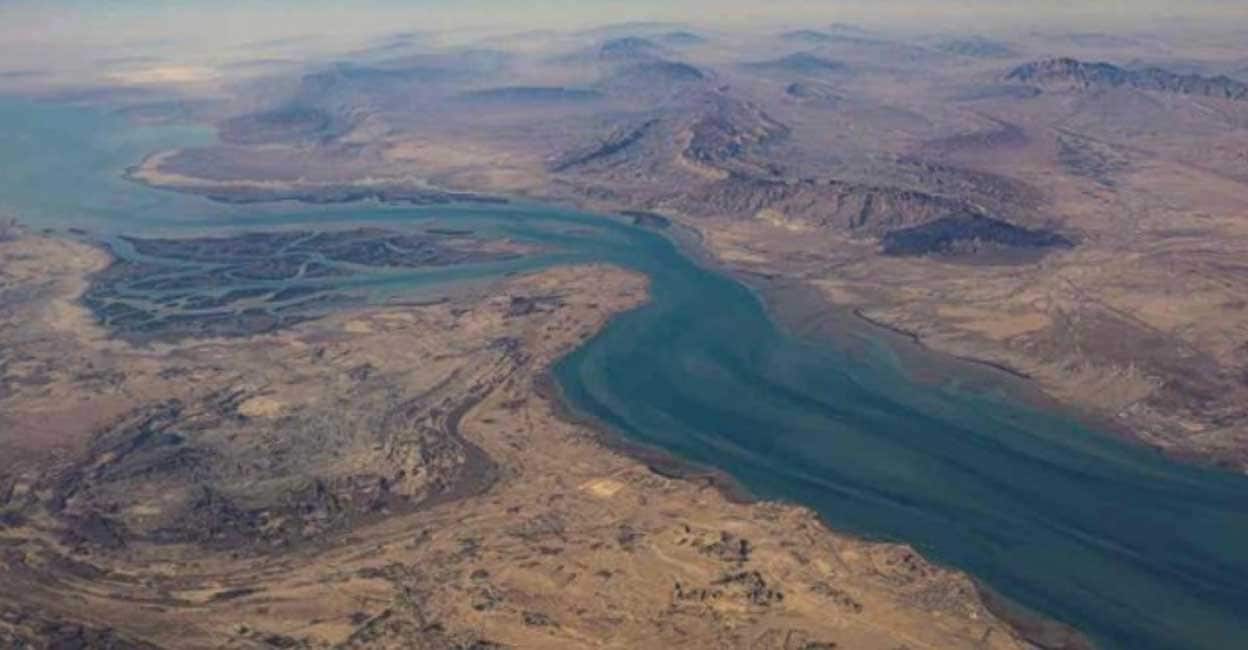
India has issued a formal diplomatic protest to Iran after two Indian-flagged merchant vessels were fired upon in the Strait of Hormuz, sparking urgent high-level discussions regarding the safety of commercial shipping in one of the world’s most volatile waterways.
The incident, which occurred north of Oman, prompted the Indian government to summon the Iranian ambassador to express “deep concern” over the attack. The vessels involved, identified as the Jag Arnav and the Sanmar Herald, were forced to turn back after coming under fire from the Iranian navy.
According to official reports, there were no casualties resulting from the encounter. The ships sustained only minor damages, with reports indicating that shattered glass in one of the cabins was the primary physical impact. Despite the lack of injuries, the event has heightened tensions between New Delhi and Tehran over the security of maritime trade routes.
The confrontation underscores the precarious nature of navigating the Indian vessels Strait of Hormuz, a critical energy corridor where India maintains a significant presence due to its heavy reliance on energy imports from the Gulf region.
Diplomatic Fallout and the Summoning of the Iranian Envoy
In the immediate aftermath of the shooting, India’s foreign ministry summoned Iranian Ambassador Mohammad Fathali. During the meeting, Foreign Secretary Vikram Misri conveyed the Indian government’s serious concerns regarding the targeting of merchant ships.
Misri emphasized the critical importance India places on the safety of seafarers and commercial shipping. During the diplomatic exchange, it was noted that Iran had previously facilitated the safe passage of several other India-bound vessels, making this recent aggression a significant departure from previous cooperation.
The foreign secretary urged Ambassador Fathali to convey India’s views to the Iranian authorities and called for the immediate resumption of processes that facilitate the safe transit of India-bound ships across the Strait. The ambassador reportedly undertook to relay these concerns to the government in Tehran.
The Vessels Under Fire: Jag Arnav and Sanmar Herald
The two targeted ships were engaged in routine commercial transit to India. The Jag Arnav, a bulk carrier sailing under the Indian flag, had departed from Al Jubail in Saudi Arabia. The Sanmar Herald was transporting crude oil loaded in Iraq.
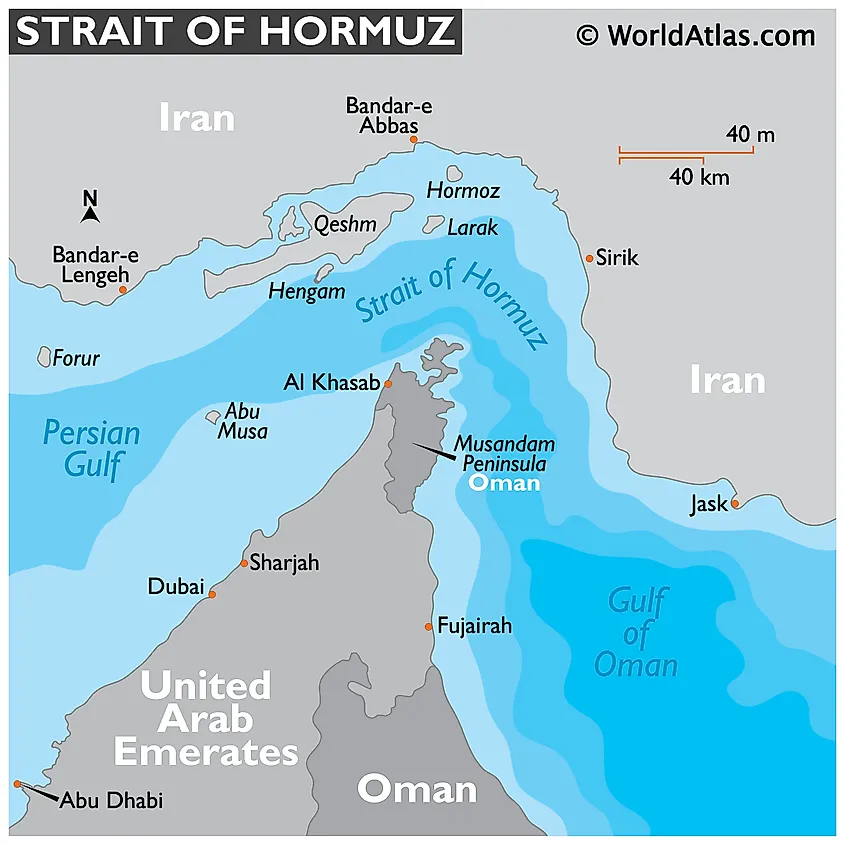
Both vessels were traveling toward India when they encountered the Iranian navy north of Oman. Following the firing incident, both ships were forced to abandon their course and turn back. While the physical damage was limited to shattered glass in one cabin, the psychological and strategic impact of the attack has prompted a review of shipping security for Indian-flagged vessels in the region.
The Strategic Importance of the Strait of Hormuz
The Strait of Hormuz, situated between Iran and Oman, is recognized as one of the most vital energy chokepoints globally. Approximately one-fifth of all global crude shipments normally transit through this narrow waterway, making any disruption a matter of international economic security.
For India, the Strait is a lifeline for its energy security. Because of its dependence on oil and gas imports from the Gulf, India is among the nations with the highest volume of vessels transiting the route. Any instability or targeted attacks on merchant shipping in this area directly threaten India’s energy supply chain and the safety of its maritime personnel.
The current diplomatic friction highlights the delicate balance India must maintain in the region, ensuring the flow of energy while protesting actions that jeopardize the safety of its commercial fleet.
The Indian government continues to monitor the situation closely. The next confirmed checkpoint will be the response from Iranian authorities regarding the facilitation of safe passage for India-bound ships, as requested by Foreign Secretary Vikram Misri.
We invite our readers to share their perspectives on maritime security in the comments below and share this report to keep others informed on global shipping safety.
Worth a look