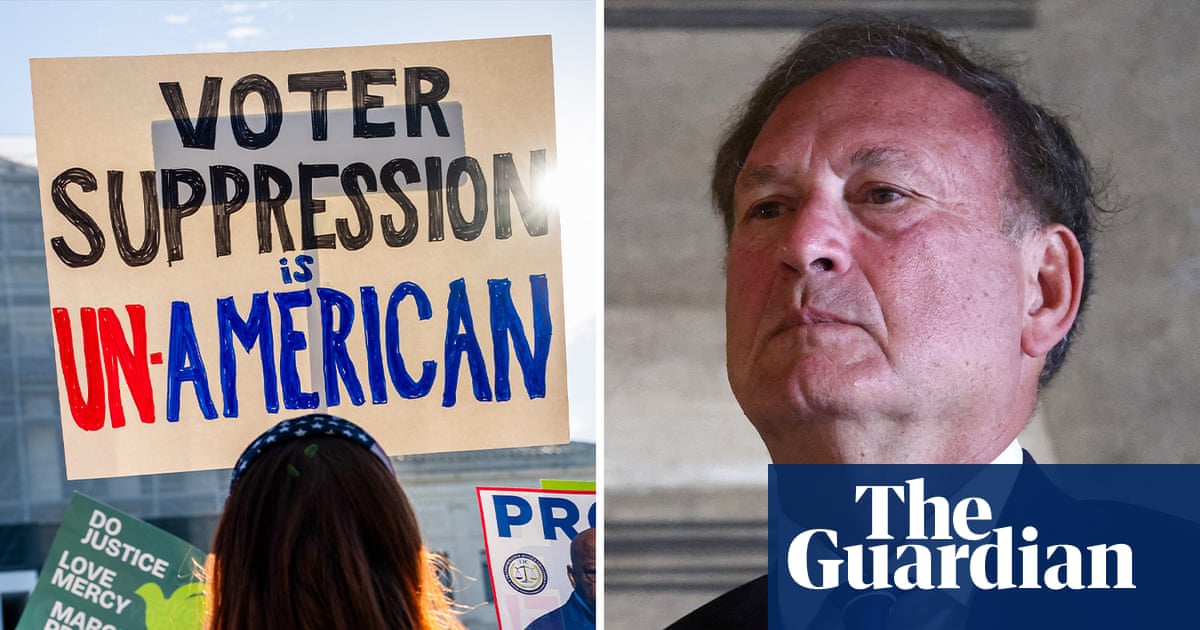
The integrity of the United States electoral system often hinges on the interpretation of a few critical lines of legislation and the data used to defend them. At the center of a growing legal and political debate is Justice Samuel Alito and a pivotal ruling regarding the Voting Rights Act (VRA), where critics argue that the majority opinion relied on a misleading interpretation of data provided by the Department of Justice (DOJ).
The controversy stems from the Supreme Court’s analysis of how specific state voting laws impact minority communities. While the Voting Rights Act was designed to eliminate racial discrimination in voting, recent judicial interpretations have shifted the threshold for what constitutes a “disparate impact”—the legal term for when a policy negatively affects one group more than another, even if the policy appears neutral on its face.
At the heart of this dispute is the case of Brnovich v. Democratic National Committee, a ruling that has significant implications for how Section 2 of the Voting Rights Act is applied across the country. The decision not only upheld a restrictive voting law in Arizona but also established a new, more stringent set of guidelines that make it harder for plaintiffs to prove that a voting law violates the VRA.
The tension arises from the gap between the statistical evidence presented by the DOJ and the conclusions drawn by Justice Alito in his majority opinion. Legal scholars and voting rights advocates suggest that by minimizing the significance of the disparate impact data, the Court has effectively weakened the primary tool used to protect minority voters from systemic disenfranchisement.
The Brnovich Ruling and the Ban on ‘Ballot Harvesting’
The legal battle began with Arizona’s House Bill 2023, a law that criminalized “ballot harvesting”—the practice of third parties collecting and submitting completed absentee ballots on behalf of voters. While the state argued the law was necessary to prevent voter fraud and maintain election integrity, opponents argued it disproportionately burdened voters in minority communities, particularly Native Americans and Latino citizens who often live in rural areas with limited access to mail services.
In the case of Brnovich v. Democratic National Committee, the Supreme Court was asked to decide if this ban violated Section 2 of the Voting Rights Act. Section 2 prohibits any voting standard or practice that results in a denial or abridgment of the right to vote on account of race or color.
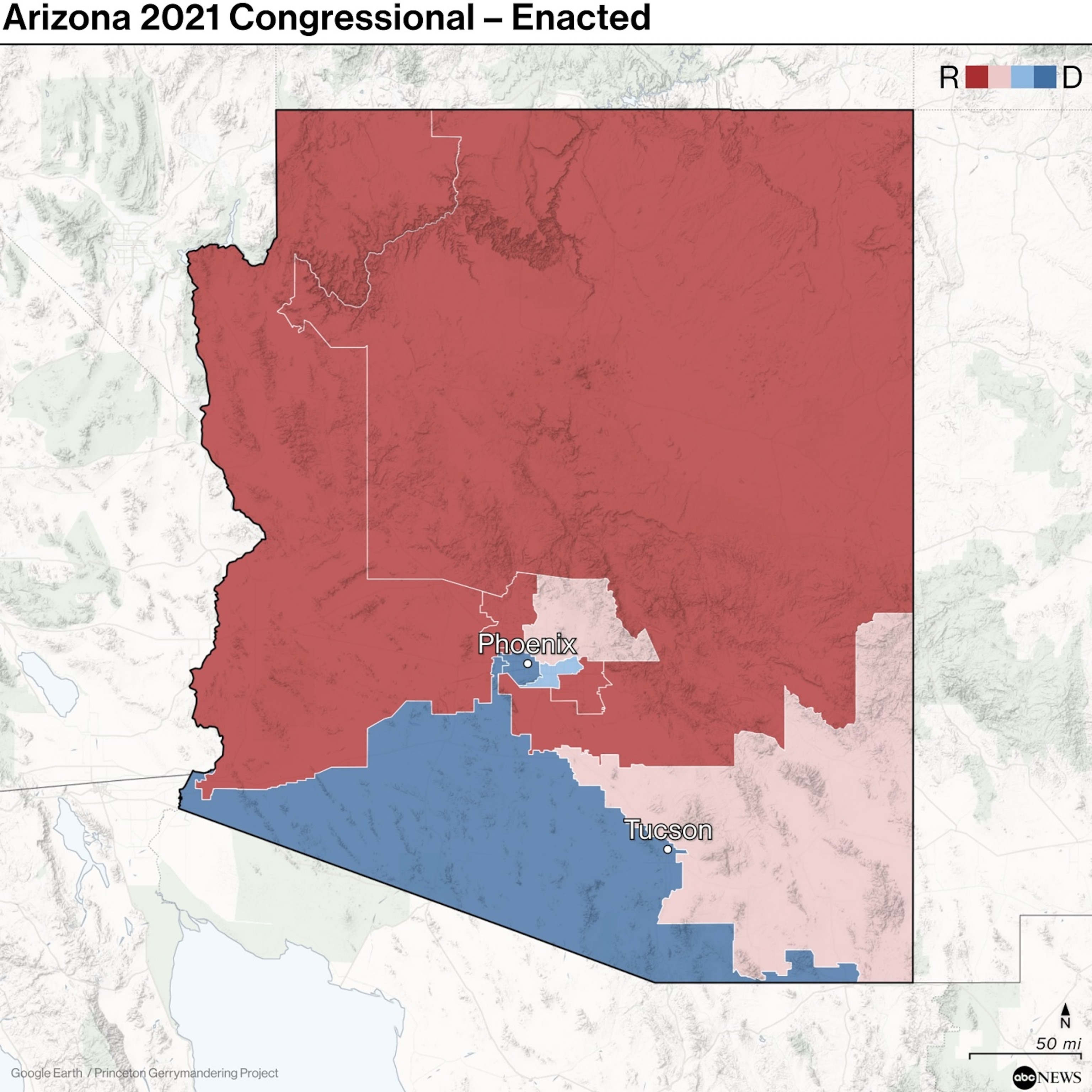
Writing for the majority, Justice Samuel Alito upheld the Arizona law. He argued that the “disparate impact” on minority voters was not sufficient to violate the VRA. To reach this conclusion, Alito introduced several “guideposts” for future courts to use when evaluating Section 2 claims. These guideposts include the size of the burden on the voter and whether the rule is a “usual” part of the voting process.
However, the ruling’s reliance on these guideposts has been criticized as a departure from previous legal precedents. By emphasizing that a small disparate impact is acceptable if the state provides a reasonable justification, the Court has shifted the burden of proof heavily onto the voters and the government agencies attempting to protect them.
The Dispute Over DOJ Data and Statistical Interpretation
The most contentious aspect of the ruling involves how Justice Alito handled the data provided by the Department of Justice. The DOJ had presented evidence suggesting that the ban on third-party ballot collection would significantly hinder the ability of minority voters to cast their ballots, particularly in rural regions where the postal service is unreliable.
Critics argue that Justice Alito’s opinion minimized this data by focusing on the absolute number of voters affected rather than the proportional impact on specific minority subgroups. In legal challenges to the VRA, the “disparate impact” is typically measured by comparing the burden on a protected group versus the burden on the general population. If a law makes it significantly harder for a minority group to vote compared to the majority, it is often flagged as a violation.
The controversy suggests that the majority opinion used a misleading framing of the DOJ’s figures to conclude that the impact was “small.” By treating the affected voters as a tiny fraction of the overall electorate, the ruling ignored the concentrated impact on marginalized communities. This statistical approach effectively erases the specific hardships faced by rural minority populations, transforming a significant barrier for a small group into an insignificant barrier for the whole.
This interpretation is a critical point of failure for those who believe the VRA should protect the most vulnerable voters. If the Court only recognizes a violation when a massive percentage of the total population is affected, laws that target small, isolated minority communities—who may hold the balance of power in local elections—could be passed with impunity.
Section 2 and the Erosion of Voting Protections
To understand why the data dispute in Brnovich matters, it is necessary to understand the broader trajectory of the Voting Rights Act of 1965. For decades, the VRA operated on two main pillars: Section 4 (which defined “covered jurisdictions” with a history of discrimination) and Section 5 (which required those jurisdictions to “preclear” any changes to voting laws with the federal government).
In 2013, the Supreme Court effectively neutralized Section 5 in Shelby County v. Holder, ruling that the formula used to determine covered jurisdictions in Section 4 was outdated. This removed the federal government’s ability to block discriminatory laws before they went into effect, forcing advocates to rely on Section 2 to challenge laws after they had already been implemented.
Because Section 2 is the last remaining powerful tool for challenging discriminatory voting laws, the Brnovich ruling is seen as a second blow. By raising the bar for what constitutes a “disparate impact” and allowing states to justify discriminatory results with broad claims of “election integrity,” the Court has made Section 2 significantly harder to enforce.
The “guideposts” established by Justice Alito essentially allow states to argue that if a law is “common” or if the burden is “small” relative to the total population, the law is legal regardless of its impact on minority voters. This creates a loophole where systemic discrimination can be maintained as long as it does not affect a large enough percentage of the total population to trigger the Court’s new thresholds.
The Dissent and the Legal Counter-Argument
The majority opinion was not without strong opposition. Justice Elena Kagan, writing for the dissent, argued that the majority was creating a new, restrictive test for Section 2 that was not found in the text of the law. Kagan emphasized that the VRA was specifically designed to protect minority voters from the very types of “neutral” laws that the majority was now upholding.
The dissent highlighted the importance of the DOJ’s data, arguing that the burden on rural Native American voters was not a “minor” inconvenience but a fundamental barrier to the ballot box. Kagan contended that the majority’s focus on the “usual” nature of voting laws ignored the historical reality that many “usual” laws were designed specifically to exclude minority voices.
The disagreement between the majority and the dissent reflects a fundamental philosophical divide on the Supreme Court:
- The Majority View: Voting laws should be judged by their general application and the state’s stated interest in election security, with a high threshold for proving a discriminatory effect.
- The Dissenting View: The VRA requires a proactive protection of minority voters, where any significant disparate impact—regardless of the state’s justification—must be scrutinized to prevent the dilution of minority voting power.
Impact on Minority Voters and Future Elections
The practical consequences of the Brnovich ruling and the interpretation of DOJ data are already being felt. Across several states, lawmakers have introduced more restrictive voting laws, citing the Brnovich “guideposts” as a shield against legal challenges. These laws often include stricter voter ID requirements, limits on mail-in ballots, and restrictions on where ballot drop boxes can be placed.
For voters in rural Arizona and similar jurisdictions, the upholding of the ballot harvesting ban means that those without reliable transportation or mail access must now find alternative ways to submit their ballots. For elderly voters or those with disabilities in minority communities, this creates a physical and logistical barrier that can lead to lower turnout.
the ruling sends a signal to other states that they can implement restrictive measures as long as the disparate impact is concentrated among a small enough group. This encourages a strategy of “precision disenfranchisement,” where laws are tailored to impact specific demographics without affecting a large enough portion of the general population to attract the attention of the Supreme Court under the new guidelines.
What Happens Next for the Voting Rights Act?
With the Supreme Court showing a clear trend toward narrowing the scope of the VRA, the focus has shifted toward the legislative branch. Many voting rights advocates argue that the only way to restore the protections lost in Shelby County and Brnovich is through new federal legislation.
Proposed bills, such as the John Lewis Voting Rights Advancement Act, aim to create a new formula for preclearance and strengthen the protections of Section 2. By codifying a clearer standard for “disparate impact” and removing the ambiguity that Justice Alito utilized in the Brnovich ruling, Congress could potentially override the Court’s restrictive interpretations.
Until such legislation is passed, the legal battle will continue in lower courts, which must now navigate the “guideposts” established by the Supreme Court. Legal teams representing minority voters are attempting to find new ways to present data that satisfy the Court’s higher threshold, focusing on the “totality of circumstances” to prove that voting laws are not just burdensome, but discriminatory.
The debate over Justice Alito’s use of DOJ data is more than a technical dispute over statistics; it is a debate over the definition of democracy. If the law only protects the majority, or if it ignores the specific burdens placed on the most marginalized, the promise of “one person, one vote” remains unfulfilled for millions of Americans.
The next major checkpoint for these issues will be the upcoming cycle of state-level election challenges and any potential legislative movement in Congress regarding the Voting Rights Act. As the 2026 election cycle approaches, the tension between state-level restrictions and federal protections will likely reach a new peak.
We want to hear from you. Do you believe the Supreme Court should prioritize “election integrity” or “voter access” when interpreting the Voting Rights Act? Share your thoughts in the comments below and share this article to join the conversation.
Worth a look