
President Volodymyr Zelenskyy has confirmed that Ukraine will observe a three-day ceasefire with Russia, scheduled to take place from May 9 to May 11. The announcement, made on May 8, comes alongside the confirmation of a significant humanitarian breakthrough: a large-scale prisoner-of-war exchange.
The ceasefire, which was mediated by the United States, is designed to facilitate a reciprocal swap of 1,000 prisoners from each side. This agreement represents one of the most substantial prisoner exchanges since the escalation of the conflict, providing a brief window of operational silence during a period of high symbolic tension.
Speaking on the decision, President Zelenskyy emphasized that the priority of the Ukrainian government remains the recovery of its citizens. He noted that the symbolic importance of events in Moscow, specifically the traditional Victory Day celebrations, is secondary to the lives of those held in captivity. “Red Square is less important to us than the lives of Ukrainian prisoners,” Zelenskyy stated, confirming that the 1,000-for-1,000 POW swap has been formally agreed upon with Moscow.
The Mechanics of the May 9-11 Ceasefire
The timing of the ceasefire is particularly notable, as it coincides with May 9, a date of immense historical and political significance in Russia. By agreeing to a cessation of hostilities from May 9-11, both nations have entered into a temporary arrangement that allows for the safe transit of prisoners across the front lines.

According to official statements, this U.S.-mediated ceasefire is intended to provide the necessary security guarantees to move a large volume of personnel. In conflicts of this scale, the logistics of transporting 2,000 individuals—1,000 from each side—require a synchronized pause in artillery and drone activity to prevent accidental engagements or targeted strikes on transport convoys.
For the Ukrainian administration, the decision to allow a period of relative calm during the Russian celebrations in Moscow is a pragmatic trade-off. The focus is shifted entirely toward the humanitarian outcome of the swap rather than the political optics of the Russian military parade.
Impact of the 1,000-for-1,000 Prisoner Exchange
The scale of this exchange is unprecedented in the current phase of the war. A 1,000-for-1,000 swap indicates a high level of diplomatic coordination and a mutual willingness to clear prisoner registries. Such exchanges are critical not only for the families of the captives but also for maintaining the morale of the active-duty forces.
Prisoner exchanges often serve as a barometer for the broader diplomatic climate. The fact that this specific deal was mediated by the United States suggests a concerted international effort to secure humanitarian wins even while broader political resolutions remain elusive. The logistical complexity of such a swap involves rigorous identification processes and the coordination of neutral third-party monitors to ensure that the agreed-upon numbers are met on both sides.
The return of 1,000 Ukrainian prisoners is expected to provide critical intelligence and relief to the Ukrainian defense apparatus, while the reciprocal release of Russian prisoners serves as a primary incentive for the Kremlin to adhere to the three-day window of silence.
What Happens Next
The immediate focus now shifts to the implementation of the ceasefire beginning May 9. International observers and the mediating U.S. Officials will be monitoring the front lines to ensure that neither side violates the agreement, which could jeopardize the safety of the prisoners currently in transit.
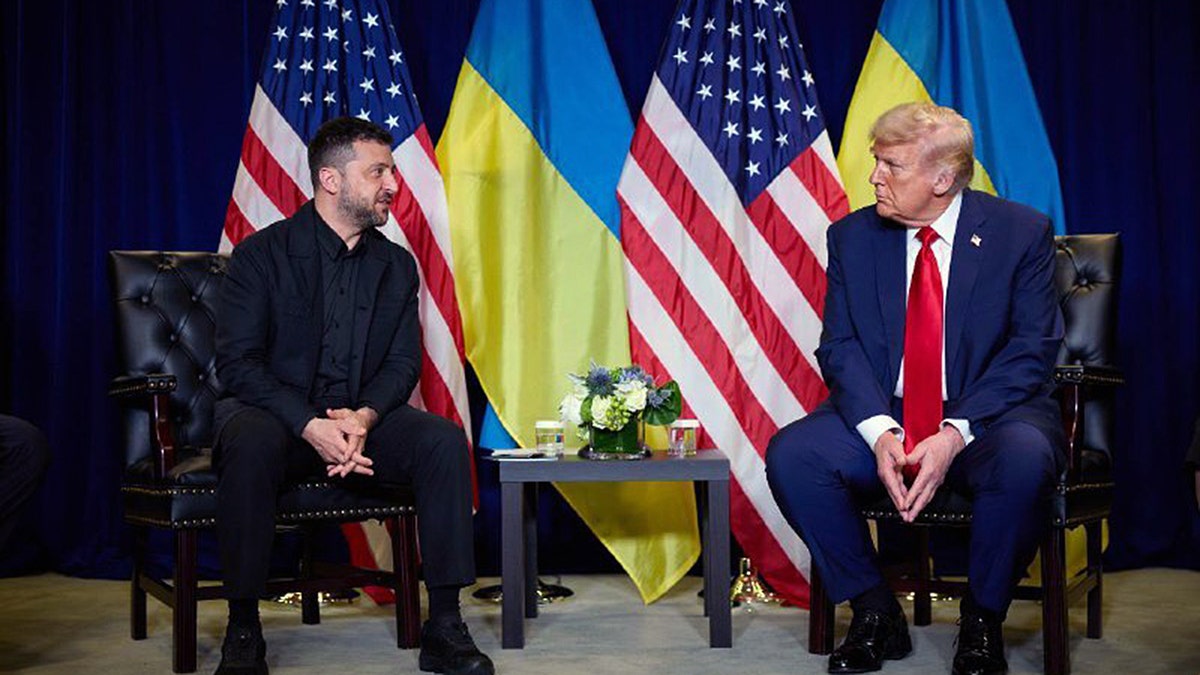
The next confirmed checkpoint will be the completion of the prisoner transfers by May 11. Following the conclusion of this window, it remains to be seen whether this tactical pause will lead to further humanitarian agreements or if the conflict will return to its previous intensity.
World Today Journal will continue to monitor the situation. We invite our readers to share their thoughts in the comments section below and share this report as more updates become available.