In the sterile quiet of a hospital ward or the hurried pace of a clinic, the rawest versions of human nature often emerge. As a physician, I have spent years observing patients at their most vulnerable, witnessing how fear, pain, and systemic stress can strip away social veneers. In these high-pressure environments, it is common to see a default shift toward self-protection—manifesting as impatience, defensiveness, or emotional withdrawal. This is not a failure of character, but a biological response to perceived threat.
However, these clinical observations point toward a profound systemic question: can we move the needle on this biological default? While we often view kindness as a moral choice or a personality trait, medical evidence suggests it is a skill that can be cultivated. By prioritizing the teaching of kindness in early childhood development, we are not merely fostering “polite” children; we are essentially rewiring the developing brain to handle stress with resilience rather than aggression.
The intersection of neuroscience, pediatrics, and psychology reveals that the capacity for empathy and altruism is deeply intertwined with a child’s physiological health. From the regulation of cortisol to the strengthening of neural pathways in the prefrontal cortex, the “medical case” for kindness is built on the premise that prosocial behavior is a protective factor for long-term physical and mental well-being.
Understanding this requires a shift in how we perceive early education. Kindness is not a “soft skill” to be taught after academic milestones are met; it is a foundational biological requirement for a healthy, functioning adult nervous system. When we integrate empathy into the earliest stages of development, we provide children with a neurological toolkit that reduces the lifelong burden of chronic stress and improves overall health outcomes.
The Neurobiology of Empathy and the Developing Brain
The human brain undergoes its most rapid period of growth and plasticity during the first few years of life. During this window, the brain is hyper-responsive to environmental stimuli, forming trillions of synaptic connections based on a child’s experiences. This period of neuroplasticity means that the habits of thought and emotional response established in early childhood often become the “hard-wiring” for adulthood.
Kindness and empathy are centered primarily in the prefrontal cortex—the area of the brain responsible for complex cognitive behavior, decision-making, and moderating social behavior. When children are encouraged to recognize the emotions of others and respond with care, they are actively exercising these neural circuits. This process strengthens the connection between the prefrontal cortex and the amygdala, the brain’s emotional alarm system. A stronger prefrontal-amygdala connection allows an individual to regulate their emotions more effectively, preventing the “amygdala hijack” that leads to the defensive or aggressive behaviors often seen in high-stress medical or social environments.
the biological reward system plays a critical role. Acts of kindness trigger the release of dopamine and serotonin—neurotransmitters associated with pleasure and stability. This creates a positive feedback loop: the child associates altruism with a feeling of well-being, making kindness a self-reinforcing habit. This internal reward system is a powerful tool in combating the development of anxiety and depression in later childhood.
Oxytocin vs. Cortisol: The Chemical Balance of Care
From a medical perspective, the impact of kindness can be measured through the endocrine system, specifically the balance between oxytocin and cortisol. Cortisol, the primary stress hormone, is essential for short-term “fight or flight” responses. However, chronic exposure to high cortisol levels—often caused by unstable environments or a lack of supportive social bonds—can be toxic to the developing brain, particularly the hippocampus, which is vital for memory and learning.
Kindness acts as a biological buffer against this toxicity. Positive social interactions and acts of care stimulate the release of oxytocin, often referred to as the “bonding hormone.” Oxytocin not only promotes trust and emotional attachment but also actively inhibits the production of cortisol. By teaching children to be kind and empathetic, we are essentially teaching them how to manage their own stress chemistry.
This relationship is central to the concept of “toxic stress.” According to the Harvard Center on the Developing Child, prolonged activation of stress response systems without adequate support can disrupt brain architecture. Kindness, delivered through supportive caregiving and peer relationships, provides the “buffer” necessary to prevent this disruption, ensuring that the child’s nervous system remains regulated and resilient.
Long-Term Health Outcomes and the ‘Helper’s High’
The benefits of early kindness education extend far beyond the classroom or the playroom; they manifest as tangible health advantages in adulthood. There is a documented phenomenon known as the “helper’s high,” where the act of giving or helping others leads to a reduction in blood pressure and a decrease in systemic inflammation.
When kindness is ingrained as a primary mode of interaction during childhood, it leads to better emotional regulation in adulthood. Individuals who possess high levels of empathy and prosocial skills tend to have stronger social support networks. In medical literature, strong social connectivity is one of the most consistent predictors of longevity and cardiovascular health. Conversely, social isolation and chronic interpersonal conflict are linked to increased risks of heart disease and weakened immune function.
By fostering a disposition toward kindness in early childhood, we are effectively implementing a primary prevention strategy for a variety of adult health crises. A person who can navigate conflict with empathy is less likely to experience the chronic psychological distress that leads to hypertension and other stress-related ailments. Teaching kindness is a public health intervention that begins in the nursery.
Integrating Social-Emotional Learning (SEL) into Development
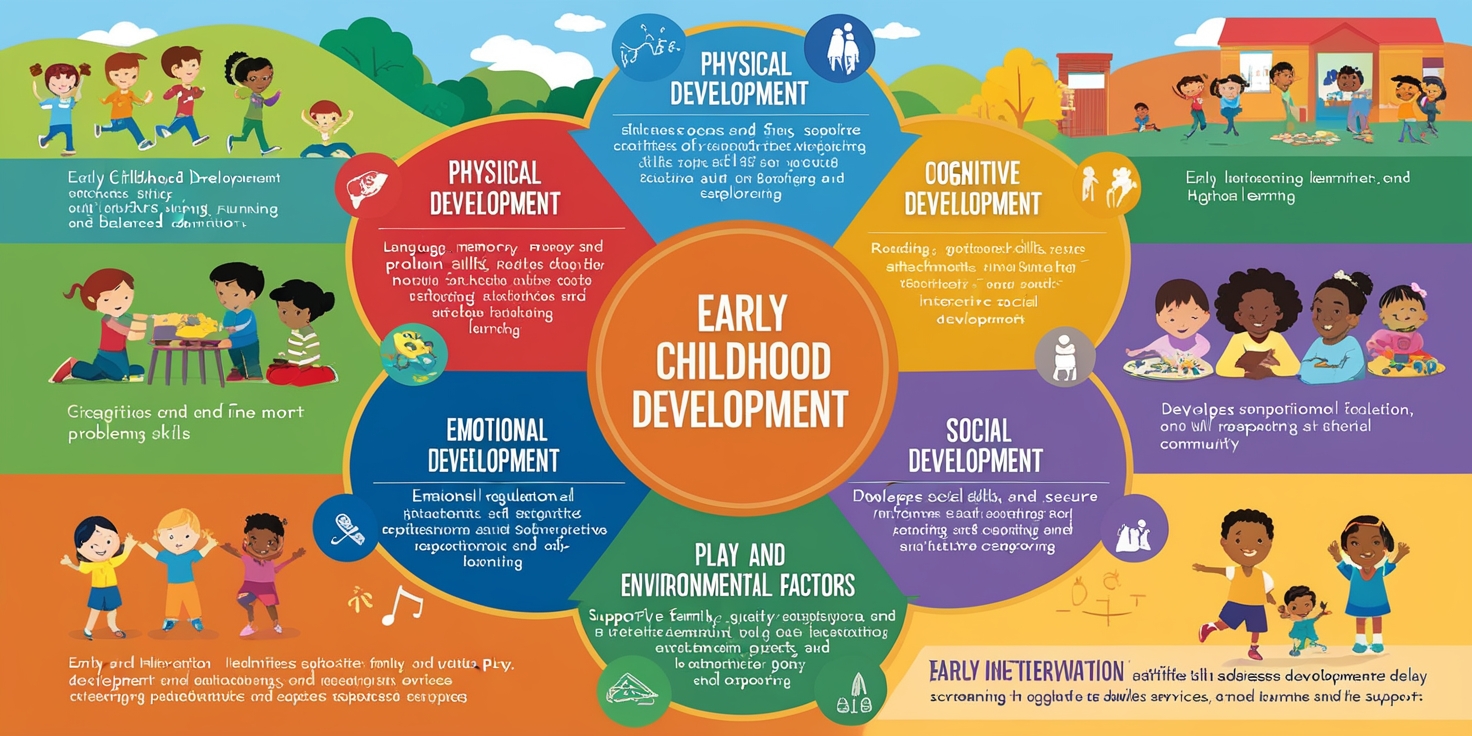
To translate this medical necessity into practice, educators and parents are increasingly turning to Social-Emotional Learning (SEL). SEL is a framework that helps children manage their emotions, set positive goals, feel and show empathy for others, establish and maintain positive relationships, and make responsible decisions.
The medical case for SEL is clear: it moves kindness from an abstract concept to a practiced skill. Effective SEL integration includes:
- Emotional Labeling: Helping children identify their own feelings and the feelings of others, which activates the prefrontal cortex.
- Perspective-Taking: Encouraging children to imagine how another person feels, which strengthens the neural pathways associated with empathy.
- Modeling Prosocial Behavior: Because children learn through observation (mirror neurons), the kindness modeled by adults is the most potent form of instruction.
- Conflict Resolution: Teaching children to solve problems through communication rather than aggression, reducing the reliance on the amygdala’s stress response.
When these practices are embedded in early childhood education, the results are measurable. Children in SEL-enriched environments often show improved academic performance and a significant reduction in behavioral issues, largely because their brains are not trapped in a state of constant defensive arousal.
The Societal Ripple Effect: From the Clinic to the Community
If we view the individual as a cell within a larger societal organism, the benefits of early kindness education multiply. A society where the majority of citizens have been trained from a young age to prioritize empathy is a society with lower rates of violence and higher levels of collective resilience.
In the healthcare sector specifically, this shift is critical. The “burnout” epidemic among medical professionals is often a result of the emotional toll of dealing with high-stress, defensive human interactions. If the general population is better equipped with the tools of kindness and emotional regulation, the interaction between patient and provider becomes more collaborative and less adversarial. This not only improves the mental health of the clinician but also leads to better patient outcomes, as trust and empathy are known to improve treatment adherence and recovery rates.
The medical case for kindness is, not about idealism; it is about optimization. We are optimizing the human brain for cooperation rather than conflict, and health rather than chronic stress.
Key Takeaways for Parents and Educators
- Kindness is Biological: It is a skill that strengthens the prefrontal cortex and helps regulate the amygdala.
- Stress Mitigation: Prosocial behavior increases oxytocin, which helps neutralize the damaging effects of chronic cortisol (toxic stress).
- Lifelong Health: Early empathy training is linked to better cardiovascular health and mental resilience in adulthood.
- Actionable Strategy: Social-Emotional Learning (SEL) provides the framework to turn kindness into a repeatable, neurological habit.
The next critical step in this evolution is the broader integration of SEL standards into national early childhood curricula. While many districts have adopted these programs, a standardized, medically-informed approach to empathy training could significantly reduce the long-term burden on public health systems.
Do you believe kindness should be a formal part of early childhood education? We invite you to share your experiences with social-emotional learning in the comments below and share this article with other parents and educators.