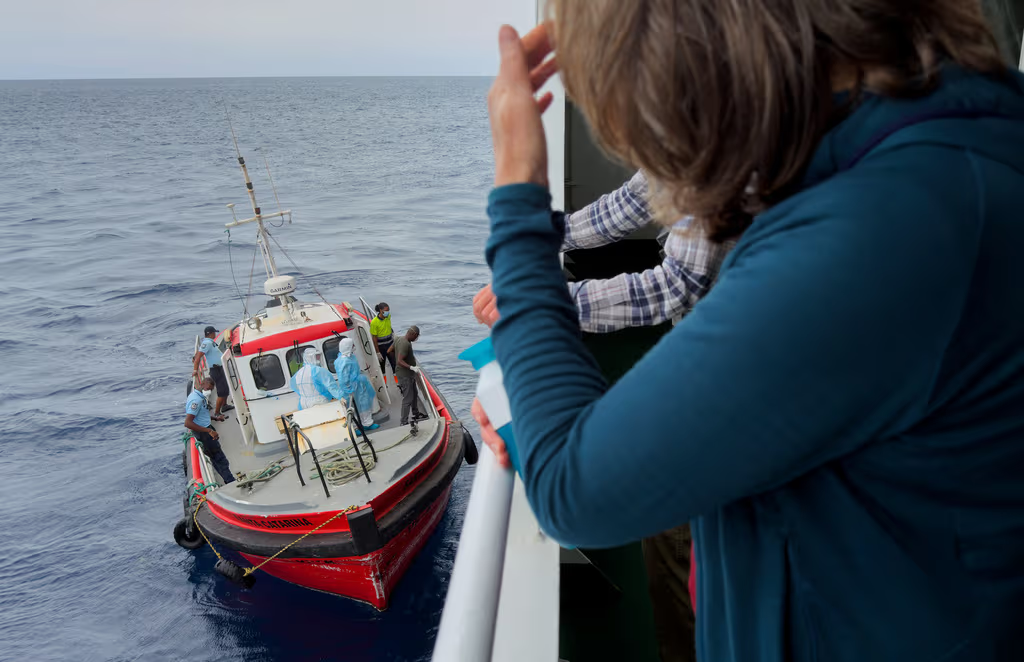
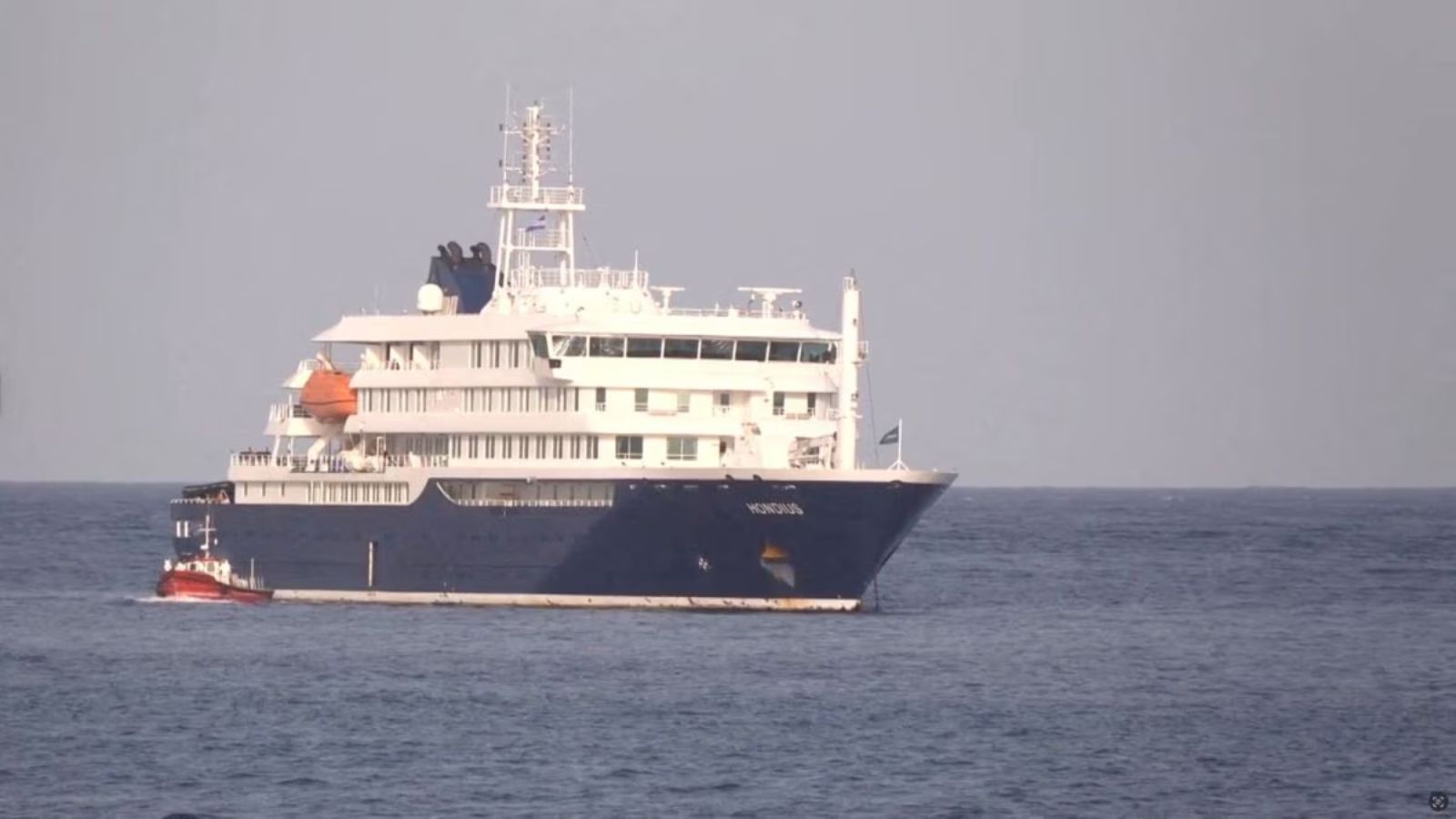
International health authorities are on high alert following a deadly hantavirus outbreak on the MV Hondius, a Dutch-flagged cruise ship. The situation has triggered a coordinated international response as officials race to trace passengers who disembarked before the cluster of severe respiratory illnesses was identified.
As of May 7, 2026, the World Health Organization (WHO) has reported eight confirmed or suspected cases of hantavirus linked to the vessel, including three fatalities. The victims have been identified as a married couple and a German national. The outbreak is particularly concerning to epidemiologists because it is believed to involve the rare Andes strain of the virus, which is the only type of hantavirus known to spread from human to human.
The MV Hondius, which carried approximately 150 passengers and crew at the start of its journey, is currently under intense scrutiny. While the WHO currently assesses the risk to the global population from this event as low, the potential for person-to-person transmission has necessitated rigorous contact tracing and isolation protocols across multiple borders.
Timeline of the Outbreak and Clinical Progression
The cluster of illness was first reported to the World Health Organization on May 2, 2026, after passengers began exhibiting severe acute respiratory illness. According to the WHO Disease Outbreak News (DON599), the onset of illness occurred between April 6 and April 28, 2026.
Clinical presentations were characterized by a rapid and severe progression. Initial symptoms included fever and gastrointestinal issues, which quickly evolved into pneumonia, acute respiratory distress syndrome (ARDS) and shock. On May 2, laboratory testing conducted in South Africa confirmed a hantavirus infection in one critically ill patient who remains in intensive care. A further death was reported on May 3, bringing the total to three fatalities.
As of May 4, the WHO identified seven cases—consisting of two laboratory-confirmed and five suspected cases—including one critically ill patient and three individuals reporting mild symptoms. By May 7, that number rose to eight confirmed or suspected cases.
The Andes Virus: A Rare Transmission Path
Most hantaviruses are zoonotic, meaning they are transmitted from animals to humans. According to the Centers for Disease Control and Prevention (CDC), humans typically acquire hantavirus through contact with the urine, droppings, or saliva of infected rodents, such as the deer mouse in the United States. These viruses generally cause two distinct syndromes: hantavirus pulmonary syndrome (HPS), which affects the lungs, and hemorrhagic fever with renal syndrome (HFRS), which affects the kidneys.
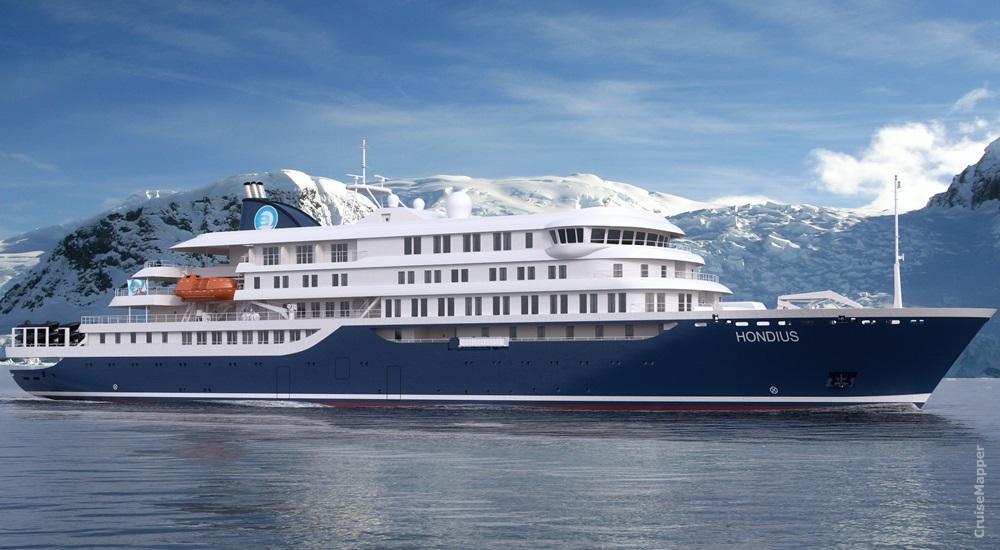
The situation aboard the MV Hondius is distinct due to the suspected presence of the Andes virus. Unlike other strains, the Andes virus is the only type known to exhibit limited human-to-human transmission, usually occurring among people who have had close contact with an ill person. This characteristic transforms a standard zoonotic event into a public health challenge requiring strict isolation and quarantine measures to prevent further community spread.
U.S. Containment and the Nebraska Quarantine
The outbreak has prompted significant containment efforts in the United States, where several former passengers are being monitored for potential exposure. To ensure the safety of the broader community, U.S. Officials have coordinated a specialized quarantine protocol for Americans returning from the vessel.
Once the ship docks, American passengers will be transferred to the National Quarantine Unit at the University of Nebraska Medical Center. This facility is specifically designed to handle high-consequence infectious diseases. Dr. Michael Ash, CEO of Nebraska Medicine, emphasized the readiness of the institution, stating, “We are prepared for situations exactly like this. Our teams have trained for decades alongside federal and state partners to make sure we can safely provide care while protecting our staff and the broader community.”
Global Response and Risk Mitigation
The management of the MV Hondius outbreak is being handled through a coordinated international response. This includes in-depth epidemiological investigations, the isolation and care of suspected cases, and medical evacuations for those requiring critical care. The WHO continues to monitor the situation under the National International Health Regulations (2005) (IHR) framework, having received initial notifications from the United Kingdom’s IHR Focal Point regarding the Dutch-flagged ship.
For those monitoring their health or traveling, the CDC notes that early symptoms of hantavirus pulmonary syndrome often include fatigue, fever, and muscle aches—particularly in the thighs, hips, back, and shoulders. Within four to 10 days, these can progress to coughing and shortness of breath. Rapid medical intervention is critical for improving survival rates in severe cases.
Key Takeaways: MV Hondius Hantavirus Outbreak
- Case Count: As of May 7, We find 8 confirmed or suspected cases and 3 deaths.
- The Pathogen: Suspected Andes virus, rare for its ability to spread human-to-human.
- Current Status: The ship is expected to dock in the Canary Islands over the coming weekend.
- U.S. Action: Affected American passengers will be quarantined at the University of Nebraska Medical Center.
- Global Risk: The WHO currently assesses the risk to the general global population as low.
The next critical checkpoint for this unfolding event will be the docking of the MV Hondius in the Canary Islands, where the remaining passengers and crew will undergo final screenings and required quarantine procedures. Further updates from the WHO and national health ministries are expected following the completion of these disembarkations.
World Today Journal encourages readers to stay informed via official health advisories. If you have information regarding this story or are following the developments, please share your thoughts in the comments below.
Related reading