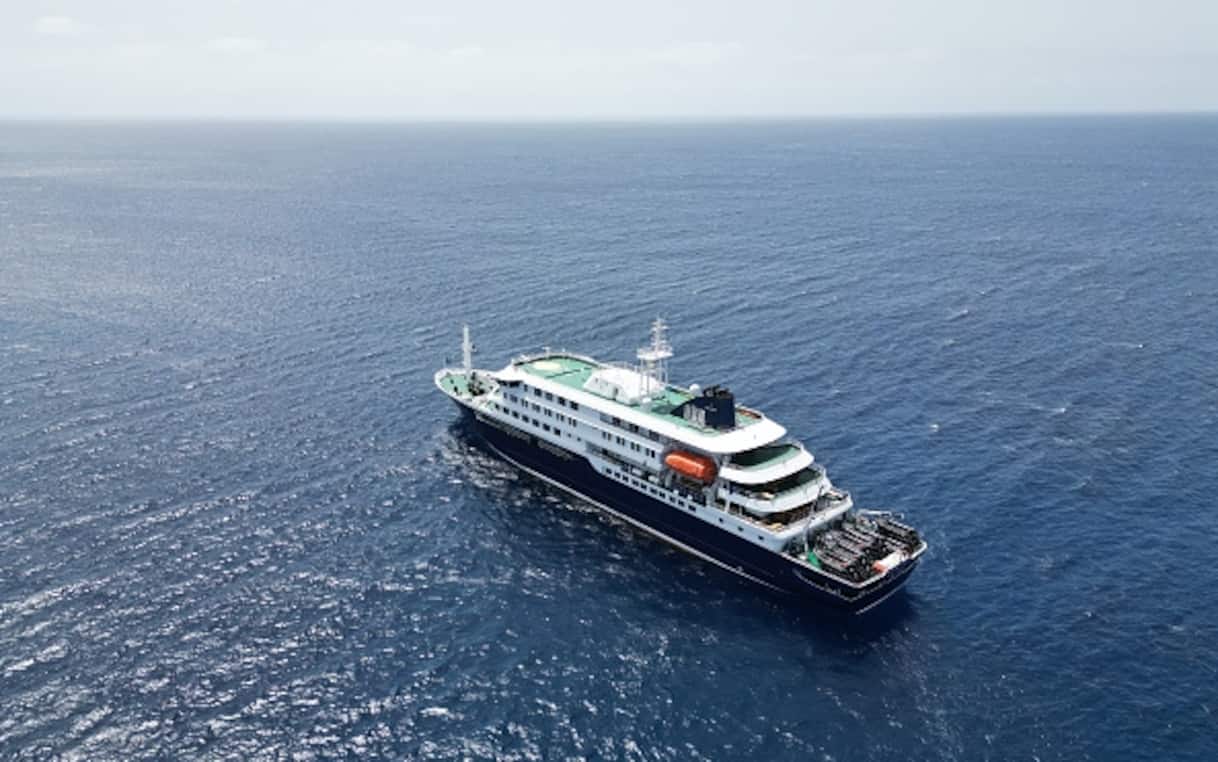
BERLIN, Germany — The MV Hondius, a Dutch cruise ship that became the focal point of a hantavirus outbreak earlier this year, has resumed commercial operations following a period of heightened scrutiny and public health measures. While the ship’s return to service marks a technical victory for Dutch maritime authorities and the European Union, the incident has raised critical questions about hantavirus transmission, cruise ship safety protocols and the EU’s ability to coordinate rapid responses to emerging health threats. Here’s what we know—and what it means for travelers and global health.
Hantavirus, a family of viruses spread primarily through rodent urine, droppings, or saliva, is rarely transmitted person-to-person but can cause severe respiratory illness. The outbreak aboard the MV Hondius—operated by Holland America Line, a subsidiary of Carnival Corporation—was initially reported in May 2024, though the exact number of confirmed cases remains unclear due to varying reporting standards across EU member states. Dutch health officials confirmed at least 12 cases linked to the ship, with symptoms ranging from mild flu-like illness to severe pulmonary syndrome, according to the National Institute for Public Health and the Environment (RIVM). The ship was quarantined in Rotterdam for 10 days while disinfection and epidemiological investigations were conducted.
The MV Hondius’s return to service follows a three-week delay, during which the EU’s Health Emergency Preparedness and Response Authority (HERA) dispatched an experimental antiviral treatment to the Netherlands, France, and Spain as a precautionary measure. While the drug—ribavirin, typically used off-label for hantavirus—was not deployed aboard the ship, its allocation underscored the EU’s proactive stance in managing cross-border health threats. “This was a rare but critical test of our rapid-response mechanisms,” said European Commissioner Stella Kyriakides in a statement. “Cruise ships operate in international waters, and outbreaks can quickly become regional crises.”
How Did the Outbreak Occur?
Initial investigations by Dutch and EU health agencies pointed to contaminated food supplies as the likely source of the outbreak, though rodent infestation aboard the ship cannot be ruled out. Hantavirus is not typically spread through casual contact, but outbreaks on enclosed vessels—where ventilation systems can circulate airborne particles—pose unique risks. “The confined environment of a cruise ship amplifies the potential for aerosol transmission,” explained Dr. Maria Van Kerkhove, WHO’s technical lead for hantavirus, in a recent briefing. “This is why ships must adhere to strict sanitation protocols during port stops.”

Crucially, the MV Hondius had docked in three EU ports—Rotterdam (Netherlands), Le Havre (France), and Barcelona (Spain)—before symptoms emerged among passengers. Under EU Regulation 109/2013 on maritime disease reporting, ship operators are required to notify port authorities of any suspected infectious disease outbreaks within 24 hours. However, delays in reporting—whether due to misdiagnosis or operational secrecy—have been cited in past cruise-related outbreaks, including the 2020 norovirus incidents in the Mediterranean.
EU’s Response: Coordination and Controversy
The EU’s involvement in the MV Hondius case highlighted both strengths and gaps in its EU4Health program, which allocates €5.3 billion to strengthen public health systems. While HERA’s rapid deployment of ribavirin demonstrated cross-border solidarity, critics argue that the EU lacks a unified cruise ship health protocol. “The current system relies on voluntary reporting from member states,” said MEP Catherine Stihler, a public health advocate. “We need binding standards, not just guidelines.”

Meanwhile, the U.S. Centers for Disease Control and Prevention (CDC) has not issued a travel warning for the MV Hondius, though it advises passengers on cruise ship health risks to monitor for symptoms like fever, fatigue, and respiratory distress. The ship’s operator, Holland America Line, has stated that all cabins and public areas underwent pesticide treatment and deep cleaning prior to resuming operations. “We’ve implemented additional rodent-proofing measures and enhanced ventilation protocols,” a company spokesperson told World Today Journal.
What This Means for Travelers and Public Health
The MV Hondius incident serves as a case study in global health vulnerabilities at a time when cruise travel is rebounding post-pandemic. With 25 million passengers expected to embark on cruises in 2024 (CLIA report), the risks of emerging infectious diseases are magnified. Here’s what experts recommend:
- Monitor symptoms: Hantavirus symptoms can appear 1–3 weeks after exposure. Seek medical attention if you experience fever, chills, muscle aches, or shortness of breath within 30 days of travel.
- Check cruise lines’ health policies: Some operators now require pre-boarding health screenings and provide real-time air quality updates.
- Report outbreaks promptly: If you suspect an illness linked to a cruise, notify EU health authorities or your national public health agency immediately.
Next Steps: What’s Being Done?
The EU’s Health Security Committee is scheduled to review cruise ship health protocols in October 2024, with a focus on:

- Mandatory pre-departure health declarations for all crew and passengers.
- Stricter rodent control audits during port inspections.
- A pan-European alert system for infectious disease outbreaks aboard ships.
In the meantime, the MV Hondius is set to embark on a 7-day Mediterranean itinerary departing from Rotterdam on September 15, 2024, with stops in Barcelona and Naples. Dutch health officials have emphasized that the ship poses no immediate risk, but they are maintaining enhanced surveillance for any new cases.
Key Takeaways
- The MV Hondius is the first Dutch cruise ship linked to a hantavirus outbreak in over a decade, with at least 12 confirmed cases.
- The EU’s rapid deployment of ribavirin highlights its role in coordinating cross-border health responses, though critics call for binding cruise ship safety laws.
- Travelers should remain vigilant for hantavirus symptoms and check their cruise line’s health protocols before booking.
- The EU is expected to propose stricter maritime health regulations by late 2024, potentially affecting all European cruise operators.
As the MV Hondius resumes its voyages, the incident underscores a broader truth: in an era of global travel, no ship—or nation—is immune to infectious disease risks. For now, the focus remains on prevention, transparency, and swift action. If you’re planning a cruise, stay informed, and don’t hesitate to report any health concerns to authorities. Your vigilance could help prevent the next outbreak.
Have you traveled on a cruise recently? Share your experience in the comments—or let us know if you’d like updates on EU’s new maritime health rules. Follow World Today Journal for the latest in global health and travel safety.