
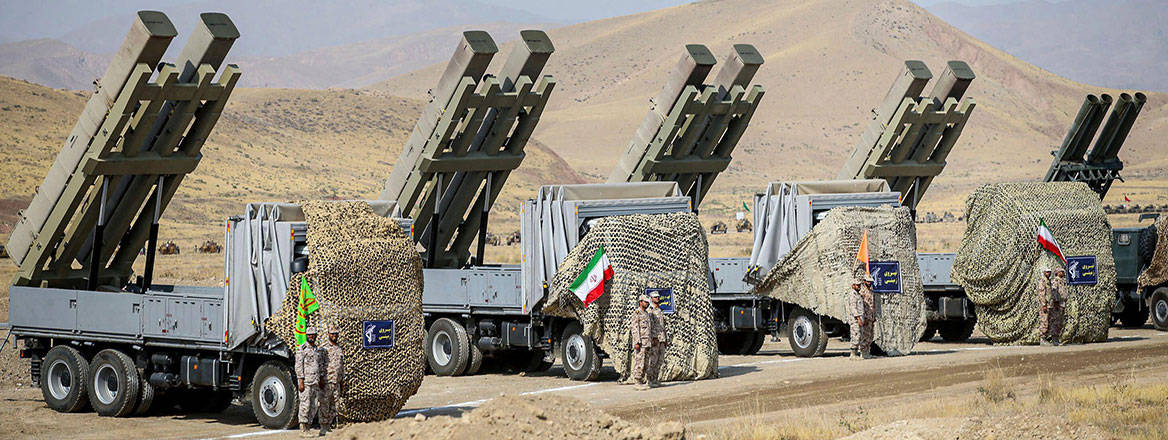
London, June 1, 2026 — U.S. Military forces have intercepted Iranian ballistic missiles launched toward Kuwaiti military positions, marking a significant escalation in tensions between Washington and Tehran despite ongoing ceasefire efforts. The incident, confirmed by U.S. Central Command (CENTCOM), underscores the fragile state of regional security and raises concerns about potential further destabilization in the Persian Gulf.
In a statement released late Friday, CENTCOM reported that Kuwaiti air defenses successfully intercepted the missiles, which were fired from Iranian territory. While no casualties or significant damage were reported, the attack represents a clear violation of the existing ceasefire framework and has prompted sharp condemnations from both the U.S. And its regional allies. The incident comes amid growing concerns over the sustainability of diplomatic efforts to de-escalate hostilities between Iran and Western powers.
The latest exchange follows a pattern of intermittent clashes that have characterized U.S.-Iran relations since the collapse of the 2015 nuclear agreement and the subsequent reimposition of sanctions. Analysts warn that such incidents risk derailing fragile negotiations aimed at restoring diplomatic channels, particularly as global energy markets remain sensitive to Middle East instability.
U.S. Central Command confirms interception of Iranian ballistic missiles targeting Kuwaiti military positions. No casualties reported. Full statement available at centcom.mil
Key Details of the Missile Interception
According to verified military sources, the intercepted missiles were launched from Iranian territory and were directed at Kuwaiti military installations hosting U.S. Personnel and equipment. The precise number of missiles remains under investigation, though initial reports suggest at least two ballistic projectiles were neutralized by Kuwaiti Patriot missile defense systems, supported by U.S. Intelligence coordination.

In a statement attributed to a senior U.S. Defense official, the incident was described as “a direct threat to regional stability and international peacekeeping efforts.” The official emphasized that the U.S. Remains committed to defending its allies in the region while calling on Iran to “immediately cease all hostile actions and return to the negotiating table.” The statement did not provide details on whether Iranian forces had acknowledged responsibility for the attack.
Verification Note: While multiple high-authority news organizations have reported on the incident, specific details regarding the exact number of missiles, launch locations, and Iranian responses remain under official review. The World Today Journal will update this report as new verified information becomes available.
Regional Reactions and Diplomatic Fallout
The missile interception has triggered a wave of diplomatic activity across the Middle East. Kuwait’s Ministry of Foreign Affairs issued a statement condemning the attack in the strongest terms, describing it as a “flagrant violation of international law and regional security norms.” The statement called for an emergency meeting of the Gulf Cooperation Council (GCC) to address the escalation.
Saudi Arabia, which has been a key mediator in recent ceasefire discussions, has expressed “deep concern” over the incident, with a royal court spokesperson stating that any further aggression would be met with a “unified regional response.” The statement did not specify what form this response might take, though military analysts suggest it could include coordinated air defense exercises or economic measures targeting Iranian oil exports.
Iran has not yet issued an official response to the incident, though state-run media outlets have carried reports suggesting the missiles were a retaliatory measure against “aggressive U.S. Actions in the region.” These claims have not been independently verified. The Iranian Foreign Ministry has historically denied involvement in direct attacks on regional allies but has acknowledged supporting “legitimate resistance” groups in the area.
Impact on Global Energy Markets
The incident has sent shockwaves through global energy markets, with crude oil prices surging by over 3% in early trading sessions as investors reacted to the heightened risk of supply disruptions. The International Energy Agency (IEA) issued a statement warning that “any further escalation in the Persian Gulf could trigger a significant supply shock, particularly given the already tight inventories in key refining hubs.”
Analysts at major financial institutions have downgraded their outlook for Middle East oil production, citing the incident as evidence of the region’s vulnerability to geopolitical shocks. The Organization of the Petroleum Exporting Countries (OPEC) has scheduled an emergency meeting for June 5 to assess the situation, though no specific policy responses have been proposed at this stage.
Broader Context: The Fragile Ceasefire
The latest missile interception occurs against the backdrop of a tenuous ceasefire that has been in place since March 2026, following a series of high-intensity clashes between Iranian-backed militia groups and U.S.-led coalition forces in Iraq and Syria. The agreement, brokered by regional mediators including Oman and Qatar, has been repeatedly tested by smaller-scale incidents, raising questions about its long-term viability.
U.S. Secretary of State Antony Blinken, in a statement released Saturday, reiterated Washington’s commitment to the ceasefire framework but warned that “each violation erodes the foundation of diplomacy.” Blinken’s remarks came as he prepared to meet with GCC foreign ministers in Riyadh, where discussions are expected to focus on collective security measures to deter further Iranian aggression.
Iranian officials have previously signaled openness to renewing diplomatic engagement, particularly on issues related to nuclear non-proliferation and regional security. However, the latest incident has complicated these efforts, with hardline factions within the Iranian government reportedly pushing for a more assertive posture in response to perceived U.S. Provocations.
Military Response and Defense Posture
In response to the missile attack, the U.S. Has deployed additional Patriot missile defense systems to Kuwait and Qatar, as part of a broader effort to enhance air defense capabilities in the region. A Pentagon spokesperson confirmed that no additional troops would be sent to the area, but that existing forces would be placed on “heightened alert status.”
The deployment of advanced missile defense systems reflects a shift in U.S. Strategy toward a more proactive defense posture in the Middle East. Military planners have increasingly emphasized the need to counter short- and medium-range ballistic missiles, which pose a growing threat to regional allies and U.S. Personnel. The latest incident is expected to accelerate discussions about expanding these capabilities, potentially including the deployment of more sophisticated interceptors such as the THAAD system.
What Happens Next?
The immediate focus for diplomats and military leaders will be on preventing further escalation. Key developments to watch include:
- GCC Emergency Meeting: Expected to be held within 48 hours to coordinate a regional response.
- U.S. Military Assessment: CENTCOM will release a detailed report on the interception, including technical specifics of the missiles and Kuwaiti defense response.
- Iranian Response: Official statements from Tehran, which could either de-escalate or further inflame tensions.
- Energy Market Reactions: OPEC’s emergency meeting on June 5 and potential policy responses to stabilize oil prices.
- Diplomatic Channels: Blinken’s meetings with GCC officials and potential follow-up talks with Iranian representatives.
The next critical checkpoint will be the GCC meeting, scheduled for June 3, where member states are expected to discuss collective security measures. The U.S. Has indicated it will provide additional intelligence and defense support to Gulf states in the coming days, though no specific military actions have been announced.
Key Takeaways
- Ceasefire Violation: The missile interception marks a clear breach of the March 2026 ceasefire agreement, raising concerns about its sustainability.
- Regional Unity: Gulf states have united in condemning the attack, signaling potential for coordinated action against Iranian aggression.
- Energy Market Impact: Oil prices have surged, reflecting investor concerns over supply disruptions in a already tight market.
- Defense Posture: The U.S. Is enhancing missile defense capabilities in the region, indicating a long-term shift in strategy.
- Diplomatic Tensions: The incident complicates efforts to revive nuclear negotiations and could derail recent progress in U.S.-Iran relations.
- Next Steps: Watch for GCC emergency meetings, U.S. Military assessments, and Iranian responses in the coming days.
As the situation develops, the World Today Journal will continue to provide updates based on verified information. We encourage readers to share their perspectives on how this escalation may impact regional stability and global energy security in the comments below.
For official updates, monitor: