The global race to modernize naval fleets has intensified as Ottawa moves forward with the Canadian Patrol Submarine Project (CPSP), a massive defense initiative aimed at replacing the Royal Canadian Navy’s aging Victoria-class vessels. Among the primary contenders positioning themselves for this significant contract is Hanwha Ocean, which has been aggressively highlighting its technological capabilities on the international stage. As nations look to bolster their maritime sovereignty, the competition for the Canadian order has become a bellwether for the shifting dynamics of the global defense industrial base.
For Hanwha Ocean, the strategy is clear: position its Jang Bogo-III (KSS-III) class submarines as a proven, cost-effective solution for Canada’s specific operational requirements. The company’s recent activities at major defense exhibitions reflect a broader effort to demonstrate that South Korean naval technology can meet the rigorous standards demanded by the Five Eyes intelligence alliance and NATO partners. With the Canadian government signaling an intent to acquire up to 12 new submarines, the stakes for international shipbuilders are exceptionally high, with the project’s total value estimated to reach tens of billions of dollars, according to reports from the Canadian Broadcasting Corporation regarding the long-term capital investment requirements for naval renewal.
Strategic Positioning in the Canadian Patrol Submarine Project
The Canadian Patrol Submarine Project is not merely a procurement exercise; it represents a fundamental shift in Canada’s approach to Arctic and Pacific security. As the ice caps recede, the strategic importance of the Northwest Passage has grown, necessitating a submarine fleet capable of sustained, long-range patrols in challenging underwater environments. Hanwha Ocean is leaning heavily into its experience with Air-Independent Propulsion (AIP) systems, which allow conventional submarines to remain submerged for significantly longer periods than traditional diesel-electric models.

By showcasing these technical advantages, Hanwha Ocean aims to address the specific “reach” requirements of the Canadian military. The company’s leadership, including President and CEO Kim Hee-chul, has emphasized the importance of building robust industrial partnerships within Canada. This “Team Canada” approach—where foreign contractors commit to domestic manufacturing and technology transfer—is a prerequisite for winning major defense contracts in the current political climate. The Canadian government’s National Shipbuilding Strategy remains the primary framework governing how these large-scale projects are managed, prioritizing domestic economic benefits alongside military capability.
The Competitive Landscape and Technological Edge
Hanwha Ocean faces stiff competition from established European and regional players, including France’s Naval Group, Germany’s ThyssenKrupp Marine Systems (TKMS), and Sweden’s Saab. Each competitor is vying to prove that their platform offers the best balance of stealth, endurance, and integration with existing Canadian naval infrastructure. The Jang Bogo-III platform, specifically the Batch-II variant, is often cited by analysts for its vertical launch system (VLS) capabilities, which provide a potent deterrent capability that is highly attractive for modern naval doctrine.
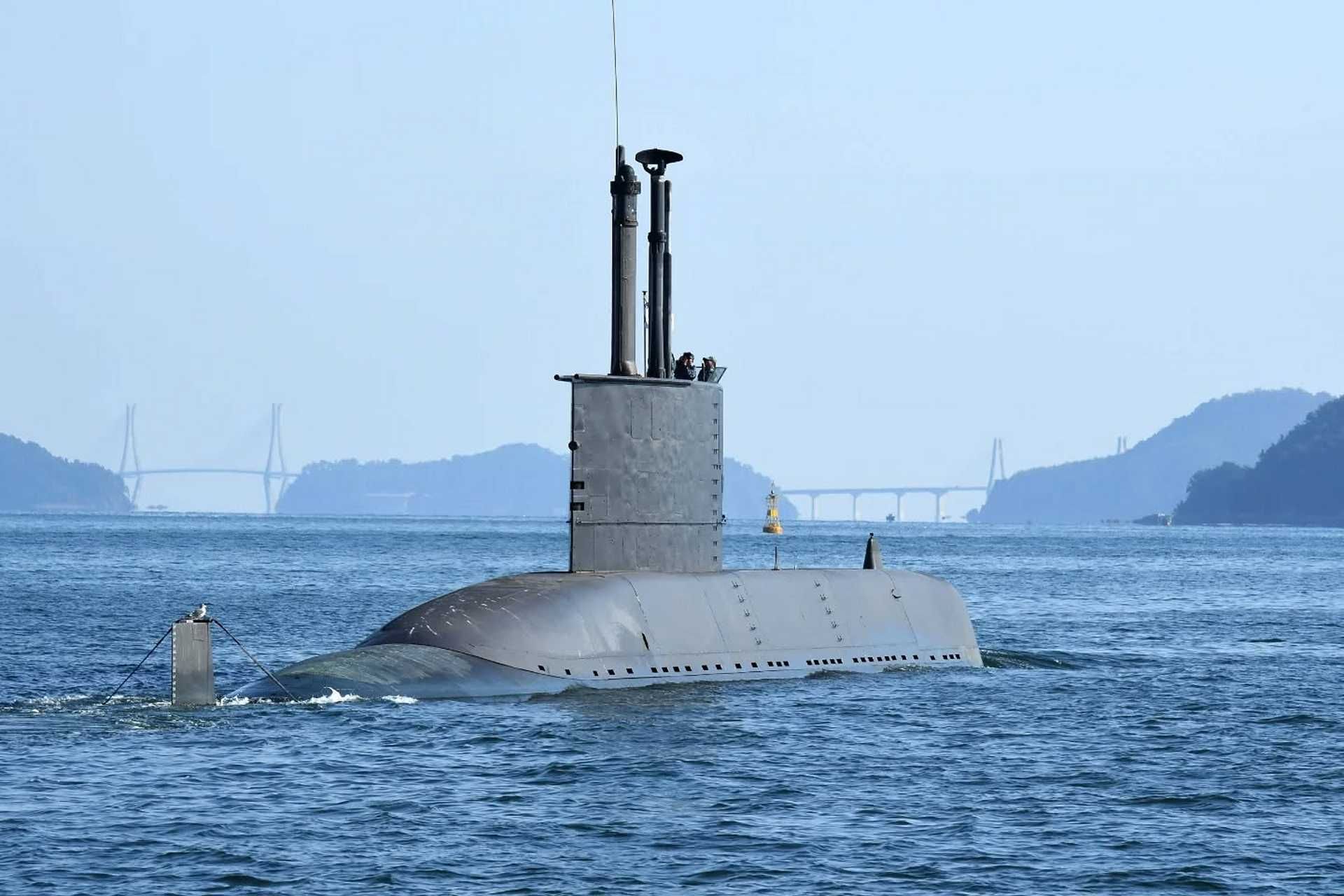
the integration of Lithium-ion battery technology into modern submarine designs has become a critical differentiator. Hanwha Ocean has invested heavily in these energy storage solutions to enhance the underwater endurance of its vessels. As the Canadian Department of National Defence continues to refine its Request for Information (RFI) processes, the ability of bidders to demonstrate not just the hardware, but the long-term supportability and supply chain resilience, will be the decisive factor in the final selection process, as detailed in official updates from the Department of National Defence regarding the submarine project timeline.
Navigating Geopolitical and Industrial Challenges
The path to a final contract award is fraught with complexity. Beyond the technical requirements, the CPSP must navigate the intricate web of Canadian domestic policy, which emphasizes the “Industrial and Technological Benefits” (ITB) policy. This policy requires that bidders invest in the Canadian economy, often through local partnerships and the development of a skilled domestic workforce. For a South Korean entity like Hanwha Ocean, establishing deep-rooted relationships with Canadian shipyards and engineering firms is as important as the performance of the submarines themselves.
Market observers note that the geopolitical alignment between South Korea and Canada—both key allies of the United States—provides a favorable backdrop for such a partnership. However, procurement cycles of this magnitude are notoriously unhurried and subject to political shifts. With a federal election on the horizon in Canada, the timeline for the CPSP remains fluid. The government has indicated that it is currently in the early stages of a multi-year process, emphasizing that no final decisions have been made regarding the specific design or the primary contractor.
Looking Ahead: The Next Phase of Procurement
As the dialogue between industry and government continues, the focus will shift toward the formal Request for Proposals (RFP) stage. This will be the moment of truth for Hanwha Ocean and its competitors, as they provide binding commitments on costs, delivery schedules, and industrial participation. For the Royal Canadian Navy, the goal is to ensure a seamless transition from the legacy Victoria-class fleet to a modern, capable force that can operate effectively until the latter half of the 21st century.
The next major milestone for the CPSP will be the issuance of a formal, competitive RFP, which the Canadian government has suggested could arrive in the coming years as part of the broader Strong, Secure, Engaged defense policy framework. Stakeholders, including defense contractors and Canadian industry partners, are expected to watch closely for any revisions to the project scope or changes in the government’s budgetary outlook. As this story develops, we will continue to monitor the intersection of maritime policy, industrial strategy, and international security.
What are your thoughts on the modernization of the Canadian submarine fleet? Join the conversation in the comments section below and share this article to keep the discussion going.
Worth a look