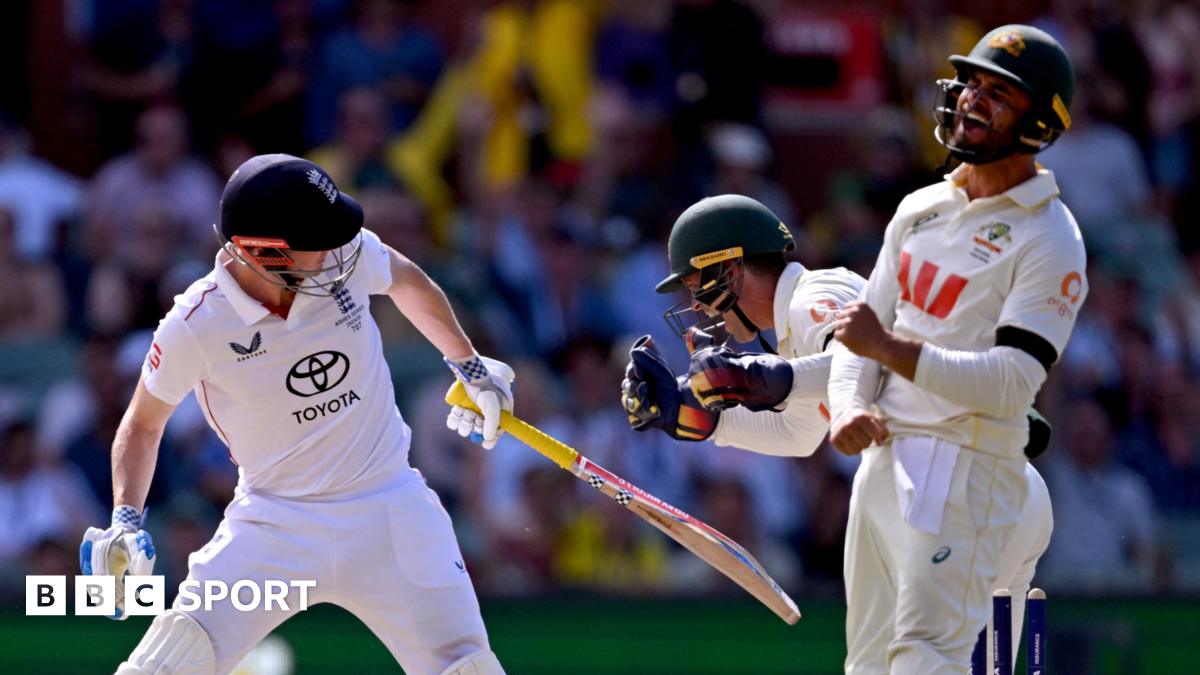
Navigating Risk and Reward: Analyzing Harry Brook’s Dismissal and England’s bold Strategy
Harry Brook‘s dismissal sparked debate, but focusing solely on that moment overlooks a larger, more nuanced narrative unfolding on a challenging pitch. It’s crucial to understand the context of England’s approach and the pressures they faced against a relentless Nathan Lyon. This wasn’t simply a case of a batsman playing a risky shot; it was a calculated gamble within a broader strategic framework.
The Challenge of a Turning Pitch
Simply blocking your way through five sessions against Lyon on a turning surface was, realistically, an impossible task. England recognized this. They understood that passive defense would only lead to mounting pressure and eventual collapse. Therefore,a proactive approach was essential.
Brook himself articulated the need to deflect pressure, score runs, and force field changes. This required taking the initiative, even if it meant embracing calculated risks.
The Reverse Sweep: A Deliberate Tactic
The reverse sweep wasn’t a spontaneous decision,but a carefully considered element of england’s plan. Several batsmen – brook, crawley, Root, and Jacks – employed the shot a remarkable 20 times on saturday afternoon.
* It yielded 29 runs, disrupting Lyon’s rhythm.
* It briefly removed Lyon from the attack, providing temporary relief.
* It forced Australia to adjust their field settings, creating scoring opportunities.
This wasn’t reckless abandon; it was a deliberate attempt to neutralize Lyon’s dominance and wrest control of the game.
Brook’s Dismissal: A Moment of Miscalculation
While the reverse sweep proved effective Brook’s eventual dismissal was undeniably a misjudgment. He was guilty of attempting the shot to a ball that wasn’t ideally suited for it.
Though,it’s critically important to remember that all reverse sweeps are,by their nature,pre-meditated. Lyon, a master craftsman with 567 Test wickets, subtly adjusted his length and line. He pushed the ball straighter, exploiting a potential weakness.
Perhaps Brook’s three consecutive attempts shortly before, against Travis Head, tipped off Lyon to his intentions. This could be considered his biggest misstep.
A Pattern and a Need for Repayment
Brook’s history doesn’t necessarily work in his favor. He needs to demonstrate consistent performance for England in the coming matches. He must repay the faith shown in him, notably after a relatively quiet start to the series.
However, this particular dismissal, given the circumstances, might be one to accept and move forward from.It’s a reminder that even the most skilled players are susceptible to errors in judgment, especially when operating under intense pressure.
Expert Perspective: A Legitimate Tactic
Experienced observers agree that England’s approach was justified. Jonathan Agnew of BBC Test Match Special emphasized the legitimacy of the tactic, noting the spinning conditions and the need to avoid becoming predictable targets for close-in fielders.
Even Alex Carey, the Australian wicketkeeper, offered a sympathetic assessment. He acknowledged Brook’s success with the reverse sweep and the overall effectiveness of the tactic employed by the England team.
Looking Ahead
You, as a cricket enthusiast, understand that Test cricket is a game of constant adaptation and calculated risk. England’s strategy wasn’t without its flaws, but it was a bold attempt to counter a formidable opponent on a challenging surface.
Ultimately, Brook’s dismissal shouldn’t overshadow the broader picture. It’s a learning opportunity, a reminder of the fine margins in Test cricket, and a testament to the relentless pressure faced by modern batsmen. England will need to learn from this, but abandoning a proactive approach would be a greater mistake.
Keep reading