
Tottenham Hotspur’s defensive stability faces a significant test as club captain Cristian Romero faces an extended absence due to a knee injury sustained during their recent defeat at Sunderland. The Argentine centre-back was substituted in tears during the 1-0 loss, raising immediate concerns about his availability for the remainder of the season and potential implications for the club’s Premier League survival bid.
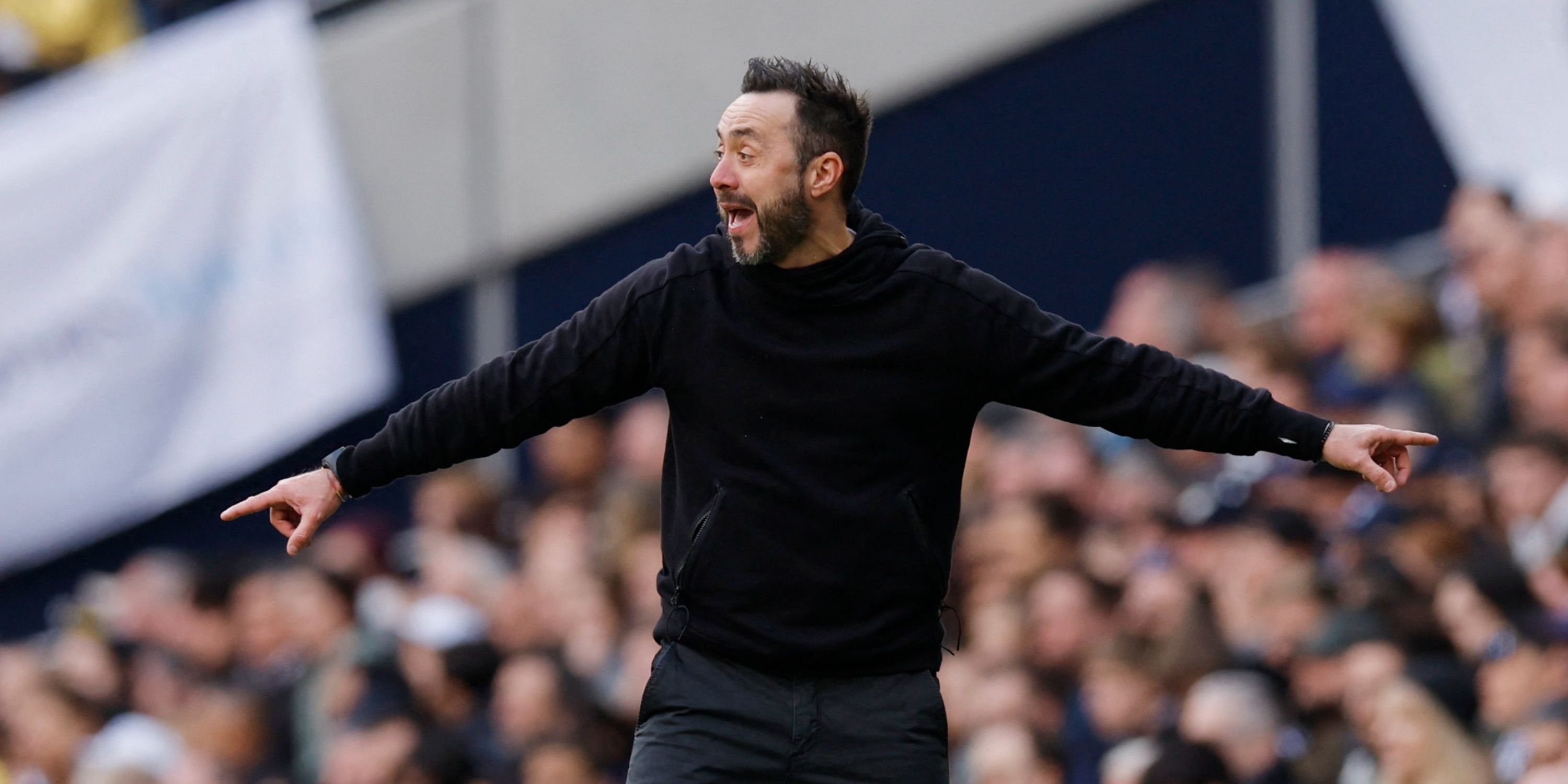
The injury occurred just after the hour mark when Romero was shoved forward by Sunderland striker Brian Brobbey into goalkeeper Antonin Kinsky although attempting to defend the ball. Both players required lengthy treatment on the pitch, with Romero visibly distressed as he left the field. His absence represents a major blow for newly appointed head coach Roberto De Zerbi, who had only recently taken charge and identified Romero as a crucial component of his defensive plans.
Medical assessments have since confirmed the severity of the issue. According to reports from the BBC, Romero is now expected to miss up to eight weeks with a high-grade partial tear of his medial cruciate ligament. This timeline effectively rules him out for the remainder of the domestic season, with only six league games remaining for Tottenham as they battle to avoid relegation.
The timing compounds Tottenham’s precarious position in the league table. Currently sitting 18th in the Premier League, the club is just two points above the relegation zone with West Ham United occupying the 17th position that would currently see them survive. With six games left to play, every point becomes critical in their fight to maintain top-flight status.
Impact on Tottenham’s Relegation Battle
Romero’s absence creates an immediate void in Tottenham’s defensive organization. Since joining the club, the Argentine international has established himself as a leader at the back, making over 150 appearances across all competitions. His physical presence, aerial ability, and aggressive defending have been integral to Tottenham’s defensive structure throughout the season.
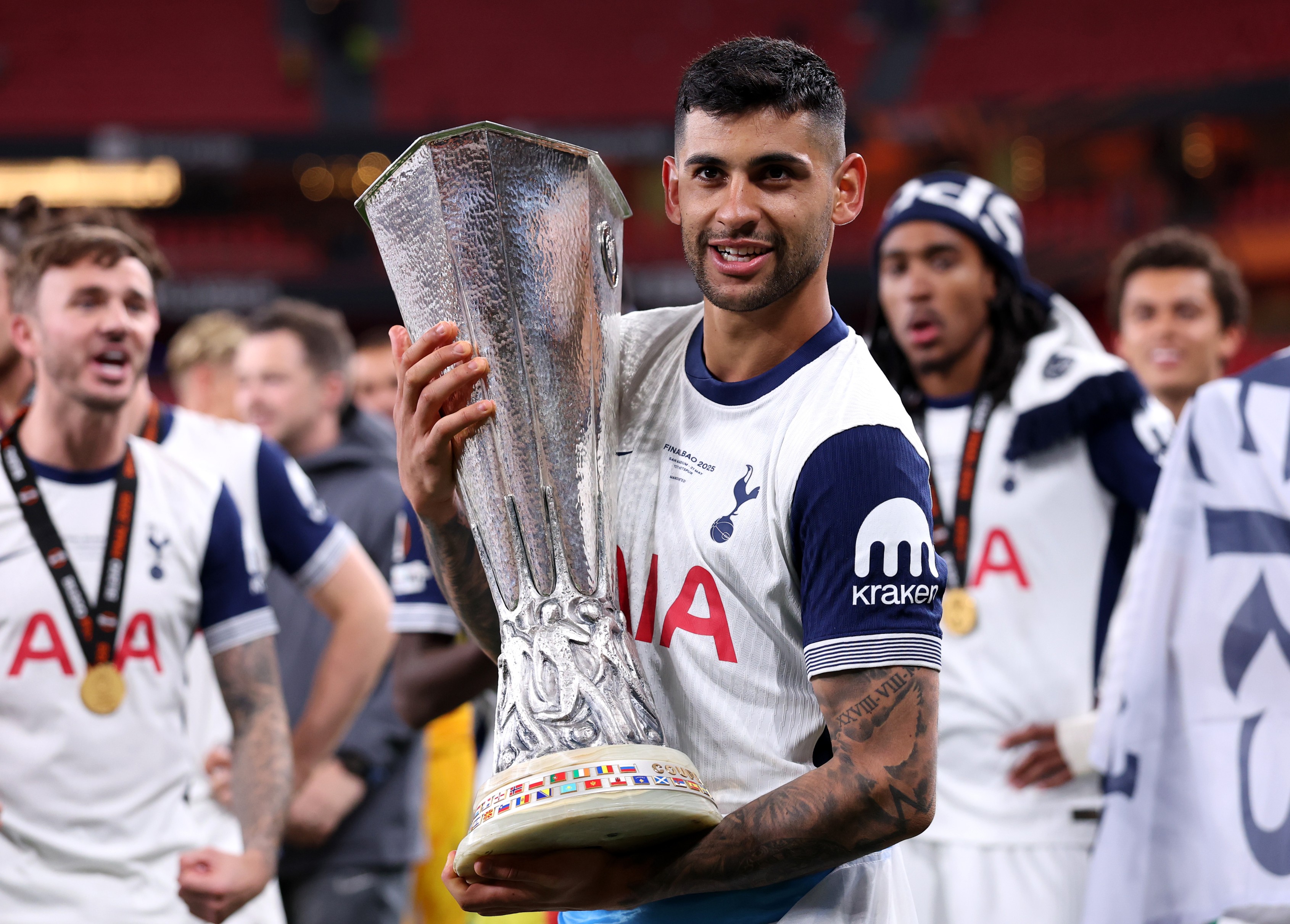
Without their captain, Tottenham must rely on alternative options in central defence. The club has Radu Dragusin available, who was seen consoling Romero in the tunnel following his injury and has previously spoken about his own experiences with significant knee problems after suffering an anterior cruciate ligament injury last season. Young defender Archie Gray may see increased opportunities, though his relative inexperience at this level could be a concern during such a critical period.
The defensive challenge is further complicated by other injury concerns within the squad. Reports indicate that forward Mohammed Kudus suffered a fresh quadriceps injury earlier in the week, adding to De Zerbi’s personnel headaches as he attempts to navigate his first weeks in charge.
For Romero personally, the injury raises questions about his availability for Argentina’s upcoming Copa America tournament. While club confirmation states his season is over, there remains uncertainty regarding his potential recovery timeline for international duty later this summer. Reports suggesting he might return in time for the World Cup have been deemed inaccurate by multiple sources, given that the next men’s FIFA World Cup is not scheduled until 2026.
De Zerbi’s Early Challenges
The injury represents one of the first significant challenges for Roberto De Zerbi since taking over as Tottenham’s head coach. In his post-match comments following the Sunderland defeat, De Zerbi acknowledged Romero’s importance to the team, describing him as “a good player with a big personality” and emphasizing his role as “a crucial player for Spurs.”
De Zerbi’s tactical approach typically relies on a high defensive line and aggressive pressing, which places significant demands on central defenders to be comfortable in one-on-one situations and possess the pace to recover when caught out. Adapting these principles without his established defensive leader will require adjustments from both the coaching staff and remaining players.
The Italian coach has previously demonstrated success in developing defensive cohesion at his former clubs, but implementing his philosophy mid-season with key personnel unavailable presents a unique test of his man-management and tactical flexibility.
Looking Ahead
As Tottenham enters the final stretch of the season, their focus will remain on securing enough points to avoid relegation. The club’s upcoming fixtures include matches against teams both above and below them in the table, with each game carrying heightened importance in the survival battle.
For Romero, the immediate priority is recovery and rehabilitation. While the eight-week timeline suggests he may be available for pre-season preparations ahead of the 2026-27 campaign, the exact nature of his rehabilitation process and any potential setbacks will determine his availability for future club and international commitments.
The situation underscores the fine margins in Premier League competition, where the loss of a single key player can significantly alter a team’s trajectory during a critical phase of the season. How Tottenham adapts to this challenge will likely play a decisive role in determining whether they remain in England’s top division for another year.
As the situation develops, fans and observers will be watching closely to see how Tottenham responds to this adversity and whether they can secure the results necessary to achieve their primary objective of staying in the Premier League.
Related reading