
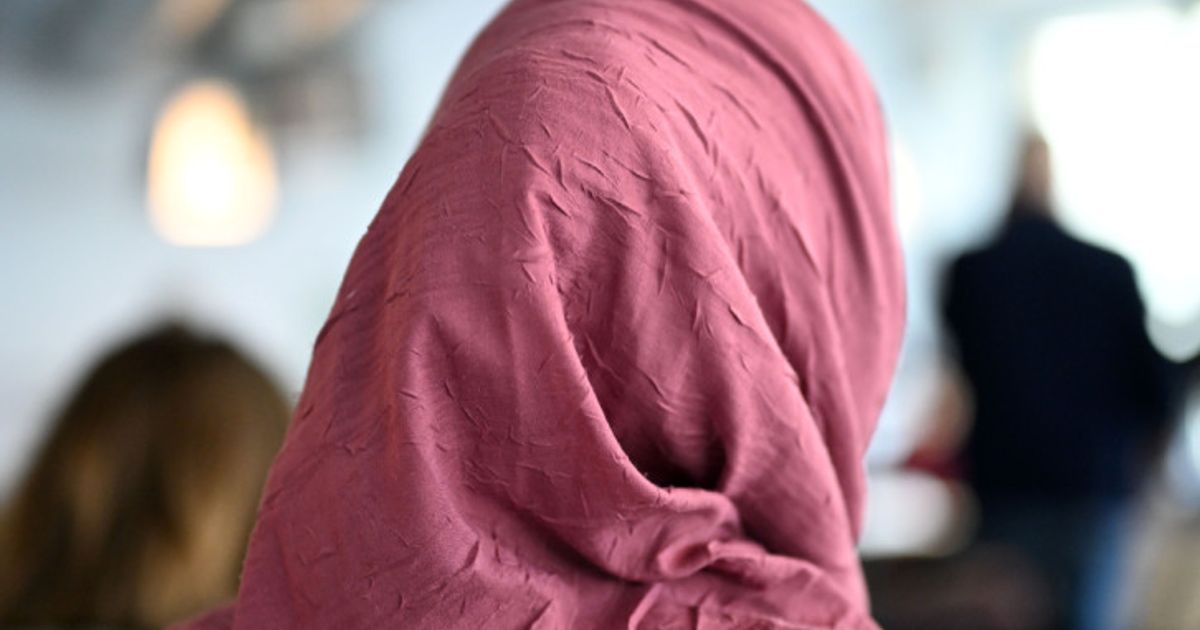
Educational institutions across Austria are voicing significant concerns as the government prepares to enforce a controversial headscarf ban for girls under the age of 14. The move, which is set to take effect in September 2026, has sparked a wave of apprehension among school administrators and educators who fear the policy will create untenable tensions within the classroom and potentially violate fundamental constitutional rights.
The policy is rooted in a legislative effort described by the government as a means to strengthen the self-determination of underage girls. However, the impending deadline has left many school directors worried about the practical “sharpening” (Scharfstellen) of the ban—the transition from legal theory to strict daily enforcement. Educators argue that the mandate places them in the difficult position of policing religious attire, potentially alienating students and damaging the trust essential for a productive learning environment.
At the center of the storm is the Ministry of Education, Youth and Integration. Federal Minister Claudia Bauer has recently reaffirmed her commitment to the ban during meetings with representatives of legally recognized churches and religious societies, signaling that the government does not intend to retreat despite growing institutional pushback according to reports from religion.ORF.at.
The legal foundation for this move is identified as § 43a of the School Education Act (Schulunterrichtsgesetz – SchUG), as detailed in official government circulars issued to all Austrian schools via the BMBWF circular database. This specific regulatory framework aims to standardize the prohibition of headscarves for students under 14, a move that critics argue ignores the nuance of individual religious freedom and the diversity of the modern Austrian student body.
Legal Challenges and the Question of Constitutionality
The government’s stance is facing a rigorous legal challenge. A fresh legal opinion commissioned by the Islamic Religious Community in Austria (IGGÖ) has concluded that the headscarf ban is unconstitutional. The report argues that the regulation, scheduled for implementation in September 2026, violates the mandate of religious and ideological neutrality.
According to a report by the Austria Press Agency (APA), the IGGÖ-funded legal analysis suggests that by specifically targeting a religious symbol, the state is failing to maintain the neutrality required by the constitution as detailed by religion.ORF.at. This legal friction creates a precarious situation for school principals: they are being ordered by the ministry to enforce a rule that legal experts suggest may be legally invalid.
The debate hinges on whether the ban protects girls from societal or familial pressure—the government’s stated goal of “strengthening self-determination”—or whether it constitutes an overreach of state power into the private lives and religious expressions of minors. For many in the education sector, the lack of a clear, constitutionally sound mandate makes the prospect of enforcement a professional and ethical minefield.
Impact on the School Community
The concerns expressed by schools are not merely legal but deeply social. Educators have warned that the enforcement of the ban could lead to several negative outcomes:
- Marginalization: Students who wear the headscarf may feel targeted or excluded, leading to a decrease in school engagement and a rise in psychological stress.
- Administrative Burden: School directors are tasked with the “sharpening” of the ban, which involves monitoring student attire and managing the subsequent conflicts with parents.
- Classroom Conflict: There is a fear that the ban will fuel polarization among students, potentially leading to bullying or social fragmentation based on religious identity.
The tension is further amplified by the timing. With the 2026 deadline approaching, schools are being asked to prepare for a transition that many believe is destined for the courts. The discrepancy between the Ministry’s firmness and the legal warnings from the IGGÖ has left school boards in a state of uncertainty.
The Government’s Position: “Self-Determination”
The Austrian government maintains that the ban is a protective measure. By prohibiting the headscarf for girls under 14, the Ministry argues It’s creating a space where young girls can develop their own identity and autonomy without being subjected to external religious pressures. This philosophy is embedded in the Federal Law for Strengthening the Self-Determination of Unmarried Girls at Schools.
However, this interpretation of “protection” is heavily contested. Critics argue that true self-determination includes the right to choose one’s religious expression and that a state-mandated ban is the opposite of autonomy. The conflict highlights a broader European struggle over the role of religion in public spaces, mirroring similar debates in France and Belgium.
Key Timeline of the Headscarf Ban Implementation
| Event/Action | Date/Timeline | Significance |
|---|---|---|
| Circular No. 1/2026 Issued | Early 2026 | Official notification to all Austrian schools regarding the implementation of § 43a SchUG. |
| Ministerial Affirmation | April 30, 2026 | Minister Claudia Bauer confirms the ban’s validity to religious leaders. |
| IGGÖ Legal Opinion Released | April 2026 | Legal analysis declares the ban unconstitutional. |
| Enforcement Deadline | September 2026 | The date by which the ban for girls under 14 is intended to be fully operational. |
What Happens Next?
As the September 2026 deadline looms, the focus shifts to the judicial system. It is widely expected that the IGGÖ or other civil rights organizations will file formal challenges with the Constitutional Court (Verfassungsgerichtshof) to block the implementation of the ban. If a preliminary injunction is granted, the “sharpening” of the ban may be paused before it ever reaches the classroom.
For now, school administrators remain in a holding pattern, caught between the directives of the Ministry of Education and the warnings of constitutional experts. The outcome will likely determine not only the dress code of Austrian schools but also the legal boundary between state neutrality and individual religious freedom in the 21st century.
The next critical checkpoint will be any potential court filings following the IGGÖ’s legal opinion, which could lead to a judicial review of § 43a of the School Education Act before the school year begins in September.
We invite our readers to share their perspectives on this issue in the comments below. Do you believe state-mandated dress codes protect student autonomy or infringe upon religious freedom?