
As the integration of artificial intelligence into clinical workflows continues to evolve, a new collaboration aims to bridge the gap between emerging technology and specialized medical practice. On June 5, 2026, Healio AI announced a formal partnership with The Holland Foundation for Sight Restoration (HFSR), a move designed to incorporate verified medical content into AI-driven clinical decision-support tools.
This partnership centers on the integration of educational materials and the fundamentals of The Cincinnati Protocol™ into the core knowledge base utilized by Healio AI. By doing so, the organizations seek to address the growing demand for reliable, evidence-based AI sources that clinicians can trust when managing complex patient cases.
Addressing the Need for Trusted Clinical AI
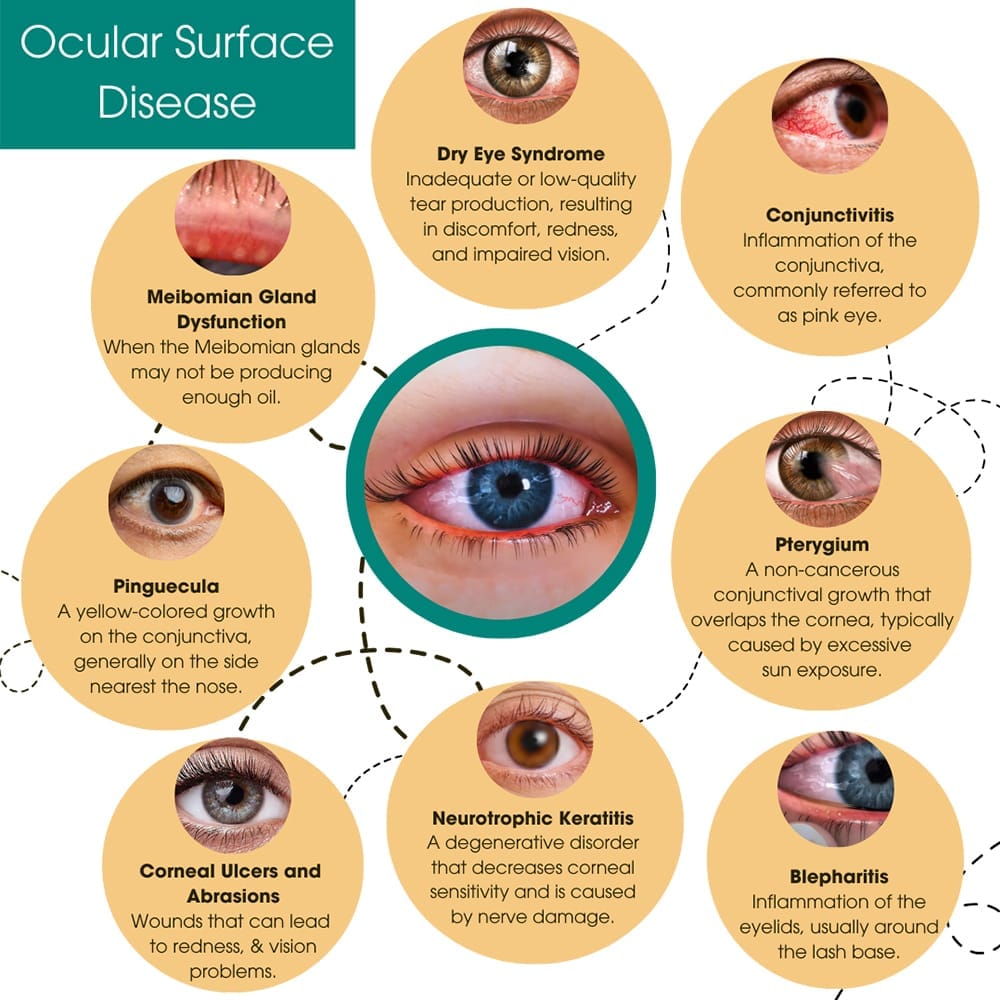
The role of AI in medicine is often scrutinized for its reliance on data that may not always reflect current clinical best practices. This collaboration attempts to mitigate those concerns by grounding the AI’s output in curated, expert-led content. The Holland Foundation for Sight Restoration, a 501(c)(3) nonprofit, is recognized for its work in supporting individuals affected by severe ocular surface disease, including conditions such as limbal stem cell deficiency (LSCD).
The foundation is led by Dr. Edward J. Holland, an ophthalmologist who has been instrumental in engineering medical and surgical standards for patients suffering from severe ocular surface pathology. By providing access to his foundation’s specialized protocols, the partnership aims to ensure that physicians using the platform are guided by established, peer-reviewed strategies.
“Staying current with the most up to date medical opinions and treatment strategies is at the essence of what it means to be a physician and use best practices to treat patients,” said Stephen S. Lane, MD, Chair of the Board of Directors for the HFSR, in a statement released by The Wyanoke Group. “Today we have wonderful tools at our fingertips to gain these insights with trusted sources of knowledge. I am happy that HFSR has partnered with Healio AI to leverage its trusted corpus of knowledge to eliminate barriers to physicians accessing the most current and comprehensive content whenever and wherever they need it.”
The Future of Evidence-Based Digital Tools
For medical professionals, the primary challenge with AI in a clinical setting remains the verification of information. Joan-Marie Stiglich, ELS, Chief AI Officer at Healio, emphasized the importance of this partnership in the current digital landscape. “Bringing a one-of-kind source to a one-of-a-kind platform is a powerful step forward for trusted clinical AI,” Stiglich noted. “In a time when trust matters more than ever, this partnership strengthens our commitment to delivering authoritative, reliable answers backed by the industry’s most respected content.”
The integration of The Cincinnati Protocol™ into the AI infrastructure is intended to provide a standardized, reliable reference point for practitioners. As the medical community navigates the transition toward more AI-augmented care, such partnerships between medical foundations and technology providers are likely to become increasingly common, serving as a safeguard against the risks of hallucinated or outdated medical advice.
What This Means for Clinicians
Clinicians and specialists who rely on Healio’s existing digital platforms for news and continuing education can expect to see these new, verified insights integrated into the AI tool as the rollout progresses. The objective is to facilitate quicker access to high-level clinical guidance without the need for exhaustive literature searches, particularly for complex cases involving ocular surface restoration.
The Holland Foundation for Sight Restoration joins a growing list of medical societies and organizations that have partnered with Healio AI to contribute their domain-specific expertise. This modular approach to building a clinical AI—where specific, verified knowledge bases are layered into a general model—represents a significant trend in health technology, prioritizing accuracy and clinical relevance over broad-spectrum data ingestion.
Looking Ahead
As of June 2026, the partnership is active, and stakeholders are monitoring the initial integration of HFSR content into the platform. Further updates regarding the availability of specific modules or expanded protocol support are expected to be announced through official channels at Healio.com/AI. As the platform evolves, the focus remains on ensuring that clinicians have the digital support necessary to maintain the highest standards of patient care in an increasingly complex medical environment.
We welcome your thoughts on the role of specialized foundations in shaping the future of clinical artificial intelligence. Please feel free to share your perspectives in the comments section below or join the conversation on our social media channels.
Worth a look