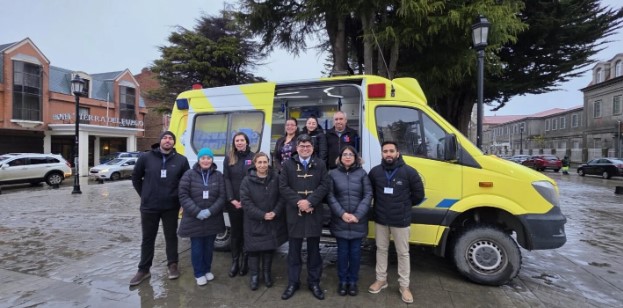
Health authorities in the Magallanes region of Chile have deployed mobile vaccination units to address a surge in respiratory illnesses, including influenza B, respiratory syncytial virus (RSV), and rhinovirus. The initiative aims to improve access to immunization for high-risk groups as seasonal temperatures decline and indoor activities increase, according to the Chilean Ministry of Health.
The Magallanes and Chilean Antarctic region has recorded an uptick in viral circulation typical of the winter season, prompting regional health officials to bolster prevention efforts. By moving vaccination services directly into communities, the local health department intends to bridge the gap for residents who may face logistical hurdles in visiting fixed primary care centers. Public health data indicates that timely vaccination remains the most effective strategy to mitigate the severity of infections and reduce pressure on regional hospital infrastructure, as noted by the Ministry of Health’s official reporting portal.
Understanding the Current Respiratory Virus Landscape
Circulation patterns in Magallanes currently reflect a mix of pathogens that circulate annually during the Southern Hemisphere’s colder months. Health experts have identified the presence of Influenza B, which often contributes significantly to seasonal outbreaks, alongside RSV—a primary cause of lower respiratory tract infections in infants and the elderly—and rhinovirus, the most common viral infectious agent in humans. According to the Pan American Health Organization, these viruses exhibit varying transmission rates depending on population density and climate conditions, making regional monitoring essential for public health management.
The decision to deploy mobile units is a tactical response to ensure that coverage targets are met before peak viral activity occurs. Medical professionals emphasize that while these viruses are endemic, the cumulative impact of concurrent infections can overwhelm local clinics. By prioritizing vaccination, officials aim to maintain “herd immunity” levels that protect those who cannot be vaccinated due to medical contraindications or age constraints, a strategy supported by the World Health Organization guidelines for seasonal influenza management.
Logistics of the Mobile Vaccination Strategy
The mobile units operate on a schedule designed to reach underserved areas and high-traffic public spaces, effectively bringing medical services to the citizen rather than requiring the citizen to seek out the clinic. This approach has been a cornerstone of Chilean public health policy during peak seasonal windows, as documented by national health regulations regarding universal immunization programs. These units are staffed by trained nursing professionals who manage cold-chain logistics, ensuring that vaccines remain potent during transport.
Residents are encouraged to verify the location and hours of these mobile units through official regional health channels. The strategy is particularly focused on vulnerable demographics, including adults over 65, individuals with chronic conditions, and children within the recommended age brackets. Accessing these services requires only a valid identification document, and the process is integrated into the national immunization registry to ensure follow-up monitoring and second-dose scheduling, where applicable.
Preventative Measures for the Community
Beyond vaccination, health authorities in Magallanes continue to advocate for non-pharmaceutical interventions to curb the spread of respiratory pathogens. These include frequent hand washing, the use of masks in high-risk environments such as medical facilities, and ensuring adequate ventilation in homes and offices. According to clinical guidance from the Charité – Universitätsmedizin Berlin, these basic hygiene practices significantly disrupt transmission chains, especially in regions experiencing extreme cold where people spend more time in closed environments.
The regional health office is expected to provide weekly updates on vaccination progress and viral circulation data throughout the remainder of the winter season. These updates serve as a primary source for residents to track the efficacy of the current campaign and receive guidance on when to seek medical attention for respiratory symptoms. For the latest official bulletins, residents should consult the Magallanes Regional Ministerial Health Secretariat website.
As the winter season progresses, health authorities will monitor the impact of these mobile interventions on hospital admission rates. Further updates on regional health policies and potential expansions of the vaccination schedule are anticipated in the coming weeks. We encourage our readers to stay informed through verified sources and share this information with those who may benefit from accessible immunization services.
Related reading