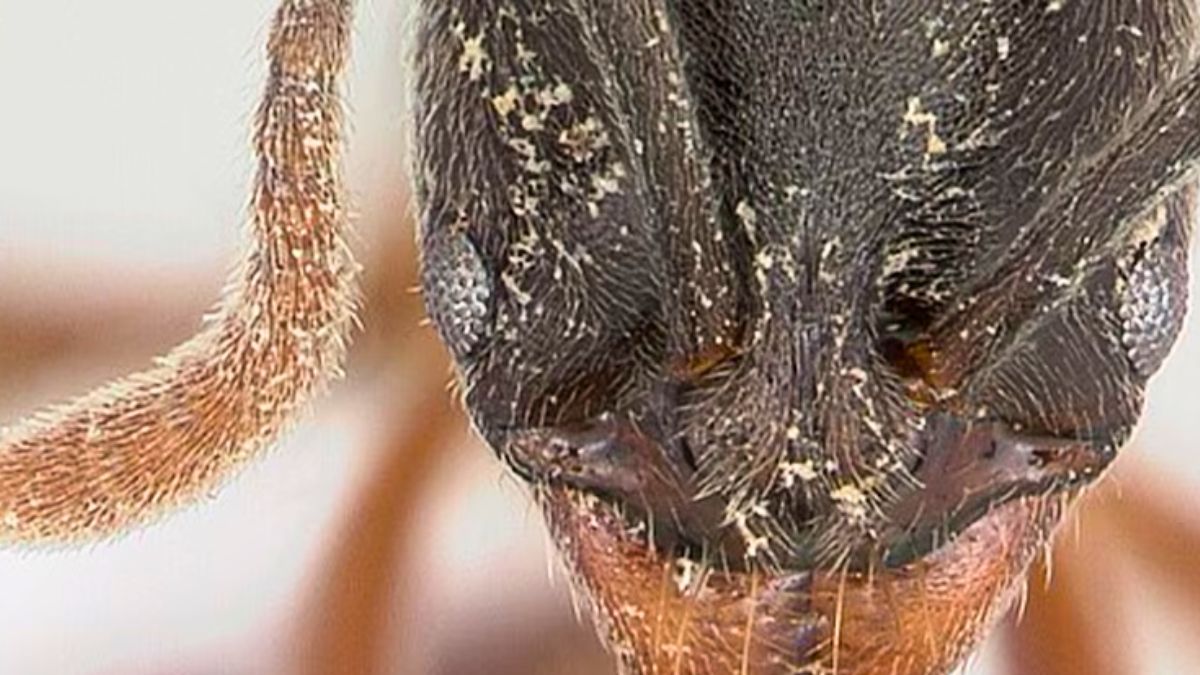
In the quiet of the night, a silent intruder may enter a bedroom, leaving no trace of its presence other than a microscopic threat that can lay dormant for decades. Health officials are renewing warnings about the triatomine bug—commonly known as the “kissing bug”—an insect whose bite is often painless and unnoticed, yet can transmit a parasite leading to a potentially lethal condition known as Chagas disease.
For many, the danger is invisible. Unlike the immediate itch of a mosquito or the sting of a wasp, the triatomine bug typically feeds on blood while its host sleeps, often targeting the soft tissues of the face. The true peril, yet, is not the bite itself, but the biological waste the insect leaves behind. The parasite Trypanosoma cruzi is transmitted when the bug defecates near the wound or on mucous membranes, allowing the pathogen to enter the bloodstream.
This parasitic infection is a significant global health challenge, particularly in the Americas. According to the World Health Organization, an estimated 6 to 7 million people are currently infected worldwide, with the disease causing tens of thousands of deaths annually due to chronic complications.
As urbanization and climate shifts alter the habitats of these insects, the risk is no longer confined to remote rural areas. Understanding the progression of this “silent” disease and the mechanisms of its transmission is critical for early detection and the prevention of long-term organ failure.
The Silent Intruder: Understanding the Risk of Triatomine Bugs
The triatomine bug earns its name from its tendency to bite humans around the lips or eyes, though it can strike anywhere on the body. The “no trace” aspect of the alert stems from the bug’s anesthetic-like saliva, which numbs the area during feeding. This prevents the host from waking up or reacting to the insect, making the initial encounter virtually undetectable.
The mechanism of infection is distinct from other vector-borne diseases. While malaria or dengue are transmitted through the insect’s saliva during the bite, Chagas disease is transmitted through the feces of the bug. When the insect feeds, it often defecates on the skin. If the person inadvertently rubs the feces into the bite wound, their eyes, or their mouth, the Trypanosoma cruzi parasites enter the body.
Beyond insect vectors, transmission can also occur through the consumption of food contaminated with triatomine feces—a common occurrence with raw acai berry juice or sugarcane juice in certain regions—as well as through blood transfusions, organ transplants, or from mother to child during pregnancy. The Centers for Disease Control and Prevention (CDC) emphasizes that screening blood donations is a primary defense in non-endemic countries to prevent these secondary transmission routes.
From a Painless Bite to Chronic Illness: How Chagas Disease Progresses
Chagas disease operates in two distinct phases: the acute phase and the chronic phase. The danger lies in the fact that the acute phase is often mild or entirely asymptomatic, leading many infected individuals to remain unaware of their status for years.
The Acute Phase
Immediately following infection, some individuals may experience a fever, fatigue, body aches, or a swelling of the eyelid known as Romaña’s sign. However, these symptoms are non-specific and frequently mistaken for a common flu. In rare cases, acute Chagas can cause severe inflammation of the heart muscle (myocarditis) or the brain (meningoencephalitis), which can be fatal if not treated immediately.
The Chronic Phase
If left untreated, the parasite persists in the body, entering a chronic stage that can last for decades. During this time, the infection may remain “indeterminate,” meaning the person feels healthy and shows no symptoms. However, approximately 30% of infected individuals will eventually develop clinical manifestations of the disease.
The most severe chronic complications involve the heart and digestive system. The parasites cause gradual damage to the cardiac muscle and the nervous system controlling the heart, leading to cardiomegaly (an enlarged heart), arrhythmias, and heart failure. In the digestive tract, the disease can destroy the neurons in the esophagus and colon, resulting in “mega-syndromes” such as megaesophagus or megacolon, which severely impair the ability to swallow or evacuate waste.
A Global Health Challenge: Geography and Socioeconomic Drivers
While triatomine bugs are found throughout the Americas—from the southern United States to Argentina—the burden of the disease is heavily skewed toward impoverished populations. Here’s largely due to the relationship between the insect’s habitat and the quality of human housing.
Triatomine bugs thrive in the cracks and crevices of mud walls, thatched roofs, and adobe flooring common in traditional rural housing. These environments provide the perfect sanctuary for the bugs to hide during the day and emerge at night to feed. Chagas disease is often categorized as a “neglected tropical disease,” as it primarily affects those with the least access to healthcare and improved housing infrastructure.
However, migration patterns have transformed Chagas into a global concern. As people move from endemic areas in Latin America to cities in North America, Europe, and the Western Pacific, the disease has followed. This shift requires healthcare providers in non-endemic regions to be vigilant about the patient’s travel and residential history, especially when diagnosing unexplained heart failure in younger patients.
Defending the Home: Practical Prevention and Vector Control
Given that there is no vaccine for Chagas disease, prevention focuses entirely on breaking the cycle of transmission. This involves a combination of environmental management and personal protection.

- Housing Improvements: Plastering cracks in walls and replacing thatched roofs with corrugated metal or tiles removes the nesting sites for triatomine bugs.
- Indoor Residual Spraying: The use of approved insecticides on interior walls can significantly reduce bug populations within the home.
- Protective Barriers: Using insecticide-treated bed nets provides a physical and chemical barrier against nocturnal insects.
- Food Hygiene: Ensuring that fruits and juices are processed hygienically to avoid contamination with insect feces.
- Domestic Animal Management: Since dogs and cats can act as reservoirs for the parasite, keeping pets out of sleeping areas can reduce the risk of bugs entering the home.
For those who have been infected, early diagnosis is paramount. Antiparasitic medications, such as benznidazole and nifurtimox, are highly effective in the acute phase and can potentially cure the infection. While these drugs are less effective in the chronic phase, they can still unhurried the progression of the disease and reduce the risk of severe cardiac complications.
Summary of Chagas Disease Risks and Prevention
| Feature | Detail |
|---|---|
| Vector | Triatomine bug (“Kissing Bug”) |
| Pathogen | Trypanosoma cruzi (Parasite) |
| Primary Route | Contamination of wounds/mucosa with insect feces |
| Acute Symptoms | Fever, fatigue, Romaña’s sign (eyelid swelling) |
| Chronic Risks | Heart failure, cardiomegaly, megaesophagus, megacolon |
| Key Prevention | Housing improvements, bed nets, blood screening |
The fight against Chagas disease continues as the Pan American Health Organization (PAHO) and the World Health Organization work toward the interruption of vector transmission. The next critical checkpoints in this effort involve the expansion of screening programs for pregnant women in endemic areas to eliminate congenital transmission and the implementation of updated vector control protocols in urban settings where the bugs have begun to adapt.
We encourage our readers to share this information with those living in or traveling to high-risk areas. If you have questions about vector-borne diseases or aim for to share your experience with prevention efforts, please leave a comment below.