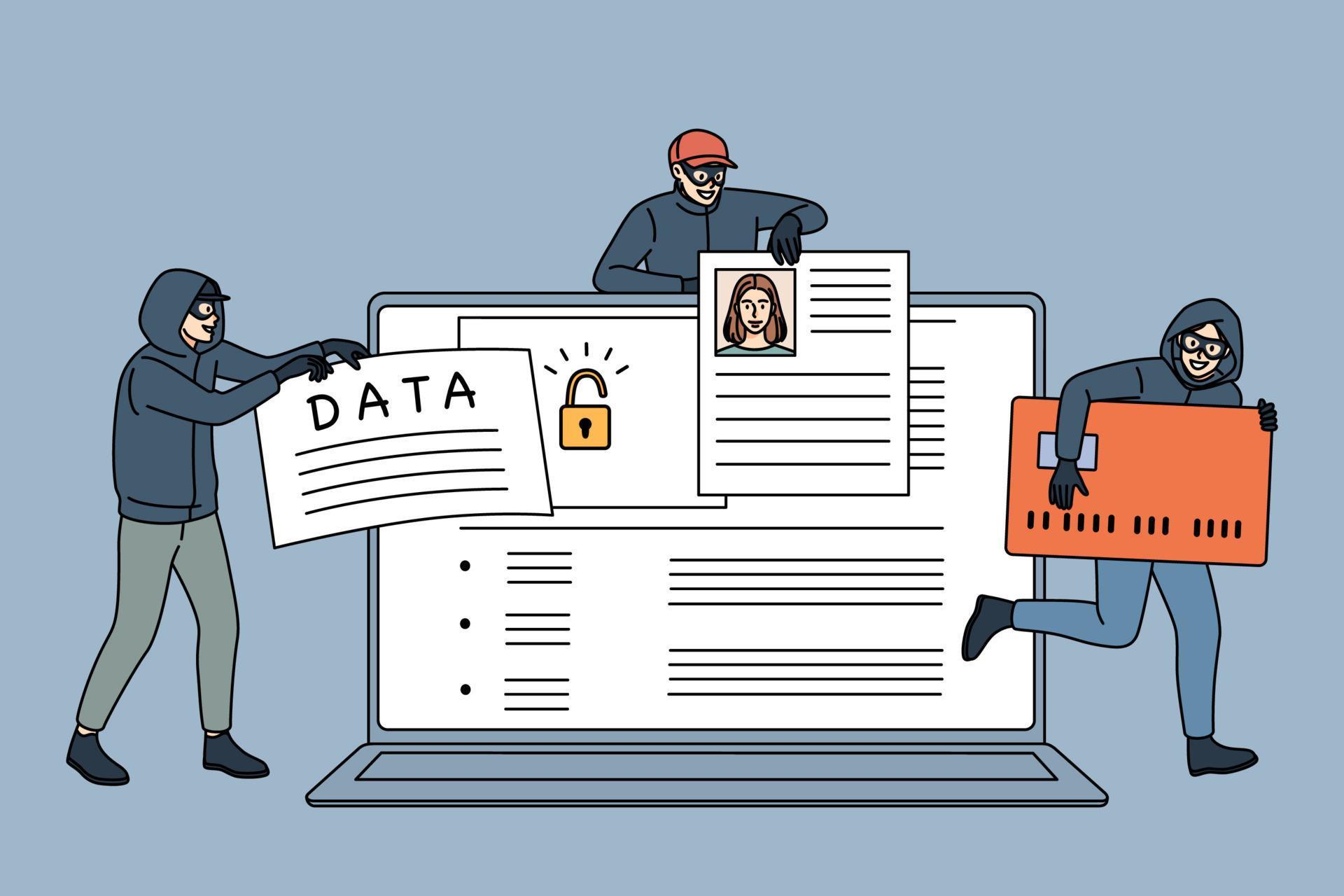
The rise of generative artificial intelligence has brought a wave of creativity to social media, with AI-powered caricature and animation tools becoming viral sensations. Though, a serious warning has emerged regarding the hidden costs of these digital transformations. Security experts are cautioning that the process of creating these stylized avatars can open a door to sophisticated identity theft and targeted cyberattacks.
The danger lies not in the AI image itself, but in the “contextual information” users often provide to the tools to make the result more accurate. By entering specific personal details into prompts to refine a caricature, users may be inadvertently handing a blueprint of their private lives to malicious actors.
According to reports from April 14, 2026, global security firm Kaspersky has warned that sharing personal context—such as employment details, family relationships, and daily routines—during the AI generation process can be exploited for social engineering attacks via GTT Korea. When these fragmented pieces of data are combined, the precision of a scam increases significantly, making fraudulent attempts appear far more convincing to the victim.
The Mechanics of AI-Driven Social Engineering
Social engineering is the psychological manipulation of people into performing actions or divulging confidential information. Traditionally, this required significant research by the attacker. However, AI caricature tools have streamlined this process. When a user inputs specific identifiers into a prompt to get a “perfect” AI version of themselves, they are essentially creating a data set for potential attackers.

The risk is particularly high when users include “identifiable information” in prompts. For example, mentioning a specific company, a job title, or names of family members to help the AI capture a certain “vibe” or professional look can be weaponized. Attackers can use this specific context to impersonate the user or a trusted contact, leading to digital fraud and identity impersonation as reported by Daum.
Because these tools often require users to upload photos and provide text-based descriptions, the combination of visual and biographical data provides a comprehensive profile. This allows scammers to move beyond generic phishing emails to highly personalized “spear-phishing” attacks that are much harder to detect.
Who is at Risk?
Whereas anyone using these tools is potentially vulnerable, those with high-profile professional roles or those who share extensive “life context” to achieve more realistic AI animations are at higher risk. The more a user attempts to make the AI “know” them to produce a better image, the more they expose their digital footprint.
The impact extends beyond the individual. If an attacker gains enough context about a user’s workplace and family, they can launch attacks against the user’s colleagues or relatives, using the stolen information to establish fake trust and legitimacy.
How to Protect Your Digital Identity
As these AI tools continue to proliferate, security experts recommend a cautious approach to how we interact with generative prompts. The goal is to enjoy the creative output without compromising personal security.
- Limit Prompt Detail: Avoid entering specific names, company names, or exact job titles into AI prompts. Use generic terms instead (e.g., “office worker” instead of “Senior Analyst at [Company Name]”).
- Audit Shared Information: Be mindful of the “contextual information” you provide. If a tool asks for your hobbies, family details, or daily habits to “personalize” the experience, consider whether that information is necessary for the image.
- Review Privacy Policies: Check how the AI tool handles the data entered into prompts. Determine if the information is stored, used for training, or shared with third parties.
- Be Skeptical of Unexpected Contact: If you receive a message from someone who seems to know a surprising amount of personal detail about your life or job, verify their identity through a secondary, trusted channel.
Key Takeaways for AI Users
- Identity Theft Risk: AI caricature tools can be a gateway for identity impersonation if personal details are shared in prompts.
- Social Engineering: Attackers combine personal context (job, family, routine) to create highly believable scams.
- Prompt Caution: Refrain from entering personally identifiable information (PII) into AI generation fields.
- Data Aggregation: The danger comes from the combination of visual data and textual context.
As AI technology evolves, the boundary between creative expression and data privacy becomes thinner. The current warnings serve as a reminder that in the digital age, convenience and “perfect” personalization often approach with a security trade-off.
Users are encouraged to stay updated on the latest security advisories from global cybersecurity firms to navigate the evolving landscape of generative AI safely.
Do you use AI tools for your profile pictures? Share your thoughts and experiences with AI privacy in the comments below.