
The intersection of digital wellness culture and radicalization has become a growing concern for researchers and platform regulators alike. Recent inquiries into algorithmic transparency have highlighted how users interested in mainstream fitness, nutrition, and wellness content can be funneled into echo chambers containing extremist ideologies and conspiracy theories. This phenomenon, often described as the “rabbit hole” effect, raises critical questions about how social media platforms prioritize engagement at the potential expense of user safety and social cohesion.
For those navigating the digital landscape, the distinction between a healthy lifestyle recommendation and harmful misinformation is becoming increasingly blurred. Algorithms designed to maximize “time spent” on platforms like Instagram often suggest increasingly extreme content to users who engage with niche wellness topics. This process, documented by digital rights organizations and academic researchers, suggests that the spread of misinformation on social media is not merely a matter of individual choice, but a byproduct of engagement-driven architecture.
As we examine these trends, We see essential to understand the mechanics behind the content delivery systems. These systems frequently fail to distinguish between legitimate health advice and content that promotes antisemitic tropes or radicalized conspiracy theories under the guise of “alternative” wellness. The impact on global discourse is significant, as these platforms serve as primary information hubs for millions of people worldwide.
The Algorithmic Pipeline: From Wellness to Radicalization
The path from a search for “clean eating” or “holistic fitness” to extremist content is often subtle. Researchers have identified a pattern where platforms suggest content that aligns with a user’s initial interest but gradually introduces more polarizing viewpoints. This “radicalization pipeline” often exploits the distrust of mainstream institutions—a common theme in certain wellness communities—to introduce more severe, factually incorrect, and inflammatory narratives.

According to reports from the Anti-Defamation League (ADL), social media platforms have struggled to adequately moderate hate speech that is masked within subcultures. When users interact with content that promotes “purity” or “natural” lifestyles, algorithms may begin to serve up content that links these concepts to exclusionary, nationalist, or antisemitic ideologies. Here’s not an isolated incident; it reflects a systemic issue where engagement metrics are prioritized over the integrity of the information ecosystem.
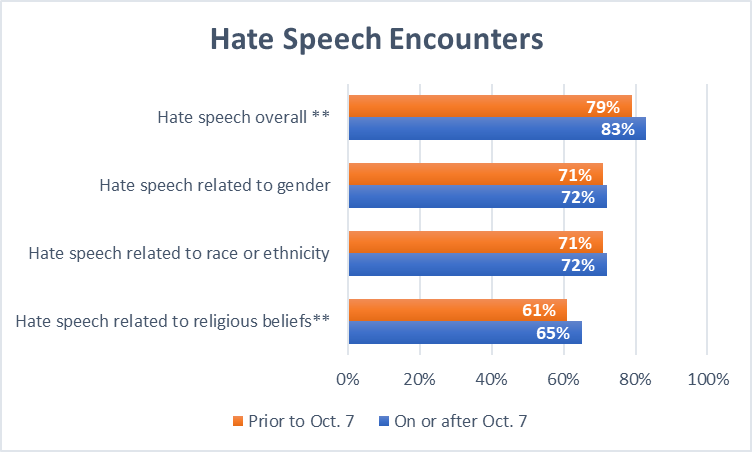
The challenge for platforms like Meta, the parent company of Instagram, is balancing the need for open expression with the legal and ethical responsibility to mitigate harm. While Meta has publicly stated its commitment to removing hate speech, the speed at which harmful content evolves often outpaces the capabilities of automated moderation tools. As noted in the company’s Community Standards policy, hate speech is defined as direct attacks on people based on protected characteristics; however, the enforcement of these standards remains a subject of intense scrutiny by civil society groups.
Understanding the Impact on Global Discourse
The consequences of this algorithmic drift are profound. When mainstream users are exposed to extremist content, the threshold for what is considered “acceptable” discourse can shift. This normalization of hate speech, particularly antisemitic rhetoric, threatens to undermine efforts toward inclusion and public safety. For the average user, the lack of media literacy training or awareness of how these algorithms function leaves them vulnerable to manipulation.
It is important to recognize that this is a global issue. In various regions, the intersection of wellness influencers and political extremism has been observed, leading to real-world impacts on community relations. The United Nations Special Rapporteur on the promotion and protection of the right to freedom of opinion and expression has frequently emphasized that digital platforms must be held accountable for the human rights impacts of their business models, particularly regarding the amplification of discriminatory content.
Key Takeaways for Digital Safety
- Algorithmic Sensitivity: Users should be aware that engagement with wellness content can trigger algorithmic suggestions that shift toward radicalization.
- Critical Consumption: Verifying health and wellness claims through established medical and scientific institutions is vital to avoiding misinformation.
- Reporting Mechanisms: Platforms provide tools to report hate speech; consistent use of these tools is one way users can help train moderation systems.
- Diversifying Information Sources: Relying on a single platform for information increases the risk of falling into a filter bubble.
The Path Forward: Regulation and Platform Responsibility
The regulatory landscape is beginning to catch up with the challenges posed by social media platforms. In the European Union, the Digital Services Act (DSA) represents a major step toward requiring large online platforms to assess and mitigate systemic risks, including the amplification of illegal content and the negative effects on civic discourse. Similar discussions are occurring in the United States, though federal legislation remains a complex and evolving debate.

For the tech industry, the focus must shift from purely engagement-based models to those that prioritize user well-being and information accuracy. This includes investing in better moderation technology, increasing transparency regarding how algorithms function, and fostering closer collaboration with external researchers who can provide independent audits of platform safety.
As we look to the future, the responsibility also lies with the user. Developing a healthy skepticism of viral health trends and understanding the digital environment in which we operate is the first line of defense. Technology should empower us, not manipulate our fears for the sake of ad revenue.
The next major checkpoint for these issues involves the continued implementation of the EU’s Digital Services Act, with the European Commission expected to provide further updates on compliance reports from major platforms throughout the coming year. We will continue to monitor these developments and their impact on global digital safety. We invite our readers to share their thoughts and experiences in the comments section below as we continue to track this critical intersection of technology and society.
- Intel plătește bonusuri pentru ore suplimentare la fabrica din Ohio; Producția pe 14A este programată pentru 2031 – Mobilissimo.ro
- Microsoft vs Apple: The Ongoing Tech Rivalry
- Extremadura Health Service Expands Early Breast Cancer Screening Program (world-today-news.com)
- Real Estate, Insurance and Finance Content Expert (newsdirectory3.com)