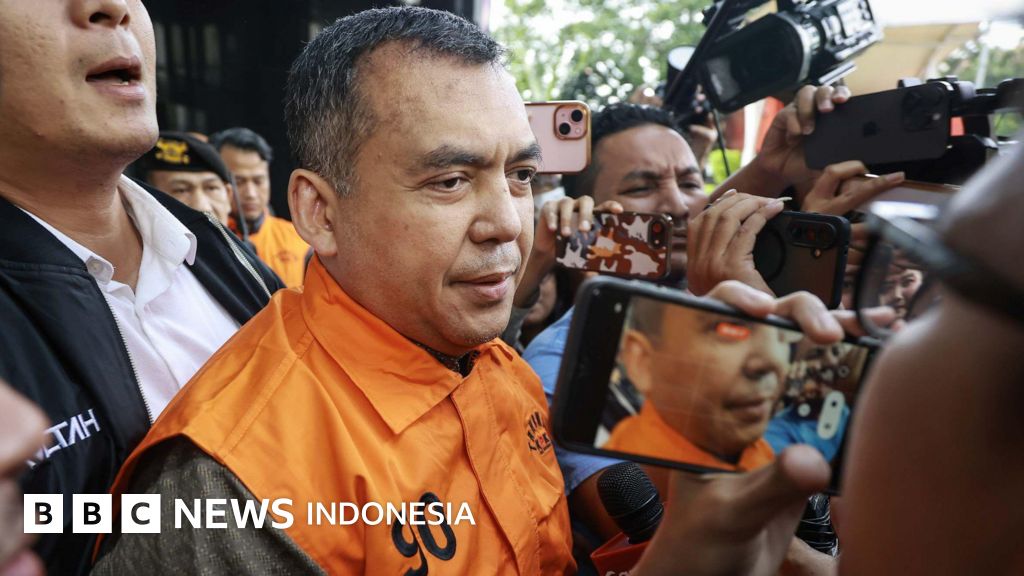
The investigation into systemic corruption within Indonesia’s immigration bureaucracy has reached a critical juncture, with authorities confirming the involvement of high-ranking officials in a sophisticated extortion scheme. The case, which has drawn national attention to the integrity of residency permit processing, centers on allegations of widespread bribery involving the exploitation of bureaucratic loopholes to solicit payments from foreign nationals.
At the heart of the inquiry is the alleged illicit extraction of funds totaling up to 366 billion Indonesian Rupiah (IDR). According to official statements from the Corruption Eradication Commission (KPK), the investigation has uncovered a complex modus operandi that utilized non-official financial channels—including the bank accounts of low-level staff—to mask the illicit flow of money. The case has sent shockwaves through the Ministry of Immigration and Correctional Affairs, prompting renewed calls for structural reform in how the state manages residency and entry documentation for foreign nationals.
Uncovering the Modus Operandi
The KPK’s investigation has revealed that the scheme relied on a series of coded communications and bureaucratic barriers designed to pressure applicants into paying “speed money” for services that should otherwise be standard. Investigators have highlighted the use of specific internal codenames, such as “malaikat” (angel) and “vokalis” (vocalist), to designate different roles or statuses within the illicit network. These terms were reportedly used to obscure the identities of those coordinating the extortion and to manage the distribution of funds derived from the permit process.

The use of accounts belonging to “office boys” or other junior personnel represents a tactical attempt to distance senior decision-makers from the direct receipt of bribes. By routing transactions through individuals with minimal institutional authority, the perpetrators sought to evade detection during routine financial audits. However, the KPK has indicated that the scale of the financial irregularities eventually triggered red flags, leading to a series of coordinated enforcement actions. Further details regarding the operational timeline and the specific legal statutes invoked by the commission can be found through the official portal of the Corruption Eradication Commission.
Institutional Impact and Reform Efforts
The exposure of these practices has prompted immediate scrutiny of the Ministry of Immigration and Correctional Affairs. Experts and government watchdogs suggest that the incident serves as a stark reminder of the risks inherent in manual per-case processing, where human discretion often replaces transparent, digital-first systems. The current administration has signaled that this case will serve as a definitive momentum-builder for reforming the governance of immigration permits, with a focus on digitizing the entire residency approval chain to eliminate opportunities for human intervention.
As the legal process unfolds, officials have noted that the focus of the investigation is shifting beyond simple bribery. The KPK has confirmed that it intends to pursue charges related to money laundering (TPPU), a move that would allow the state to seize assets linked to the illicit proceeds and potentially uncover a broader network of beneficiaries. This escalation indicates that the commission is looking to dismantle the structural foundations of the corruption rather than merely addressing the individuals involved in the immediate acts of extortion.
Key Takeaways and What Comes Next
For stakeholders, foreign residents, and observers, the situation remains fluid. The legal proceedings are expected to be lengthy, as the commission works to map the flow of funds and verify the testimonies of those involved. Key aspects of the ongoing situation include:

- Broadened Scope: The investigation is transitioning into a comprehensive inquiry into money laundering, signaling a long-term legal battle.
- Structural Vulnerabilities: The reliance on proxy bank accounts has forced a re-evaluation of internal compliance and financial monitoring within the ministry.
- Policy Response: The Ministry is under pressure to implement systemic changes to ensure that residency permit applications are shielded from manual influence.
The next major checkpoint in this case will be the submission of the formal case files to the anticorruption court, followed by the initial hearings for the named suspects. The public is encouraged to follow official updates via the KPK’s official press releases to ensure they are receiving verified information regarding court dates and evidentiary findings. As this story continues to develop, we will monitor the proceedings to provide further analysis on the implications for Indonesia’s administrative integrity.
Jonathan Reed serves as the News Editor at World Today Journal. With over 16 years of experience in global investigative reporting, he focuses on bringing clarity to complex political and legal developments.
Keep reading