
Mushrooms are far more than a simple culinary addition; they represent a complex biological kingdom with significant implications for human health. From the potential for vitamin D synthesis to their nuanced interaction with the human gut microbiota, fungi are increasingly recognized by researchers for their diverse nutritional and physiological profiles. As we examine the role mushrooms play in health, it is essential to distinguish between their nutritional density and their role in modulating systemic bodily functions.
For many, the most familiar health association with mushrooms is their ability to act as a source of vitamin D. When exposed to ultraviolet (UV) light, certain mushroom species undergo a process similar to human skin, converting ergosterol into ergocalciferol, or vitamin D2. According to the National Institutes of Health (NIH) Office of Dietary Supplements, while vitamin D2 is a form of the vitamin, it is important to note that its efficacy in raising blood levels of 25-hydroxyvitamin D may differ from that of vitamin D3, the form typically synthesized in human skin or found in animal products.
Beyond vitamin content, the impact of fungi on the human digestive system remains a primary area of scientific investigation. Mushrooms are rich in dietary fibers, including chitin and beta-glucans, which serve as prebiotics. These compounds are not digested by the human body but instead travel to the colon, where they are fermented by the gut microbiota. The Harvard T.H. Chan School of Public Health highlights that this process can promote the growth of beneficial bacteria, which in turn produce short-chain fatty acids that support intestinal health.
The Nutritional Composition of Edible Fungi
The nutritional profile of mushrooms is unique among produce. They are low in calories and fat, yet they provide essential micronutrients, including B vitamins—specifically riboflavin, niacin, and pantothenic acid—and minerals like selenium, copper, and potassium. The United States Department of Agriculture (USDA) FoodData Central database confirms that these nutrient densities vary significantly by species, with cultivated varieties like white button, cremini, and portobello offering consistent, accessible profiles for the general population.

While mushrooms are often categorized as vegetables in culinary contexts, their structural composition is distinct. Their cell walls are primarily composed of chitin, a type of insoluble fiber that contributes to their firm texture. Because humans lack the enzymes to break down chitin, cooking is a critical step in making the nutrients within the mushroom cells bioavailable. Properly prepared, mushrooms offer a savory “umami” flavor that can reduce the need for added sodium in meals, making them a valuable tool for heart-healthy dietary strategies.
Interaction with the Gut Microbiota
The relationship between fungal intake and the gut microbiome is a growing field of study, often referred to as the “mycobiome.” While the human gut is dominated by bacteria, the presence of fungi plays a role in maintaining a balanced ecosystem. Research published by the National Center for Biotechnology Information suggests that the beta-glucans found in mushrooms may act as immunomodulators, potentially influencing how the immune system responds to pathogens, though much of this evidence remains derived from controlled laboratory settings rather than large-scale human clinical trials.

It is important for consumers to approach claims regarding “medicinal mushrooms” with a degree of caution. While products containing extracts of reishi, lion’s mane, or turkey tail are widely marketed for their purported cognitive or immune-boosting benefits, the National Center for Complementary and Integrative Health (NCCIH) advises that rigorous clinical evidence for these specific claims is often limited. Consumers should consult with a healthcare provider before adding concentrated mushroom supplements to their regimen, especially if they are managing chronic health conditions or taking prescription medications.
Practical Considerations for Inclusion
Incorporating mushrooms into a daily diet is a straightforward way to increase nutrient intake. To maximize the vitamin D potential, some researchers suggest placing store-bought mushrooms in direct sunlight for a short period before cooking, though the exact concentration of vitamin D will vary based on the intensity of the light and the duration of exposure. According to the U.S. Food and Drug Administration (FDA) guidelines on food labeling, mushrooms can be a healthy, nutrient-dense component of a balanced diet, provided they are stored and handled safely to prevent spoilage.
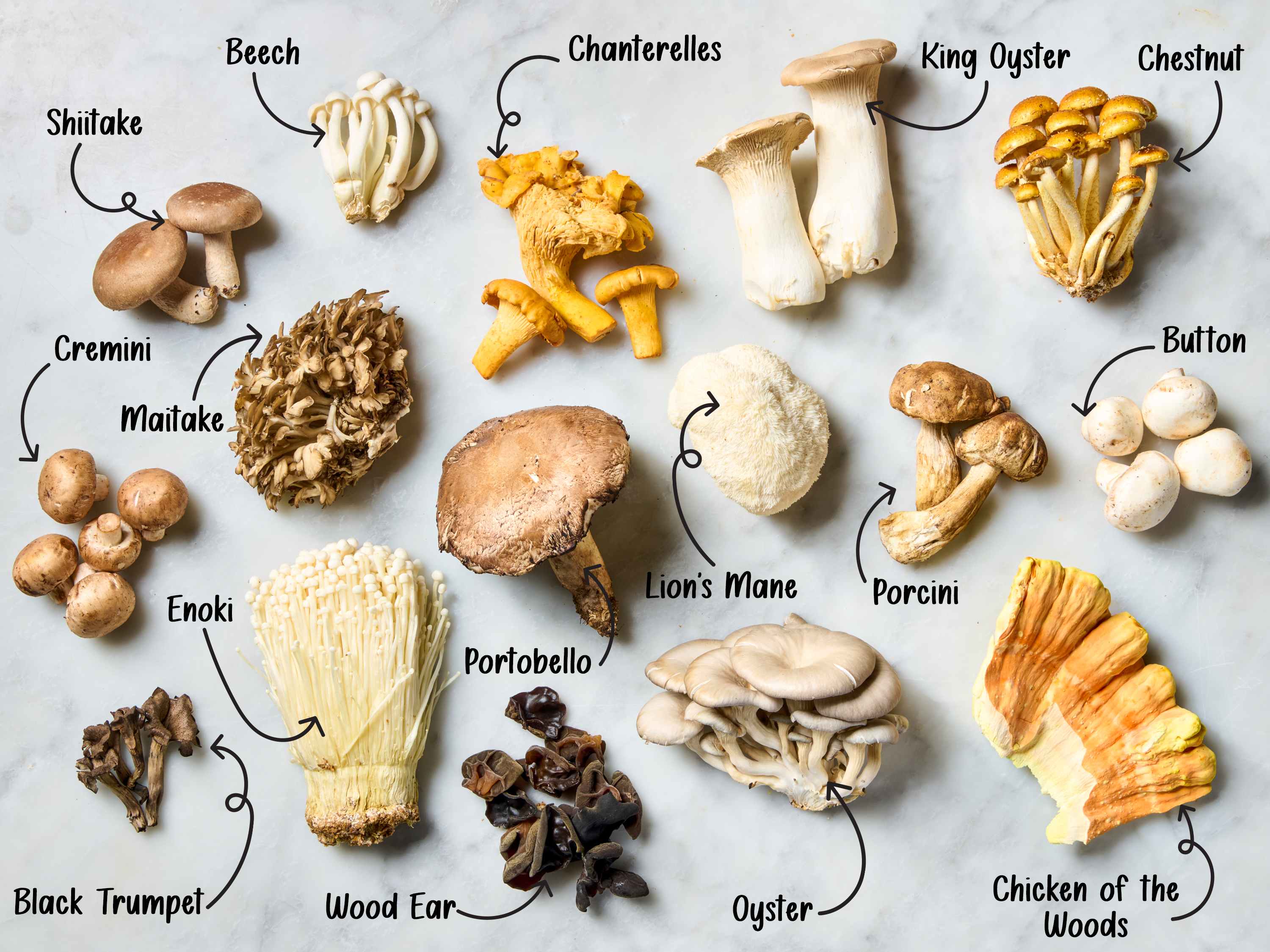
As the scientific community continues to explore the intersections of mycology and human physiology, the role of fungi in our health remains a promising, albeit evolving, topic. Future research will likely focus on the long-term effects of regular mushroom consumption on metabolic health and systemic inflammation. For now, the consensus among public health experts remains that mushrooms are a safe, versatile, and nutrient-rich addition to a varied diet.
Readers interested in the latest clinical updates regarding dietary interventions and gut health can monitor the World Health Organization (WHO) dietary guidelines for periodic updates on nutritional science. If you found this overview of the health benefits of fungi helpful, please share this article with your network or leave a comment below to let us know which health topics you would like to see covered in our next report.
Related reading
- Povorcitinib Significantly Reduces Abscesses and Nodules in Hidradenitis Suppurativa: Phase 3 Trial Results
- Post-COVID Recovery: How Local Clubs are Boosting Activity and Partnerships
- The Relationship Between Vaping and Health: Separating Fact from Alarmist Headlines (world-today-news.com)
- Affordable Food That Significantly Boosts Your Health, According to Doctor (newsdirectory3.com)