
Patients undergoing cataract surgery in Germany are facing a growing controversy over the cost of premium intraocular lenses (IOLs), particularly aspheric lenses, which promise sharper vision but often come with out-of-pocket expenses not fully covered by public health insurance. The debate centers on whether the Gesetzliche Krankenversicherung (GKV), Germany’s statutory health insurance system, should expand coverage for these advanced lenses—especially as aspheric designs become a standard recommendation for many cataract patients.
While the GKV typically covers basic IOLs post-cataract surgery, aspheric lenses—designed to reduce visual distortions like halos and glare—are frequently excluded from standard benefits. Patients report paying hundreds to thousands of euros for these lenses, raising questions about affordability, medical necessity, and the role of private insurance or out-of-pocket payments in an already costly procedure. The issue has gained traction as ophthalmologists increasingly advocate for aspheric lenses due to their improved optical performance, but insurers argue the additional cost does not always justify routine coverage.
The discrepancy between what insurers cover and what patients are expected to pay highlights broader tensions in Germany’s healthcare system, where technological advancements in medicine often outpace reimbursement policies. For patients, the choice between premium lenses and standard options can mean the difference between restored vision quality and financial strain. Meanwhile, policymakers and insurers grapple with balancing innovation with sustainability in public healthcare funding.
Why Are Aspheric Lenses More Expensive—and Why Aren’t They Fully Covered?
Cataract surgery is one of the most common procedures worldwide, with over 32 million surgeries performed annually, according to the World Health Organization. In Germany, the procedure is typically covered by the GKV, but the type of intraocular lens implanted can significantly impact out-of-pocket costs.
Standard monofocal lenses, which correct vision at one distance, are fully reimbursed by the GKV. However, aspheric lenses—curved to minimize spherical aberrations—are often classified as “premium” or “enhanced” options. These lenses can cost substantially more than basic models, though exact pricing varies by provider and region. For example, while a standard monofocal lens might cost around €300–€500 per eye, aspheric lenses can range from €800 to €2,000 or more, depending on additional features like blue-light filtering or toric designs for astigmatism correction.
The GKV’s current guidelines stipulate that only “medically necessary” lenses are covered. Aspheric lenses are not universally deemed essential, as their benefits—such as reduced night vision disturbances—may not apply to all patients. This policy leaves many individuals responsible for the difference between the standard and premium lens costs.
Who Pays the Extra Cost?
The financial burden falls primarily on patients, though some opt for private supplementary insurance or seek discounts from clinics. A 2023 study published in the Deutsche Ärzteblatt noted that up to 30% of cataract patients in Germany choose premium lenses despite the additional cost, citing improved quality of life. However, the study also highlighted disparities in access, with lower-income patients more likely to receive standard lenses due to cost constraints.
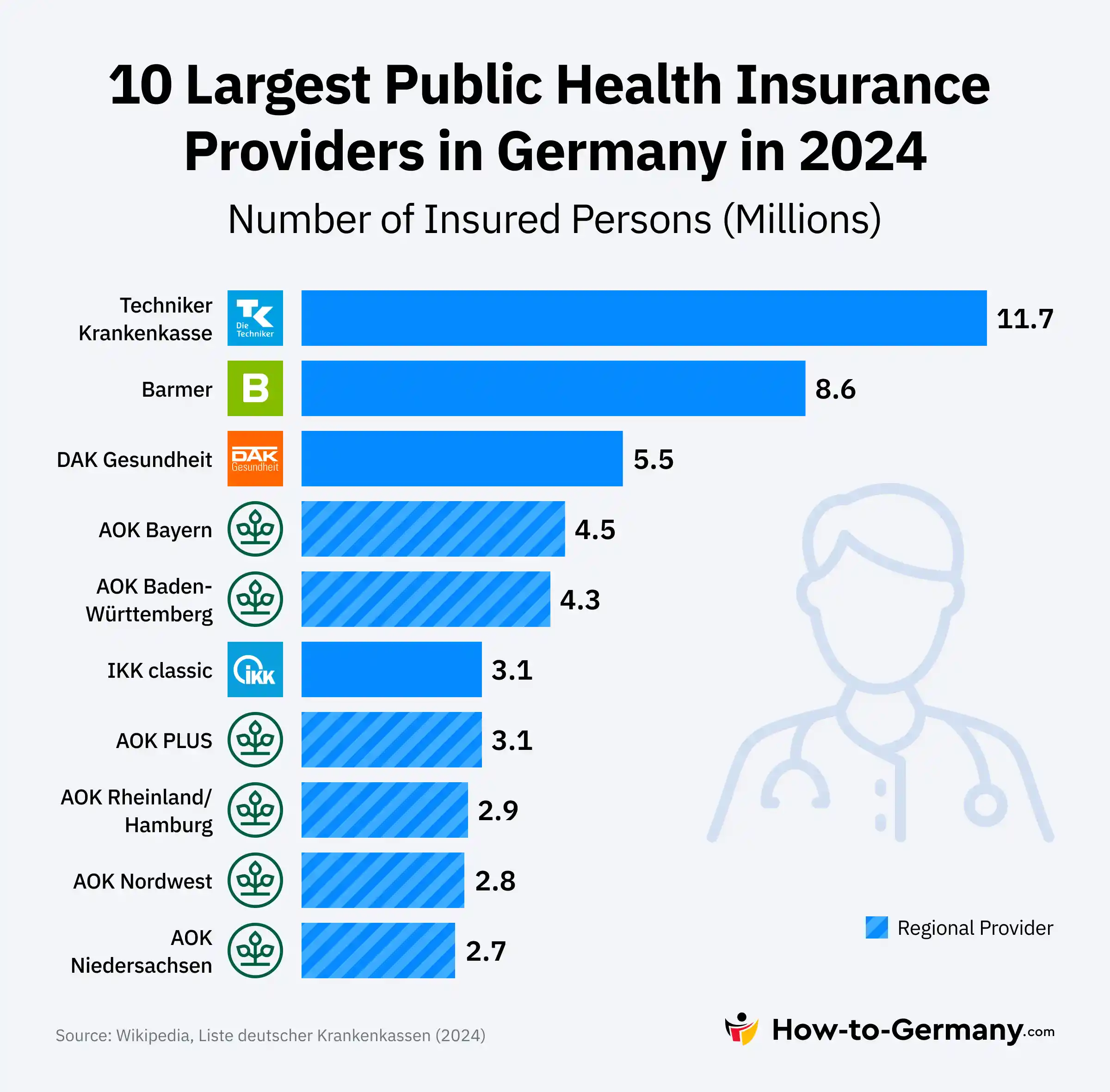
Private health insurers in Germany may offer partial or full coverage for aspheric lenses, but enrollment in such plans often requires additional premiums. For those without private insurance, the out-of-pocket expense can be a barrier to accessing what many ophthalmologists consider the gold standard for modern cataract surgery.
Medical Necessity vs. Patient Preference
The debate over GKV coverage for aspheric lenses hinges on defining “medical necessity.” Ophthalmologists argue that these lenses provide tangible benefits, such as:
- Reduced glare and halos, particularly in low-light conditions.
- Improved contrast sensitivity, enhancing activities like driving at night.
- Longer-term satisfaction, as patients often report fewer visual complaints post-surgery.
Critics of expanded coverage, including some GKV representatives, contend that the additional cost does not justify routine reimbursement for all patients. They point to variations in individual needs—for example, a patient with minimal night-driving requirements may not benefit equally from an aspheric lens.
This tension mirrors broader challenges in healthcare systems globally, where technological advancements (e.g., advanced IOLs in cataract surgery) outpace reimbursement frameworks. In Germany, the GKV’s Leistungskatalog (benefits catalog) is periodically reviewed, but updates often lag behind clinical advancements.
What Patients Can Do
Patients considering cataract surgery in Germany should:
- Consult multiple ophthalmologists to compare lens recommendations and costs.
- Check GKV coverage details with their insurer, as policies may vary by provider (e.g., AOK, TK, Barmer).
- Explore private insurance options if premium lenses are a priority, though this requires additional financial planning.
- Ask about payment plans or discounts—some clinics offer reduced rates for self-pay patients.
For those facing unexpected costs, the German Social Code (SGB XII) may provide assistance in cases of financial hardship, though eligibility criteria are strict.
Looking Ahead: Policy and Technological Shifts
As aspheric and multifocal lenses become increasingly common, pressure is mounting on the GKV to reassess coverage policies. Advocacy groups, including the Deutsche Ophthalmologische Gesellschaft (DOG), have called for broader reimbursement, arguing that limiting access to premium lenses denies patients evidence-based care options.

In the meantime, patients and providers alike are navigating a system where innovation and affordability often clash. The next step may lie in pilot programs or regional policy experiments, such as those being explored in Baden-Württemberg, where local health authorities are testing expanded coverage for advanced IOLs.
The GKV’s next review of cataract surgery benefits is scheduled for 2027, according to internal planning documents. Until then, patients are advised to proactively discuss costs and options with their healthcare providers.
Key Takeaways
- Aspheric lenses improve vision quality but often require out-of-pocket payments not covered by the GKV.
- Standard monofocal lenses are fully reimbursed, while premium options may cost €800–€2,000+ per eye.
- Private insurance or financial aid programs may help offset costs for eligible patients.
- Policy discussions are ongoing, with potential updates to GKV coverage expected by 2027.
- Patients should compare providers and insurer policies before committing to surgery.
Have you faced unexpected costs for cataract surgery or other medical procedures in Germany? Share your experiences in the comments below—or tag us on Twitter to continue the conversation. For the latest updates on healthcare policy in Germany, visit the GKV’s official site.
Related reading
- Apple App Store Hosted AI Nudification Apps Capable of Generating Rape Videos
- Google Pixel 11 Pro XL vs. Samsung Galaxy S26 Ultra: Which Flagship Wins?
- Force-Placed Insurance, Explained: The Coverage You Never Chose (daybreakwire.com)
- FDA Approves Groundbreaking mRNA Vaccine Booster for Adults 50+, Boosting Immunity and Protecting Against Chronic Health Risks (archyworldys.com)