
The U.S. Department of the Treasury has announced a substantial new round of U.S. Treasury debt issuance, signaling a strategic move to manage maturing obligations while securing fresh capital from private investors. In a statement released on May 6, 2026, the Treasury detailed a plan to offer $125 billion in securities, a move designed to ensure the government’s financing needs are met amidst shifting market demands.
This latest operation is primarily a refunding effort, intended to replace approximately $83.3 billion of privately-held Treasury notes that are set to mature on May 15, 2026. By issuing more than it is replacing, the Treasury expects to raise approximately $41.7 billion in new cash from private investors, according to the official Treasury refunding statement.
For global markets, these announcements are more than mere accounting exercises. They provide a window into how the U.S. Government views its borrowing costs and the overall appetite for sovereign debt. As the Treasury balances its portfolio, the focus remains on maintaining stability and optimizing the cost of borrowing over the long term.
Breakdown of the May 2026 Securities Auction
The $125 billion issuance is divided across three key maturities, allowing the Treasury to attract a diverse range of investors, from short-term hedgers to long-term institutional holders. Each of these securities will be auctioned on a yield basis, meaning the interest rate will be determined by market competition at the time of the sale.
The specific allocations and schedule for the upcoming auctions are as follows:
- 3-Year Note: $58 billion will be offered on Monday, May 11, 2026, maturing on May 15, 2029.
- 10-Year Note: $42 billion will be offered on Tuesday, May 12, 2026, maturing on May 15, 2036.
- 30-Year Bond: $25 billion will be offered on Wednesday, May 13, 2026, maturing on May 15, 2056.
All three of these auctions are scheduled to settle on Friday, May 15, 2026, coinciding with the maturity of the notes being refunded. This tight timeline is a standard part of the Treasury’s debt management cycle to minimize liquidity gaps.
Strategic Debt Management and the SOMA Portfolio
Beyond the immediate issuance of notes and bonds, the Treasury is closely monitoring the dynamics of the System Open Market Account (SOMA) portfolio. The SOMA is the portfolio of assets held by the Federal Reserve, and the Treasury’s coordination with these holdings is critical for managing the total supply of government debt in the marketplace.
According to the Treasury Department, officials are specifically tracking SOMA purchases of Treasury bills and a growing trend of demand for these short-term instruments from the private sector. This demand for “bills” (debt with maturities of one year or less) often reflects investor preferences for liquidity or expectations regarding near-term interest rate movements.
In terms of long-term strategy, the Treasury believes its current auction sizes are sufficient to handle potential changes in the fiscal outlook and the evolving composition of the SOMA portfolio. The department anticipates maintaining its current nominal coupon and Floating Rate Note (FRN) auction sizes for at least the next several quarters.
What This Means for Investors
The decision to maintain current auction sizes suggests a level of confidence in the existing structural demand for U.S. Debt. However, the Treasury noted that it continues to evaluate potential future increases to nominal coupon and FRN auction sizes. This evaluation is focused on trends in structural demand as well as the potential costs and risks associated with different issuance profiles.
For the global investor, the “yield basis” of these auctions is the most critical metric. When the Treasury auctions on a yield basis, it is essentially asking the market: “What is the lowest interest rate you are willing to accept in exchange for lending the U.S. Government this money?” The resulting yields serve as a global benchmark for pricing other types of debt, from corporate bonds to mortgages.
Diversifying the Financing Toolkit
While the May 15 refunding focuses on notes and bonds, the U.S. Government employs a broader array of tools to meet its daily and monthly cash requirements. The Treasury indicated that the balance of its financing needs for the remainder of the quarter will be addressed through several different channels.
These include regular weekly bill auctions and the issuance of Cash Management Bills (CMBs), which are used to bridge very short-term liquidity gaps. The Treasury continues its monthly auctions for:
- Treasury Inflation-Protected Securities (TIPS): Bonds designed to protect investors from inflation by adjusting the principal based on changes in the Consumer Price Index.
- 2-Year Floating Rate Notes (FRNs): Securities with interest payments that fluctuate based on the most recent 13-week Treasury bill auction, reducing the interest rate risk for the holder.
- Standard Monthly Notes and Bonds: Regular issuances that provide a steady supply of benchmark securities to the market.
By utilizing a mix of fixed-rate coupons, inflation-linked securities, and floating-rate notes, the Treasury can mitigate its own exposure to interest rate volatility while providing various products to suit different investor risk appetites.
Analysis: The Importance of Structural Demand
From an economic perspective, the Treasury’s focus on “structural demand” is the most telling part of this announcement. Structural demand refers to the long-term, non-speculative need for U.S. Treasuries. This demand comes from entities like pension funds, insurance companies, and foreign central banks that require safe, liquid assets to match their long-term liabilities.
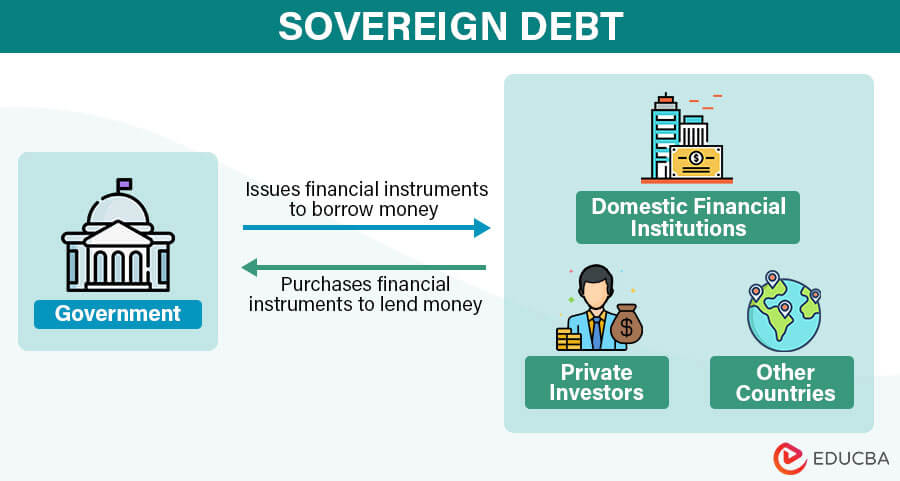
When the Treasury monitors “growing demand for Treasury bills from the private sector,” it is assessing whether investors are shifting away from longer-term bonds in favor of shorter-term liquidity. If this trend persists, the Treasury may be forced to adjust its issuance profile—potentially increasing the amount of short-term debt it issues—though such a move carries the risk of having to refinance larger sums more frequently (known as “rollover risk”).
The current stance of maintaining auction sizes for “at least the next several quarters” suggests that the Treasury does not yet see a need to pivot its strategy. It indicates a belief that the current mix of short- and long-term debt is optimal for the current fiscal environment.
- Total Offering: $125 billion in securities to refund $83.3 billion in maturing notes.
- Net Cash Gain: Approximately $41.7 billion will be raised from private investors.
- Key Auctions: 3-year ($58B), 10-year ($42B), and 30-year ($25B) notes/bonds scheduled for May 11–13.
- Strategic Outlook: No changes planned for nominal coupon and FRN auction sizes for several quarters.
- Market Focus: Treasury is closely monitoring private sector demand for T-bills and SOMA portfolio trends.
As the May 11 auction for the 3-year note approaches, market participants will be watching the bid-to-cover ratio—a measure of demand—to gauge the current appetite for U.S. Sovereign debt. Any significant deviation from expected demand could signal a shift in investor sentiment regarding the U.S. Fiscal trajectory or future interest rate expectations.
The next confirmed checkpoint for this cycle will be the 3-year note auction on Monday, May 11, 2026, at 1:00 p.m. EDT, followed by the 10-year and 30-year auctions later that week.
Do you think the current demand for U.S. Treasury bills is sustainable, or will we see a shift back toward long-term bonds? Share your thoughts in the comments below or share this analysis with your network.
Related reading