
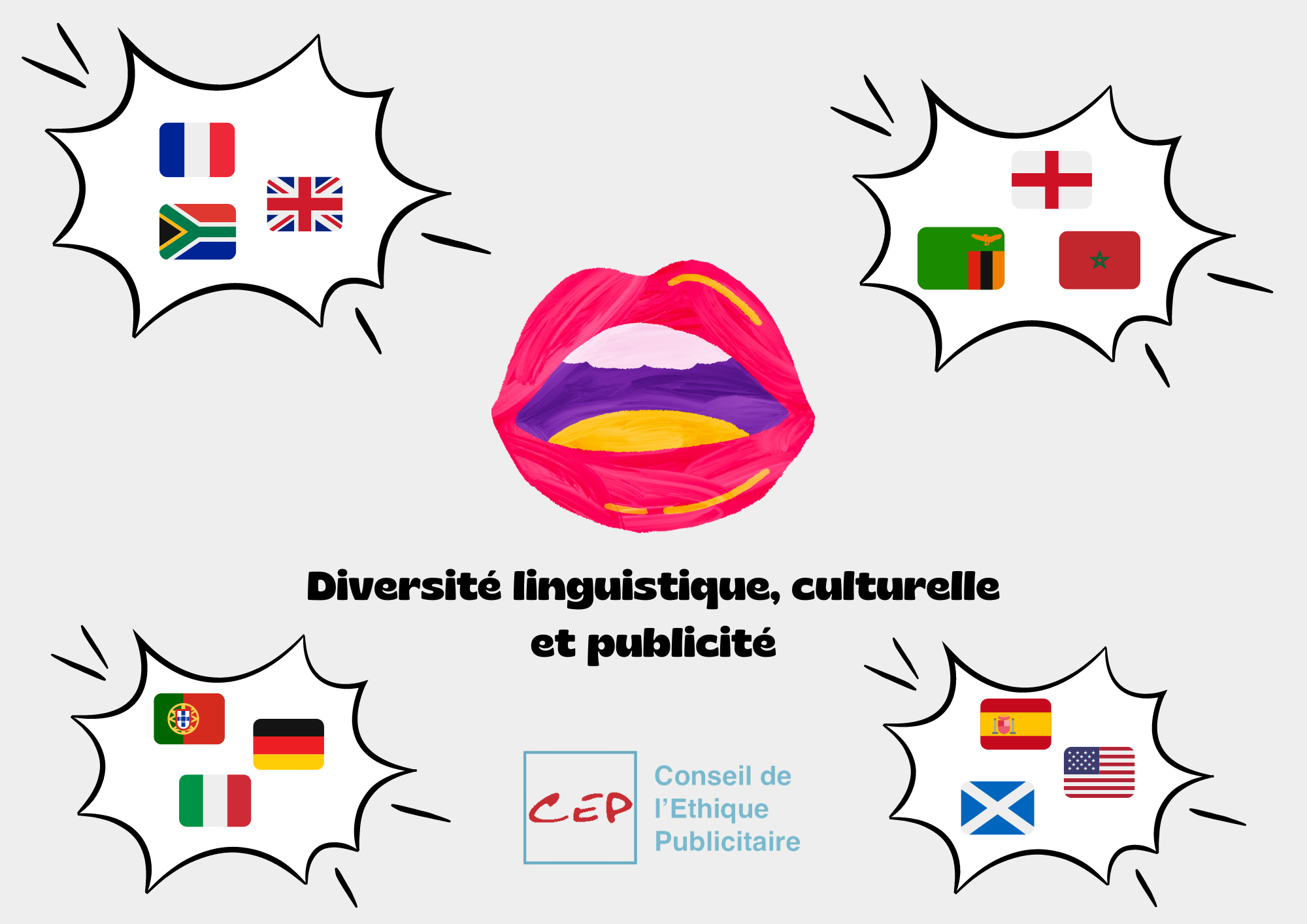
The Salon International de l’Édition et du Livre (SIEL) in Rabat has evolved into more than a mere marketplace for publishers; it is now a critical intellectual crossroads where the complexities of identity, language, and art converge. At the heart of its recent programming is a profound exploration of SIEL Rabat linguistic diversity, specifically how the intersection of multiple languages shapes contemporary poetic practice in the Maghreb and beyond.
For Morocco, a nation defined by its linguistic pluralism—spanning Arabic, Amazigh, French, and Spanish—the SIEL serves as a laboratory for examining how poets navigate these overlapping identities. The fair’s commitment to linguistic diversity is not merely academic; it is a reflection of the lived experience of millions who switch codes and languages to express the nuances of their existence. By centering poetic practice within this diversity, the SIEL highlights the tension between the preservation of heritage languages and the global reach of colonial tongues.
This intellectual ambition is mirrored in the fair’s high-profile guests and multidisciplinary approach. From hosting Nobel laureates who grapple with the weight of global fame to integrating the equestrian traditions of El Jadida, the SIEL positions literature as the anchor for a broader cultural dialogue. As the event continues to attract international attention, it reinforces Rabat’s status as a hub for the “global south” to redefine its literary contributions to the world.
Linguistic Pluralism and the Poetic Voice
The conference focusing on linguistic diversity in poetic practice addresses a fundamental question: how does a poet maintain authenticity when writing in a language that may be historically tied to colonialism or administrative power? In the Moroccan context, the use of French often exists alongside Moroccan Arabic (Darija) and Amazigh, creating a rich but complex tapestry of expression. The SIEL’s discussions emphasize that poetry often becomes the primary site where these languages collide and coalesce.

Experts at the fair have noted that poetic practice in the region is increasingly characterized by “linguistic hybridity.” This is not simply the act of translating one language into another, but the creation of a new, third space where the rhythms of one language inform the structure of another. This approach allows writers to capture the fragmented nature of modern identity, reflecting a society that is simultaneously rooted in ancestral tradition and open to global modernity.
The significance of this dialogue extends to the publishing industry. By promoting works that embrace linguistic diversity, the SIEL encourages publishers to move beyond the “standardized” versions of languages, giving voice to dialects and minority languages that have historically been sidelined in formal literature. This shift is essential for the democratization of reading and writing across North Africa.
The Paradox of Fame: Annie Ernaux in Rabat
The presence of Annie Ernaux, the 2022 Nobel Prize laureate in Literature, provided a poignant counterpoint to the fair’s celebrations of visibility. During her participation in the SIEL, Ernaux spoke candidly about the burden of recognition, describing notoriety as something “insupportable” (unbearable). Her reflections offered a rare glimpse into the psychological toll of global acclaim for a writer whose work is rooted in the intimate, often painful, details of personal and social history.
Ernaux’s “autosociobiographical” approach—where the individual “I” is used to describe a collective social experience—resonates deeply with the themes of the SIEL. Her work examines the barriers of class and the constraints of language, mirroring the fair’s own investigation into how linguistic and social structures shape the human narrative. For the audiences in Rabat, Ernaux’s struggle with fame highlighted the tension between the desire for a writer’s work to be read and the desire for the writer to remain an invisible observer of society.
This discourse on notoriety serves as a reminder that the act of writing is often an act of resistance. Whether it is a poet fighting for the recognition of a minority language or a Nobel laureate resisting the flattening effect of celebrity, the SIEL provides a space where the vulnerability of the author is treated with as much importance as the prestige of the award.
Cultural Diplomacy: France and the Next Generation
The role of France as a guest of honor at the SIEL has historically aimed to move the relationship between the two nations beyond the shadows of the past. Recent iterations of the fair have specifically pivoted toward the youth, framing the partnership under the sign of “youth and future.” This strategy recognizes that the future of the Francophone world lies not in the imposition of a colonial standard, but in a reciprocal exchange of ideas between young creators.
By focusing on youth, the SIEL creates a platform for emerging Moroccan and French writers to collaborate on projects that challenge traditional literary boundaries. This includes workshops on digital storytelling, spoken word poetry, and the integration of visual arts into the reading experience. The goal is to foster a “shared imagination” where the French language is viewed as a tool for creative liberation rather than a symbol of administrative control.
This focus on the next generation is critical for the sustainability of the publishing industry. As reading habits shift toward digital platforms, the SIEL’s emphasis on youth engagement ensures that the tradition of the “book fair” evolves. The integration of interactive exhibits and youth-led panels transforms the event from a static exhibition into a dynamic cultural festival.
A Multidisciplinary Hub: From Equestrian Arts to Legal Frameworks
One of the most distinctive features of the SIEL is its refusal to be confined to the world of books. The integration of the cultural heritage of Morocco, specifically the equine traditions associated with the Salon du Cheval d’El Jadida, demonstrates the fair’s holistic view of culture. The presence of equestrian art at a book fair underscores the belief that literature does not exist in a vacuum; it is informed by the physical traditions, landscapes, and histories of the people who write it.
the SIEL has expanded its scope to include discussions on the structural foundations of society. Sessions on legal security and investment—examining the instruments the Moroccan justice system deploys to protect investors—might seem out of place at a literary event, but they reflect the fair’s role as a broader forum for national development. The underlying logic is that a thriving literary scene requires a stable social and economic environment, where intellectual property is protected and cultural industries can attract investment.
This multidisciplinary approach transforms the SIEL into a “city within a city,” where a visitor can move from a poetry reading on linguistic diversity to a lecture on judicial reform, and then to a display of traditional Moroccan saddlery. This synthesis of the arts, law, and tradition reflects the complexity of the Moroccan state’s vision for its cultural and economic future.
Key Takeaways from the SIEL’s Cultural Impact
- Linguistic Hybridity: The fair promotes the use of multiple languages (Arabic, Amazigh, French) as a tool for authentic poetic expression.
- Authorial Vulnerability: Through guests like Annie Ernaux, the event explores the psychological conflict between literary success and personal privacy.
- Youth-Centric Diplomacy: The partnership with France focuses on empowering young writers to redefine the Francophone identity.
- Holistic Culture: By blending literature with equestrian arts and legal discussions, the SIEL positions culture as an integral part of national development.
As the SIEL continues to grow, its ability to balance these diverse threads—the academic, the artistic, the traditional, and the legal—will determine its influence on the global stage. By centering the “diversity of the voice,” the fair ensures that the stories told in Rabat are not just heard, but understood in all their linguistic and social complexity.
The next major milestone for the Moroccan publishing sector will be the announcement of the theme and guest of honor for the upcoming edition of the SIEL, which is expected to further expand its digital integration and international partnerships.
Do you believe that linguistic diversity strengthens or complicates the reach of modern poetry? Share your thoughts in the comments below or share this article with your network to join the conversation.