
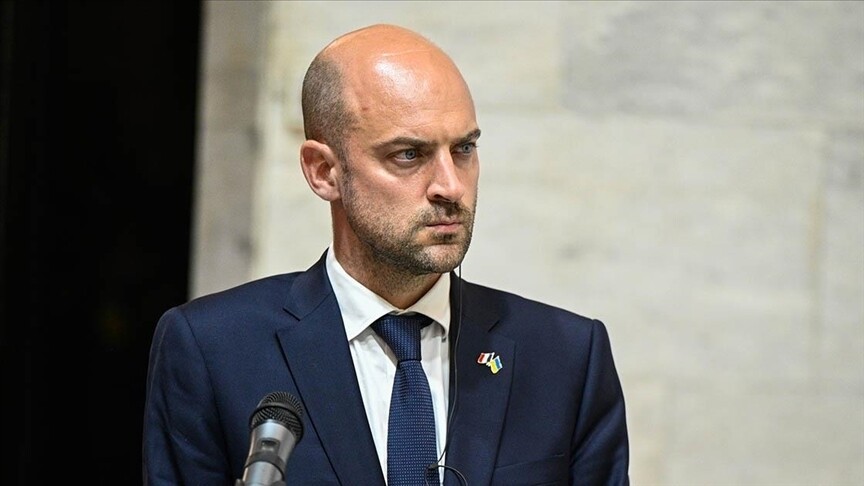
France is significantly ramping up its diplomatic engagements with Kenya and international humanitarian bodies as the countdown begins for the high-profile “Africa Forward” summit. The strategic push, characterized by high-level communications and a broadened geopolitical focus, signals Paris’s intent to redefine its role on the African continent by prioritizing economic partnership and innovation over traditional spheres of influence.
The upcoming summit, scheduled for May 11 and 12 in Nairobi, represents a pivotal moment for French-African relations. By co-organizing the event with Kenya, France is pivoting toward East Africa, seeking to build bridges with anglophone nations and diversify its continental alliances. This shift comes at a time when France is seeking to transition from a legacy of colonial-era diplomacy to a modern framework based on mutual investment and sustainable development.
Central to these preparations is a series of diplomatic exchanges aimed at ensuring the summit delivers tangible outcomes. French officials have emphasized that the gathering will not be a mere ceremonial event but a catalyst for concrete projects in critical sectors, including digital infrastructure, energy transition, and food security. The scale of the event is expected to be substantial, with more than 30 heads of state slated to attend, alongside thousands of representatives from the private sector, civil society, and international institutions.
A Strategic Pivot: The Road to Nairobi
The intensification of diplomatic activity was highlighted by a recent high-level telephone conversation between the French Minister for Europe and Foreign Affairs, Jean-Noël Barrot, and Kenya’s Prime Minister and Minister of Foreign Affairs, Musalia Mudavadi. The discussions focused on the final logistical and thematic preparations for the Africa Forward summit, ensuring that the agenda aligns with the current economic priorities of both the French government and its African partners.

For Paris, the choice of Nairobi as a host city is a calculated diplomatic signal. By centering its efforts in Kenya—a regional powerhouse and a hub for innovation in East Africa—France is effectively expanding its reach beyond its traditional “pré carré” (private backyard) in Francophone West and Central Africa. This diversification is essential as the continent experiences a surge in new global partnerships and a growing demand for autonomy and equitable trade terms.
According to statements from the French Ministry for Europe and Foreign Affairs, the summit is designed to foster “cross-investments” and promote collaborative projects. This approach suggests a move away from the traditional aid-based model toward a more symmetric partnership where French expertise in technology and infrastructure meets African market dynamism and entrepreneurial growth.
Core Pillars: Innovation, Energy, and Food Security
The “Africa Forward” framework is built upon several strategic pillars designed to address the most pressing challenges facing the continent today. French diplomacy is currently prioritizing five key areas for investment and cooperation:

- Innovation and Digital Transformation: Leveraging French tech expertise to support Africa’s burgeoning digital economy, focusing on fintech, agritech, and the expansion of internet connectivity.
- Energy and Climate Resilience: Promoting renewable energy projects to support Africa’s industrialization while meeting global climate goals.
- Health Infrastructure: Strengthening local pharmaceutical production and healthcare delivery systems to prevent future pandemics and improve general public health.
- Food Security: Developing sustainable agricultural practices and improving supply chain resilience to combat food instability across the region.
- Connectivity Infrastructure: Investing in transport and logistics to facilitate intra-African trade and improve access to global markets.
These priorities reflect a broader understanding that economic stability in Africa is inextricably linked to global security and prosperity. By focusing on these sectors, France aims to position itself as a reliable partner in Africa’s long-term development, moving beyond political alignment toward shared economic interests.
Humanitarian Coordination and Global Solidarity
Parallel to the economic agenda, France is integrating a strong humanitarian component into its pre-summit diplomacy. Minister Jean-Noël Barrot has engaged in discussions with the United Nations High Commissioner for Refugees (UNHCR) to align the summit’s goals with international efforts to manage displacement and refugee crises across the continent.
The collaboration with the UNHCR is intended to ensure that the economic gains discussed at the Africa Forward summit are inclusive and reach the most vulnerable populations. By linking investment strategies with humanitarian imperatives, France is attempting to project a holistic approach to leadership—one that balances the pursuit of profit and partnership with a commitment to human rights and stability.
This humanitarian focus is particularly relevant given the ongoing volatility in several African regions. The integration of the UNHCR into the diplomatic lead-up suggests that France recognizes that sustainable investment cannot occur in a vacuum of instability. Addressing the root causes of migration and displacement is therefore viewed as a prerequisite for the long-term success of the innovative partnerships proposed in Nairobi.
What Which means for France-Kenya Diplomatic Relations
The deepening of France-Kenya diplomatic relations marks a significant evolution in how Paris views its continental strategy. Kenya has emerged as a critical gateway for France into the East African Community (EAC), providing a stable environment for investment and a sophisticated partner in diplomatic negotiations.

For Kenya, the partnership offers access to European markets and advanced technological transfers. The co-hosting of a summit of this magnitude elevates Nairobi’s status as a diplomatic capital, reinforcing its role as a mediator and leader in African affairs. The synergy between the two nations is expected to yield specific bilateral agreements on energy and digital infrastructure, which will likely be announced during the summit proceedings.
Analysts suggest that this “silent revolution” in French diplomacy—moving toward a more flexible, less prescriptive relationship with African states—is a necessary response to the changing geopolitical landscape. As other global powers increase their footprint in Africa, France’s success will depend on its ability to offer value-driven partnerships rather than relying on historical ties.
Key Takeaways: Africa Forward Summit
- Dates and Location: The summit will take place on May 11 and 12, 2026, in Nairobi, Kenya.
- Scale: Expected attendance of over 30 heads of state and thousands of private and public sector representatives.
- Strategic Shift: France is pivoting toward anglophone Africa, using Kenya as a primary hub for new partnerships.
- Priority Sectors: Key focuses include digital innovation, energy transition, food security, and healthcare.
- Humanitarian Link: Direct coordination with the UNHCR to ensure economic development is paired with refugee and displacement support.
As the delegation prepares to depart for Nairobi, the international community will be watching to see if the “Africa Forward” initiative can translate diplomatic rhetoric into measurable economic progress. The success of the summit will be measured not by the number of attendees, but by the volume of signed agreements and the actual deployment of capital into the priority sectors identified by Minister Barrot and Prime Minister Mudavadi.
The next confirmed checkpoint for this diplomatic effort is the official commencement of the Africa Forward summit on Monday, May 11, 2026, where the first round of bilateral agreements and joint declarations are expected to be released.
We invite our readers to share their perspectives on the evolving nature of European-African partnerships in the comments below. How should global powers balance investment with humanitarian needs? Share this article to join the conversation.