
Patients in the Örebro region of Sweden are reporting significant shortcomings in the medical care provided to those living with obesity. A recent report from Obesitas Sverige has highlighted critical gaps in how healthcare centers are managing patients with obesity, raising concerns about both medical accuracy and the quality of patient interactions.
The findings suggest that some patients in Region Örebro have been diagnosed with obesity without receiving a correct medical examination from their physicians. This lack of thoroughness, combined with criticism regarding the equipment available at local health centers, suggests a systemic failure in providing the standard of care required for this patient population.
Medical professionals are now warning that these shortcomings in Örebro’s care for patients with obesity may lead to a dangerous trend: patients avoiding necessary medical help. Björn Sandell, a district physician, expressed concern that poor treatment and a lack of professional empathy could discourage overweight individuals from seeking the care they need to manage their health.
This situation stands in contrast to the region’s established guidelines. Region Örebro län maintains a dedicated resource for healthcare providers on obesity, which defines the condition as a disease where the body’s fat tissue increases to a level that impacts health. Despite the existence of these guidelines, the report indicates a disconnect between official policy and the actual experience of patients at primary care clinics.
Systemic Failures in Primary Care Diagnostics
The report by Obesitas Sverige emphasizes that the initial point of contact—the local health center—is where many failures occur. The primary concern is the diagnostic process; when a patient is diagnosed with obesity without a proper medical examination, the underlying causes or comorbid conditions may be overlooked. This can lead to incomplete treatment plans and a failure to address the holistic needs of the patient.
Beyond the diagnostic process, the physical environment of the clinics has arrive under scrutiny. Patients and advocates have criticized the equipment available at these centers, noting that standard medical tools are often not adapted for patients with larger bodies. This lack of appropriate equipment can make basic examinations tricky and can further alienate patients who already feel marginalized by the healthcare system.
Jenny Vinglid, the Secretary General of Obesitas Sverige, has joined district physician Björn Sandell in voicing alarm over these developments. The fear is that the combined effect of inadequate equipment and a perceived lack of empathy from staff creates a barrier to care that could result in worsening health outcomes for the region’s population.
The Role of the Obesity Unit in Region Örebro
To understand the gap in care, We see helpful to look at the specialized resources the region does provide. Region Örebro län operates an Obesity Unit (Överviktsenheten), which serves as a county-wide knowledge center for adults. This multidisciplinary team includes psychologists, physicians, dieticians, physiotherapists, and nurses.
The Obesity Unit is tasked with several critical functions to improve regional care, including:
- Arranging education and networking meetings for healthcare providers.
- Providing method support to practitioners within the region’s municipalities.
- Offering both group-based and internet-based individual treatments.
- Conducting research and development regarding obesity treatment.
However, the transition from primary care to this specialized unit requires a referral based on specific criteria. According to the region’s guidelines, patients aged 18–70 may be referred if they have undergone a basic investigation including BMI and blood tests for TSH, glucose, ALAT, cholesterol, LDL, and triglycerides. The referral is typically granted if the patient’s health is negatively affected by fat tissue in one of three ways:
- Metabolic impact: Such as high blood pressure, high blood fats, fatty liver, infertility, or type 2 diabetes.
- Mechanical impact: Such as sleep apnea syndrome, increased pain in weight-bearing joints, urinary incontinence, or reduced mobility in daily routines.
- Mental impact: Including depression, anxiety, and the avoidance of social situations due to weight or body shape.
The Gap Between Specialized Care and Primary Access
The conflict highlighted by the report from Obesitas Sverige is that while the specialized Obesity Unit has a clear framework for treatment, the “front door” of the healthcare system—the primary care clinics—is failing. If patients are not treated with respect or are not properly examined at the clinic level, they may never reach the specialized care provided by the Obesity Unit.
When a physician fails to conduct a correct medical examination, they are not only ignoring the patient’s immediate needs but are also potentially failing to meet the referral criteria necessary to get the patient into the specialized system. This creates a cycle where the most vulnerable patients are the least likely to receive the high-level care the region is capable of providing.
Impact of Patient Treatment on Public Health
The psychological impact of “poor treatment” (bemötande) in a medical setting is a well-documented driver of healthcare avoidance. For patients with obesity, who often face societal stigma, a negative experience at a doctor’s office can reinforce the belief that the medical system is not designed for them.
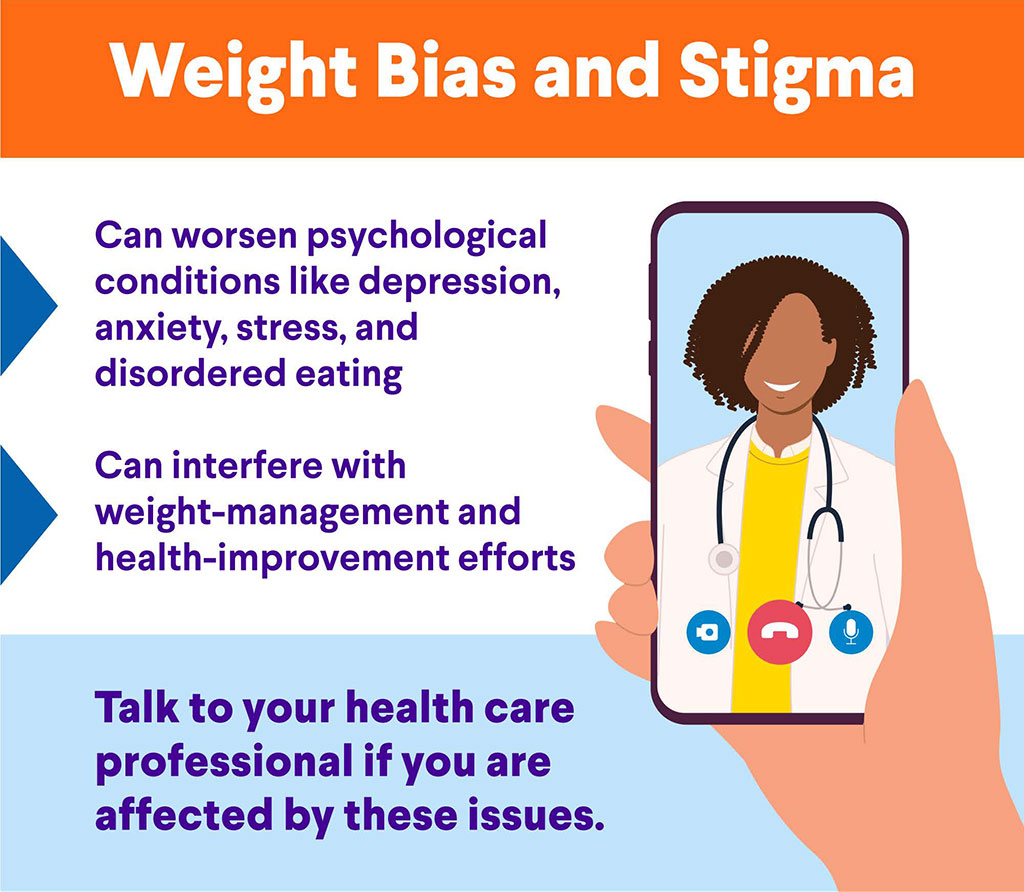
When patients avoid seeking care, the long-term costs to the public health system increase. Untreated obesity often leads to the very complications the Region Örebro guidelines aim to manage—such as diabetes and cardiovascular disease. By failing to provide a welcoming and clinically sound environment at the primary care level, the system risks increasing the prevalence of these chronic conditions.
Key Takeaways from the Obesitas Sverige Report
- Diagnostic Errors: Patients are being diagnosed with obesity without receiving proper medical examinations.
- Inadequate Facilities: Equipment at local health centers is criticized for not being suitable for patients with obesity.
- Patient Avoidance: Poor treatment by staff is which may discourage patients from seeking essential healthcare.
- Policy Disconnect: There is a gap between the high standards of the specialized Obesity Unit and the actual care delivered at primary clinics.
As the healthcare system in Region Örebro attempts to align its primary care practices with its specialized guidelines, the focus must remain on the patient experience. Ensuring that every patient, regardless of size, is met with professional empathy and a thorough clinical approach is essential for improving overall health outcomes in the region.
Further updates regarding the response from Region Örebro to the Obesitas Sverige report are expected as the region reviews its primary care protocols.
Do you have experience with obesity care in your region? Share your thoughts in the comments below or share this article to raise awareness about healthcare accessibility.
Keep reading