
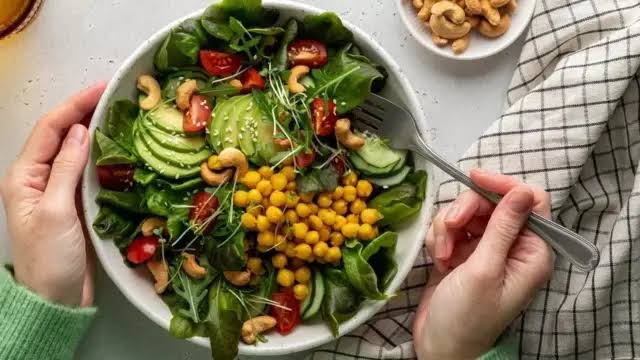

It’s a common belief that embracing a plant-based diet automatically equates to a healthier heart. However, recent research reveals a more nuanced picture, highlighting the critical role of food processing. As of January 11, 2026, a large-scale study published indicates that the benefits of plant-forward eating can be considerably undermined by a heavy reliance on ultra-processed foods.
The Impact of Ultra-Processed Foods on Heart Health
Researchers discovered a concerning link between diets rich in commercially baked goods, pre-made pasta dishes, and packaged soups and an increased risk of cardiovascular issues. Specifically, these dietary patterns were associated with a 46% higher chance of developing coronary artery disease and a 38% increase in the risk of overall cardiovascular disease. This finding challenges the simplistic notion that simply *being* plant-based is enough to safeguard your heart.
I’ve found in my practice that many people assume a vegetarian or vegan label automatically means “healthy.” But it’s crucial to look beyond the label and examine the *quality* of the food you’re consuming. A diet filled with refined carbohydrates and unhealthy fats, even if plant-derived, can be just as detrimental as a diet high in animal products.
Whole Foods: The Heart-Healthy Foundation
Conversely, the study demonstrated a substantial protective affect from plant-based diets centered around whole, unprocessed foods. These diets were linked to a 44% reduction in the risk of coronary artery disease. This underscores the importance of prioritizing fruits, vegetables, whole grains, and minimally processed natural foods.
What does this mean for you? It’s not about eliminating entire food groups, but rather about making informed choices. Focus on building your meals around whole, unprocessed ingredients. Think vibrant salads, hearty vegetable soups, and whole-grain bowls.
did You Know? The American Heart Association





