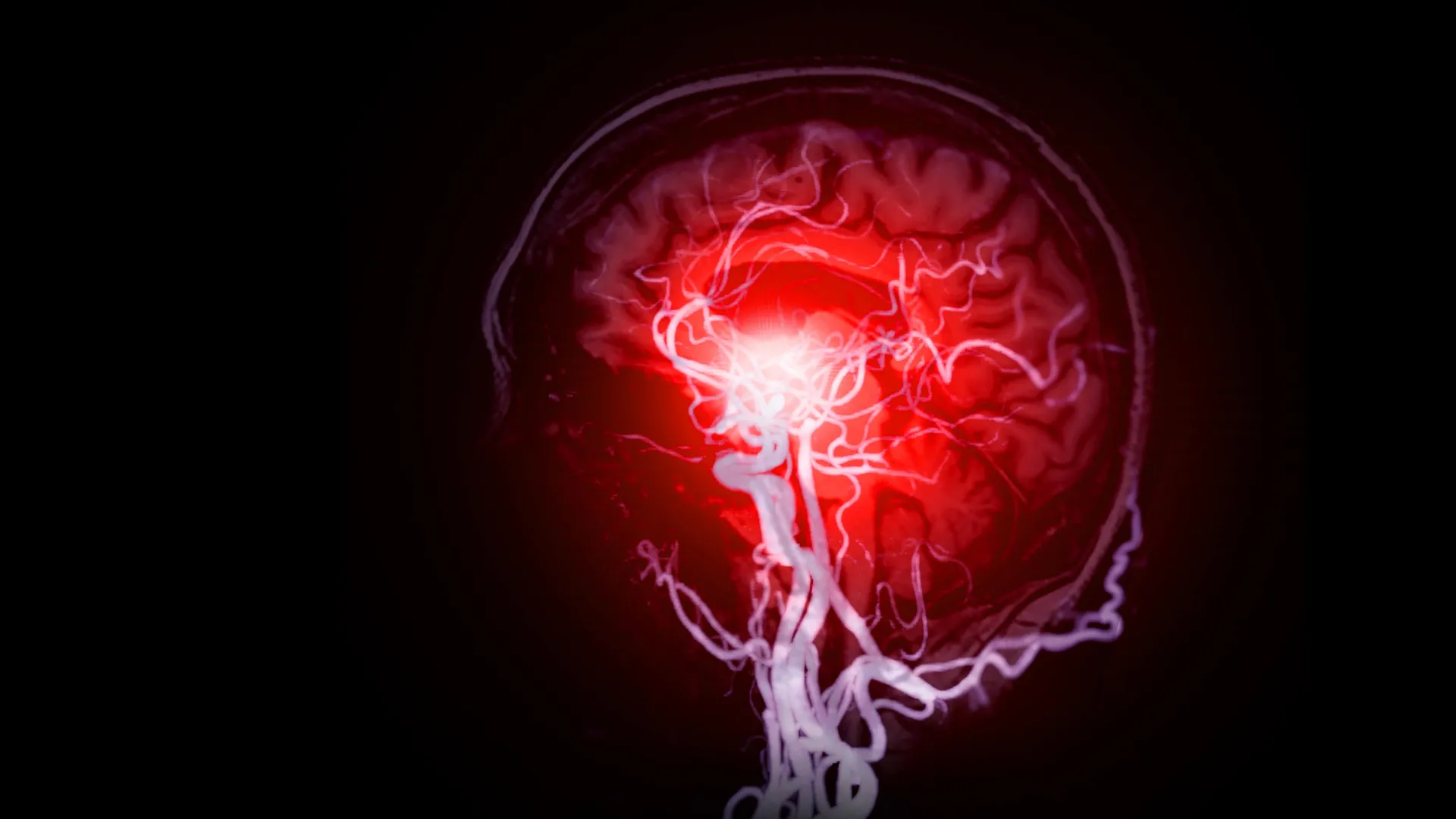
Unraveling vascular Dementia: A New Path Towards Understanding, Diagnosis, and Treatment
Vascular dementia, a significant contributor to cognitive decline, has long remained in the shadow of Alzheimer’s disease in terms of research and understanding. While Alzheimer’s, characterized by amyloid plaques and tau tangles, has received substantial attention, the complexities of vascular dementia – cognitive impairment stemming from damage to the brain’s intricate network of small blood vessels – are only now beginning to be fully illuminated. A groundbreaking new model,spearheaded by Dr. Elaine Bearer at The University of New Mexico, promises to revolutionize how we characterize, diagnose, and ultimately treat this widespread condition.
The Challenge of Defining Vascular Dementia
For years, researchers have recognized links between conditions like hypertension, atherosclerosis, and diabetes and the development of vascular dementia. Though, pinpointing the specific pathological processes at play has proven elusive. “we have been flying blind,” explains Dr. bearer, Harvey Family Endowed and Distinguished Professor in the UNM School of Medicine’s Department of Pathology. “The various vascular pathologies haven’t been comprehensively defined, so we haven’t known what we’re treating.” This lack of clarity has hindered the development of targeted therapies and effective preventative strategies.
A New Framework for Classification
Dr. Bearer’s research, recently featured in the American Journal of Pathology, proposes a novel framework for categorizing the diverse forms of vascular dementia. Her work identifies ten distinct disease processes that contribute to vascular-based brain injury. These processes typically involve disruptions in oxygen and nutrient delivery, leakage from blood vessels, inflammation, and impaired waste removal – all culminating in tiny strokes that silently damage neurons.
Crucially, Dr. Bearer doesn’t just identify these processes; she outlines a suite of advanced diagnostic techniques, including specialized staining methods and cutting-edge microscopy, to detect them.This practical request is vital for translating research findings into clinical practice.
The Unexpected Link to Alzheimer’s and the Emerging Threat of Microplastics
Dr. Bearer’s meticulous examination of brain tissue donated by New Mexicans with dementia revealed a surprising finding: a significant overlap between vascular dementia and alzheimer’s disease. “We suspect that in New Mexico,maybe a half of our Alzheimer’s people also have vascular disease,” she notes. This suggests that vascular damage may be a contributing factor in a substantial proportion of Alzheimer’s cases, highlighting the importance of considering vascular health in the diagnosis and management of both conditions.
However,the most startling finding centers around the presence of nano- and microplastics within the brain. This relatively new area of examination is rapidly changing our understanding of dementia pathology. Dr. Bearer’s research demonstrates a correlation between the quantity of these plastic particles and the severity and type of dementia, and also increased levels of inflammation.
“Nanoplastics in the brain represent a new player on the field of brain pathology,” she emphasizes. “All our current thinking about Alzheimer’s disease and other dementias needs to be revised in light of this discovery.” The long-term health consequences of this exposure are still unknown, but the findings underscore the urgent need for further research.
Towards a National Consensus and Improved Patient Outcomes
Dr. Bearer’s work is not conducted in isolation. It builds upon years of collaboration with Dr. Gary Rosenberg, Professor of Neurology and Director of the UNM Alzheimer’s Disease Research Center (ADRC), which received a substantial $21.7 million NIH grant in 2024 to support this critical research.
The ultimate goal is to establish a standardized approach to diagnosing and scoring the severity of vascular dementia, both in living patients and post-mortem.To this end, the National Institutes of Health (NIH) is exploring the formation of a consensus group of leading neuropathologists to develop a new classification and scoring system.
Dr. Bearer envisions a future were neuropathology ADRC cores across the country adopt these consensus guidelines, leading to more accurate diagnoses, improved treatment strategies, and perhaps, even cures.”Describing the pathological changes in this comprehensive way is really new,” she states. “What I’m hoping will come out of this paper is working with other neuropathology ADRC cores across the country to develop consensus guidelines for classifying vascular changes and the impact of nano- and microplastics on the brain.”
Why This Matters: A Call for Proactive Brain Health
Dr. Bearer’s research represents a paradigm shift in our understanding of vascular dementia. By providing a more nuanced and comprehensive framework for diagnosis and treatment, she is paving the way for improved patient outcomes and a more hopeful future for those affected by this debilitating condition.
This work also underscores the importance of proactive brain health. managing conditions like hypertension, diabetes, and atherosclerosis, alongside minimizing exposure to
Worth a look
- South Korea Considers Health Insurance Premium Hikes Amid Projected Deficits
- How Physical Space Shapes Patient Experience, Brand, and Healthcare Performance
- Obesity Linked to Accelerated Brain Aging and Early Memory Loss (archyworldys.com)
- Chef Lee Moon-jung Reveals Secret Pregnancy While Working (archynewsy.com)