
For many of us, the idea of a “steady” heartbeat is the gold standard of health. We imagine a metronome—perfect, rhythmic, and unchanging. However, in the world of cardiovascular science and neurology, a perfectly regular heartbeat is actually a sign of stress or illness. The true marker of a resilient body and a balanced mind is not steadiness, but variation.
This phenomenon is known as heart rate variability (HRV), and it has emerged as one of the most potent non-invasive windows into our internal state. Unlike your resting heart rate, which measures beats per minute, HRV measures the specific time intervals between those beats. These millisecond differences reveal how your body is responding to the environment, managing stress, and recovering from the demands of daily life.
As a physician and journalist, I have seen a surge in interest regarding HRV, driven largely by the proliferation of wearable technology. But beyond the gadgets, the science of HRV offers a profound bridge between our physical and mental health. By understanding the fluctuations of our heart’s rhythm, we can gain actionable insights into our emotional regulation, cardiovascular fitness, and overall longevity.
Whether you are an athlete looking to optimize recovery or someone navigating the pressures of a high-stress career, mastering the concept of heart rate variability can transform how you approach wellness. It shifts the conversation from reactive care—treating symptoms after they appear—to proactive modulation of the nervous system.
What Exactly is Heart Rate Variability?
To understand HRV, we must first dispel the myth of the rhythmic heart. If your heart beats 60 times per minute, it does not beat exactly once every second. Instead, one gap might be 0.9 seconds, and the next might be 1.1 seconds. This constant, subtle shifting is the “variability.”
This variation is controlled by the autonomic nervous system (ANS), the part of your nervous system that manages involuntary functions like digestion, breathing, and heart rate. The ANS is divided into two primary branches that act like a biological accelerator and brake: the sympathetic nervous system (SNS) and the parasympathetic nervous system (PNS). The autonomic nervous system constantly adjusts these signals to keep the body in homeostasis.

The sympathetic branch is responsible for the “fight or flight” response. When you are stressed, threatened, or exercising, the SNS dominates, increasing your heart rate and making the intervals between beats more regular (lowering your HRV). Conversely, the parasympathetic branch governs the “rest and digest” state. When the PNS is active, it slows the heart and increases the variation between beats, resulting in a higher HRV.
a high HRV generally indicates that your body is flexible and capable of switching between these two states efficiently. It suggests a dominant parasympathetic tone, meaning your body is well-recovered and ready to handle new stressors. A consistently low HRV, often suggests that the sympathetic nervous system is overactive, leaving the body in a state of chronic tension or fatigue.
The Biological Link Between Heart Rhythm and Mental Health
The heart and the brain are in a constant, bi-directional conversation. While we often think of the brain as the sole commander, the heart sends more signals to the brain than the brain sends to the heart. This connection is primarily mediated by the vagus nerve, the longest nerve in the body and the primary component of the parasympathetic nervous system.
Heart rate variability serves as a proxy for “vagal tone.” High vagal tone is closely associated with the ability to regulate emotions and recover from psychological stress. When the vagus nerve is functioning optimally, it can effectively “brake” the stress response, allowing us to remain calm under pressure or return to a state of equilibrium quickly after a confrontation or a panic attack.
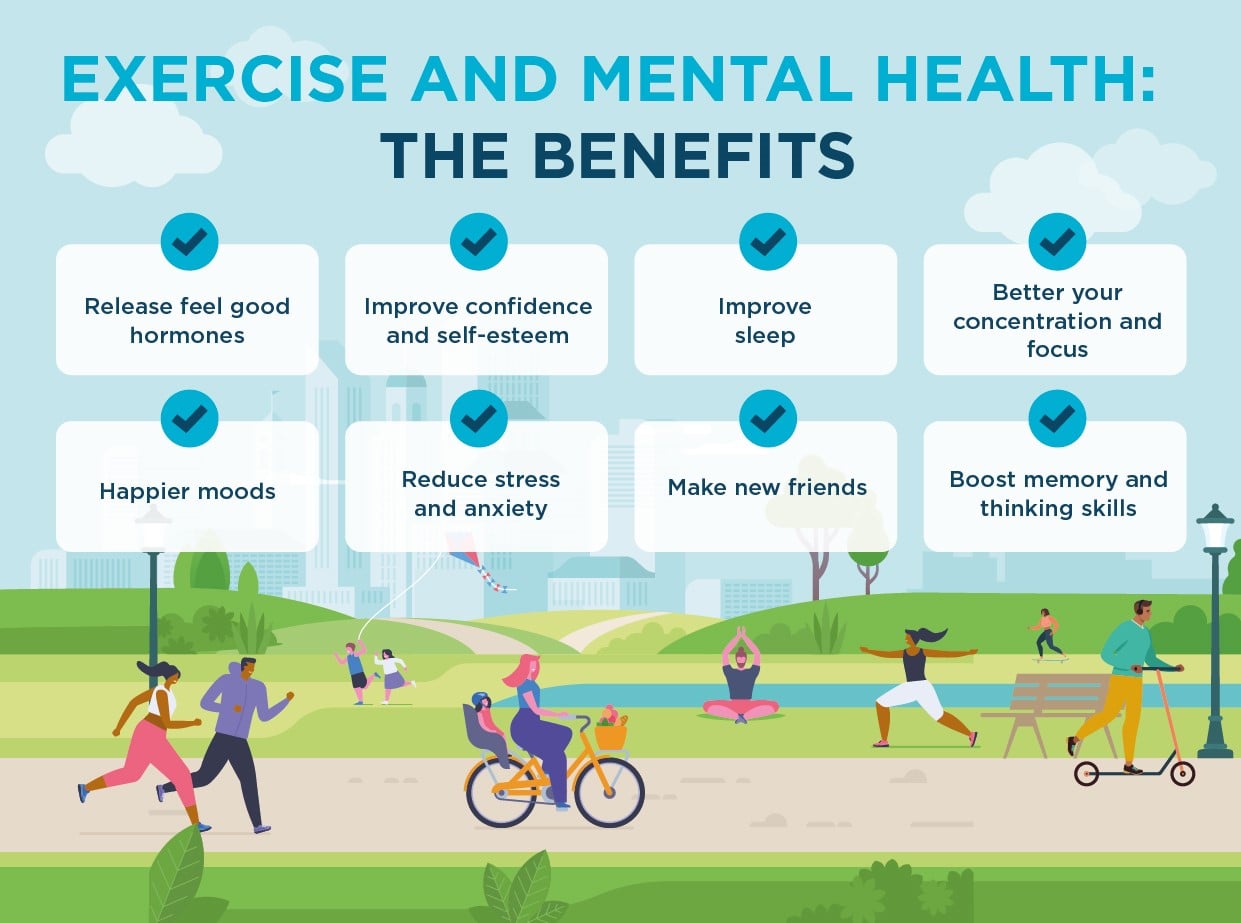
Research has consistently shown that individuals with lower HRV are more susceptible to mood disorders. For instance, chronic stress and anxiety often keep the body in a sympathetic-dominant state, which suppresses HRV. Over time, this lack of variability can impair the prefrontal cortex—the area of the brain responsible for executive function and decision-making—making it harder to manage emotions and more likely that one will succumb to burnout or depression.
By monitoring HRV, individuals can identify the early warning signs of mental fatigue before they manifest as full-blown crises. When we see a significant drop in HRV, it is often a signal that the mind is overwhelmed, even if the person feels “fine” consciously. This provides a biological justification for prioritizing mental health interventions like mindfulness, deep breathing, and adequate sleep.
Physical Health, Athletic Performance, and Recovery
In the realm of physical health, HRV has become a cornerstone of modern sports science. For athletes, the goal is not just to train hard, but to train smart. Overtraining syndrome occurs when the volume and intensity of exercise exceed the body’s ability to recover, leading to a plateau or a decline in performance.
HRV is an exceptional tool for detecting this tipping point. A sudden, sustained drop in HRV often precedes the physical symptoms of overtraining, such as increased resting heart rate or decreased power output. By tracking these trends, athletes can implement “deload” weeks or active recovery days exactly when their nervous system requires it, rather than following a rigid, predetermined schedule.
Beyond athletics, HRV is a powerful indicator of general cardiovascular health. A healthy, flexible heart is more responsive to the needs of the body. Clinical studies have indicated that low HRV is associated with an increased risk of cardiovascular events and overall mortality. Specifically, a low HRV can be a marker for systemic inflammation or autonomic dysfunction, which may accompany conditions like diabetes or hypertension.
sleep quality is both a driver and a reflection of HRV. During deep sleep, the parasympathetic nervous system should dominate, allowing HRV to rise as the body repairs tissues and consolidates memories. If HRV remains low during the night, it often indicates that the body is fighting an infection, processing extreme stress, or suffering from sleep apnea, preventing the heart from entering its restorative state.
Practical Strategies to Improve Your Heart Rate Variability
The most empowering aspect of HRV is that it is not a fixed trait. While genetics and age play a role, you can actively train your nervous system to be more resilient and increase your HRV through specific lifestyle interventions.
1. Focused Breathing and Mindfulness
The fastest way to influence the vagus nerve is through the breath. Slow, diaphragmatic breathing—specifically “resonant frequency breathing” (typically around 5.5 to 6 breaths per minute)—can synchronize the heart rate with the breath, a state known as coherence. This practice stimulates the parasympathetic nervous system and can cause an immediate, albeit temporary, increase in HRV.
2. Prioritizing Sleep Hygiene
Consistency is key. Maintaining a regular sleep-wake cycle helps regulate the circadian rhythms that govern the ANS. Avoiding blue light and stimulants before bed ensures that the body can transition from the sympathetic “alert” state to the parasympathetic “recovery” state more effectively.
3. Strategic Physical Activity
While intense exercise temporarily lowers HRV due to the stress it places on the body, regular aerobic exercise increases long-term HRV by improving overall cardiovascular efficiency and increasing vagal tone. The key is balance; mixing high-intensity interval training (HIIT) with low-intensity steady-state (LISS) activity, such as walking or yoga, prevents the nervous system from becoming chronically overtaxed.
4. Nutrition and Hydration
Dehydration reduces blood volume, forcing the heart to work harder and often lowering HRV. Diets rich in omega-3 fatty acids and antioxidants help reduce systemic inflammation, which in turn supports a healthier autonomic response.
Navigating the Data: A Word of Caution
With the rise of Oura rings, Whoop straps, and Apple Watches, we have more data than ever. However, it is crucial to interpret HRV data correctly. HRV is highly individual; a “good” number for one person might be a “poor” number for another. Comparing your HRV to a peer’s is biologically meaningless.
The value of HRV lies in the trend, not the daily snapshot. A single day of low HRV might simply be the result of a late dinner, a glass of wine, or a poor night’s sleep. It becomes clinically or practically significant when you see a downward trend over several days or weeks. This is when the data should prompt a change in behavior—such as increasing rest or reducing work demands.
It is also important to remember that while wearables are excellent for tracking trends, they are not medical-grade diagnostic tools. If you experience symptoms such as chest pain, severe shortness of breath, or fainting, you should consult a physician for an electrocardiogram (ECG), which remains the gold standard for cardiac assessment.
Key Takeaways for Long-Term Wellness
- HRV is not heart rate: It measures the variation in time between beats, reflecting the balance of your autonomic nervous system.
- High HRV equals resilience: A higher variability generally indicates a body that is well-recovered and a mind that is better equipped to handle stress.
- The Vagus Nerve is the key: HRV is a window into vagal tone, which directly impacts emotional regulation and mental health.
- Trends over snapshots: Focus on your personal baseline and long-term trends rather than daily fluctuations.
- Actionable recovery: Use drops in HRV as a signal to prioritize sleep, hydration, and mindfulness.
Understanding heart rate variability allows us to stop guessing about our health and start listening to the biological signals our bodies are already sending. By fostering a flexible nervous system, we do more than just protect our hearts; we build the psychological and physical infrastructure necessary to thrive in an increasingly demanding world.
As research continues to evolve, we can expect HRV to move from the fringes of athletic training into the mainstream of preventative medicine and mental health therapy. The goal is a life of balance—knowing when to push and, more importantly, knowing when to pause.
The medical community continues to refine the standards for HRV measurement in clinical settings, with upcoming studies focusing on the use of HRV for early detection of autoimmune flares and depressive episodes. Stay tuned for updates as these diagnostic capabilities expand.
Do you track your HRV? Have you noticed a correlation between your data and your stress levels? Share your experiences in the comments below or share this article with someone looking to optimize their health.
Keep reading