
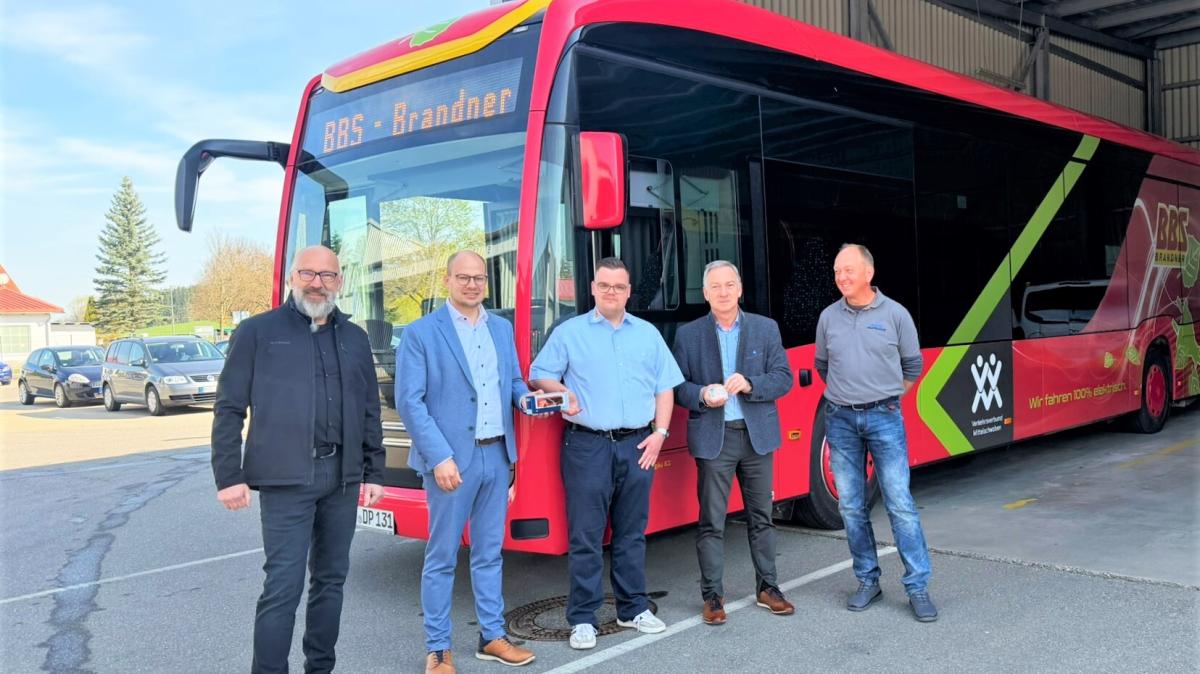
In the picturesque landscapes of the Allgäu region in Bavaria, a new generation is stepping behind the wheel to keep Germany’s regional arteries flowing. Among them is 18-year-old Fabrice König, a resident of Ostallgäu who has recently transitioned from a childhood fascination with heavy machinery to the professional responsibility of transporting passengers. For König, taking the helm of a bus is not merely a job choice but the realization of a lifelong ambition.
König’s entry into the workforce comes at a critical juncture for the German transport sector. While his personal journey is one of passion and early achievement, his presence on the road is a symptom of a much larger economic challenge: a systemic shortage of skilled drivers that is currently straining public transit networks across Europe. As one of the youngest drivers in the region, König represents a vital demographic that the industry is desperate to attract to avoid service collapses in rural and urban hubs alike.
The transition from student to professional driver is a rigorous process, involving not only the acquisition of a commercial driver’s license but also the mastery of safety protocols, scheduling and passenger management. For König, the apprenticeship serves as a bridge between a “childhood dream” and a viable professional career in an industry that is increasingly viewed as a strategic pillar of national infrastructure. His story highlights a shifting trend in vocational training, where the prestige of traditional academic paths is being challenged by the immediate demand and stability of essential technical trades.
The Labor Crisis: Understanding the Driver Shortage in Germany
The excitement of a young driver starting his career stands in stark contrast to the grim statistics facing the German logistics and transport industry. Germany is currently grappling with a profound Fachkräftemangel, or skilled labor shortage, which has reached critical levels in the transport sector. This shortage is not merely a local issue in the Allgäu but a national crisis affecting both long-haul trucking and regional bus services.
Several macroeconomic factors contribute to this void. First, the workforce is aging rapidly; a significant percentage of licensed drivers are reaching retirement age, and there are not enough new entrants to replace them. Second, the profession has historically suffered from a perceived lack of prestige and demanding working conditions, including irregular hours and long periods away from home. According to data from the Federal Ministry of the Interior and Community, the maintenance of critical infrastructure, including transport, is a priority for national security and economic stability, yet the human capital required to operate these systems is dwindling.
In regions like the Allgäu, the impact is felt acutely. Rural areas rely heavily on bus networks to connect residents to schools, hospitals, and employment centers. When driver vacancies go unfilled, the result is often “ausgefallene Fahrten”—cancelled trips—which isolate elderly populations and hinder the mobility of students. The entry of young professionals like Fabrice König is therefore more than a human-interest story; We see a necessary economic intervention to maintain regional connectivity.
Vocational Training and the Appeal of the Transport Sector
The path Fabrice König has taken—pursuing a formal apprenticeship—is the cornerstone of the German “dual education” system. This model, which combines classroom instruction with on-the-job training, is designed to ensure that new entrants are fully integrated into the professional environment before they take full responsibility for passengers. For an 18-year-old, the appeal of this path often lies in the combination of tangible skill acquisition and immediate employment security.

To attract younger candidates, many bus companies in Bavaria and beyond are reimagining their recruitment strategies. This includes offering more competitive starting salaries, providing modern vehicles equipped with the latest assistive technologies, and implementing more flexible scheduling to better suit a younger workforce. The focus has shifted from simply filling a seat to creating a sustainable career path that offers growth opportunities, such as moving into fleet management or logistics planning.
the psychological shift in how these roles are marketed is evident. By highlighting the “dream” aspect of the job—the love of the machine and the service to the community—companies are attempting to rebrand the role of the bus driver from a utilitarian worker to a critical community facilitator. For König, the intrinsic motivation of fulfilling a childhood goal makes him a prime example of the “ideal candidate” that the industry hopes to replicate across the country.
Economic Implications of Regional Transport Stability
From a business perspective, the stability of regional transport is a prerequisite for local economic growth. In the Allgäu, where tourism and agriculture are primary economic drivers, the ability to move people efficiently is paramount. If the transport network fails due to staffing shortages, the “last mile” of connectivity disappears, potentially decreasing the attractiveness of the region for both tourists and new residents.
The cost of the driver shortage is also reflected in the balance sheets of transport companies. To attract drivers in a hyper-competitive market, firms are often forced to increase wages or offer signing bonuses, which can squeeze profit margins unless these costs are passed on to the state or the consumer via higher ticket prices. This creates a complex tension between the need for affordable public transit and the necessity of fair, competitive wages for the workers.
the shortage impacts the transition toward green energy. Germany has ambitious goals for the electrification of its bus fleets. However, the transition to electric buses requires not only new hardware but also updated training for drivers on energy management and regenerative braking systems. Young drivers who are “digital natives” are often more adaptable to these new technologies, making them essential assets in the industry’s push toward decarbonization.
Key Takeaways for the Transport Labor Market
- Demographic Shift: The industry is facing a “retirement wave,” making the recruitment of Gen Z workers like Fabrice König a strategic necessity.
- Vocational Value: The German dual education system remains a powerful tool for bridging the gap between youth unemployment and skilled labor shortages.
- Regional Risk: Rural areas like Allgäu are more vulnerable to service disruptions, increasing the socio-economic importance of every new licensed driver.
- Rebranding Necessity: To survive, the transport sector must shift its image from “low-prestige” to “essential infrastructure” to attract passionate candidates.
What Happens Next for the Allgäu Transport Network?
As Fabrice König continues his journey and gains experience, the broader industry will be watching to see if his path inspires a wider trend among youth in the region. The success of these early-entry programs will likely depend on the continued support of regional governments and the willingness of companies to invest in the long-term well-being of their drivers.
The next critical checkpoint for the industry will be the upcoming review of vocational training standards and the potential for further subsidies for commercial driving licenses, which can be prohibitively expensive for individuals to obtain independently. As Germany continues to navigate its labor crisis, the story of a single 18-year-old in the Allgäu serves as a reminder that the solution to systemic economic problems often begins with individual passion and the courage to pursue an unconventional career path.
Do you believe the current crisis in skilled labor can be solved through vocational rebranding, or are deeper structural changes in wages and hours required? Share your thoughts in the comments below or share this analysis with your professional network.