
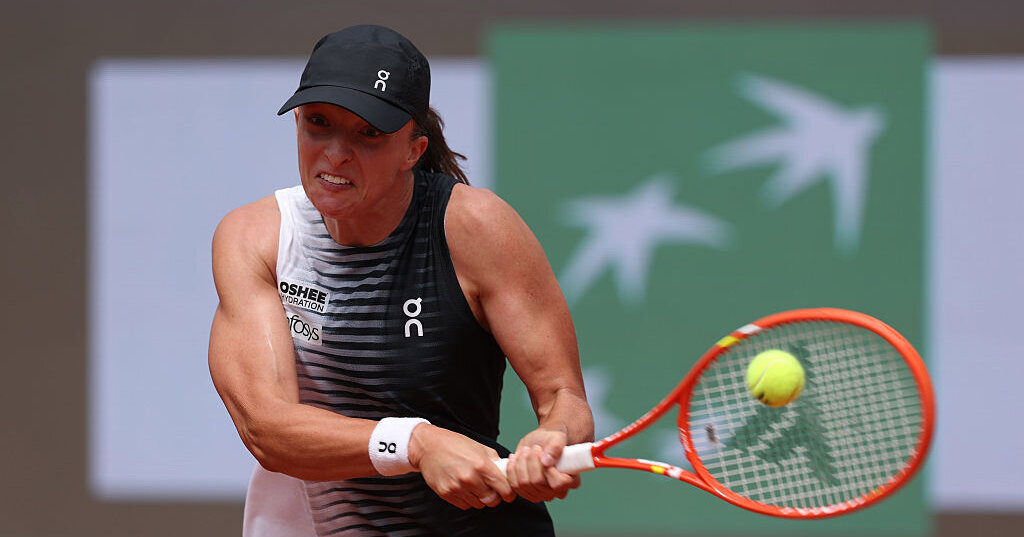
The tennis world is no stranger to the physical tolls of the sport, but a recent incident in Rome has left one of the game’s most prominent coaching teams reeling. In a sudden and unfortunate turn of events, Francisco Roig, the newly appointed coach of world No. 1 and six-time Grand Slam champion Iga Świątek, has suffered a severe injury that will sideline him for a significant period.
The injury, a torn Achilles tendon, occurred during a practice session, turning a routine day of preparation into a medical emergency. While the athlete is often the focus of such setbacks, the impact of a coach’s absence can be equally disruptive, particularly when the partnership is in its nascent stages of development.
The timing of the injury is particularly challenging as the tour navigates the high-pressure clay-court season. For Świątek, who has dominated on this surface, the loss of a key strategic voice in her corner comes at a moment when consistency and mental fortitude are paramount.
A Sudden Setback in Rome
The incident took place during a practice session in Rome, where the team was preparing for the upcoming tournament. According to reports from ESPN, Francisco Roig suffered a complete rupture of his Achilles tendon. The injury is one of the most grueling in sports, typically requiring surgical intervention and a lengthy rehabilitation process.

Iga Świątek, known for her close bond with her support staff, recounted the incident with visible concern. The abrupt nature of the injury—occurring during the course of practice—highlights the physical demands placed on coaches who often engage in active drilling and movement to better assist their players.
While initial reports from some unofficial channels suggested the injury occurred during a lighthearted moment or a bet, verified reports confirm the injury happened during professional practice. The severity of a torn Achilles means that Roig will be unable to provide the on-court guidance and tactical adjustments he was hired to deliver during the critical lead-up to the French Open.
The Role of Francisco Roig in Świątek’s Camp
The addition of Francisco Roig to Świątek’s team was seen as a strategic move to bolster her tactical approach. Roig brings a wealth of experience to the table, most notably his long and successful tenure coaching Conchita Martínez. His expertise in the nuances of the game and his ability to manage the psychological pressures of elite competition made him a highly sought-after addition to any coaching staff.
For a player like Świątek, who has already achieved immense success, the goal of bringing in a seasoned professional like Roig was to find those marginal gains that separate a champion from a dominant force. The synergy between a player and coach is often built on trust and shared intuition—elements that are typically developed through hours of practice and tournament travel.
The injury effectively pauses this developmental phase. The “honeymoon period” of a new coaching relationship is often where the most critical adjustments are made, and the physical absence of Roig from the court means the team must now rely on existing structures and the remaining members of Świątek’s support system.
Impact on the Clay Court Campaign
The Rome Masters is a vital precursor to Roland Garros, and any disruption to a player’s routine can be magnified under the spotlight of the WTA tour. Świątek’s ability to adapt to change has been a hallmark of her career, but the loss of her coach’s physical presence in the player’s box is a tangible blow.
Tennis coaching involves more than just technical advice; it encompasses emotional regulation and real-time tactical pivots. While Roig may still be able to communicate via digital means, the intuitive, non-verbal communication between a coach and player during a high-stakes match cannot be replicated through a screen.
Despite this setback, Świątek has shown remarkable resilience. Having recently recovered from her own health challenges during the Madrid Open, the world No. 1 is entering the Rome swing with a focus on stability. The team’s priority will now be ensuring that her preparation remains uninterrupted while Roig begins his journey toward recovery.
Key Takeaways from the Incident
- The Injury: Francisco Roig suffered a torn Achilles tendon during a practice session in Rome.
- The Impact: The injury will sideline the new coach during a critical phase of the clay-court season.
- The Pedigree: Roig is a highly experienced coach, previously known for his work with Conchita Martínez.
- The Recovery: Achilles ruptures typically require surgery and extensive physical therapy, meaning a prolonged absence from the court.
What Happens Next for Team Świątek?
The immediate focus for the team will be managing the logistical gap left by Roig’s injury. This proves expected that other members of Świątek’s coaching staff will step up to fill the void, ensuring that her training regimen and match-day support remain seamless.

For Francisco Roig, the path forward involves a rigorous medical protocol. The recovery from an Achilles tear is a marathon, not a sprint, involving an initial period of immobilization followed by gradual weight-bearing and strength training. His ability to return to the tour will depend on the success of his surgery and his adherence to a strict rehabilitation schedule.
As the tour moves toward the final stages of the clay season, all eyes will be on how Świątek handles this unexpected void in her team. History suggests she will remain a favorite, but the human element of sports—the bonds and losses within a team—adds a layer of emotional complexity to her pursuit of further titles.
The next confirmed checkpoint for the team will be the official start of the Rome Masters competition, where the adjustments to Świątek’s coaching box will become apparent.
Do you think a coach’s physical presence in the box significantly impacts a player’s performance, or can tactical guidance be handled remotely? Share your thoughts in the comments below.