The Expanding Heart Valve Initiative: A New Era in Early Detection and Treatment of Valvular Heart Disease
For years, aortic stenosis has been a silent threat, often going undetected until it reaches a critical stage. Now, a notable evolution is underway in the fight against all forms of heart valve disease. The American heart Association’s (AHA) new Heart Valve Initiative builds upon the foundation laid by the triumphant Target: Aortic Stenosis™ program, promising a future of earlier diagnosis, more equitable access to care, and improved outcomes for millions. But what dose this initiative entail, what barriers remain, and how can frontline healthcare professionals – including pharmacists – play a pivotal role in transforming valvular heart disease management?
From Aortic Stenosis to a Complete Approach
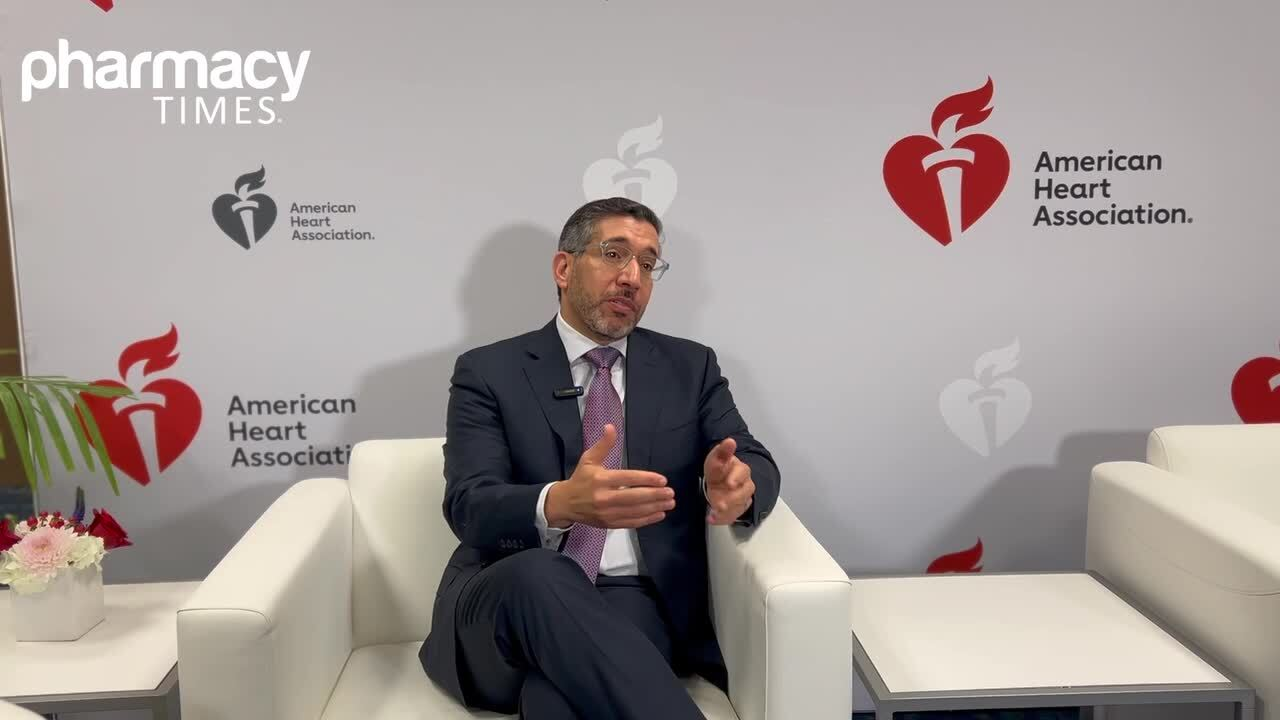
The Target: Aortic Stenosis™ program, launched with the goal of accelerating the diagnosis and treatment of aortic stenosis, demonstrated the power of focused quality enhancement initiatives. The new Heart Valve Initiative doesn’t abandon this success; it supercharges it. according to Sammy Elmariah, MD, MPH, FAHA, a leading expert in the field, the initiative will expand the number of participating sites from approximately 80 to around 200. More importantly, it broadens the scope to encompass all valvular heart disease – including mitral regurgitation, tricuspid stenosis, and pulmonary stenosis - recognizing that the challenges of diagnosis and treatment are consistent across these conditions.
This expansion is crucial. While aortic stenosis receives significant attention, othre valve diseases are equally prevalent and frequently enough overlooked. The initiative’s broadened focus signifies a commitment to a holistic approach to valvular heart disease, addressing a significant gap in cardiovascular care.
Beyond expanding the quality improvement network, the Heart Valve Initiative incorporates several key components:
* Accelerated Research: Dedicated funding and collaborative efforts will drive innovation in diagnostic techniques and treatment strategies.
* Enhanced physician Education: Continuing medical education programs will equip physicians with the latest knowledge and best practices in valvular heart disease management.
* Patient Engagement & Advocacy: Initiatives will empower patients to actively participate in their care, fostering informed decision-making and adherence to treatment plans.
The Diagnostic Gap: Why Timely Diagnosis Remains a Challenge
Despite advancements in cardiology, a significant proportion of patients with aortic stenosis – and likely other valve diseases – remain undiagnosed or untreated. Dr. Elmariah highlights a sobering statistic: studies show that 50% of patients with aortic stenosis do not receive treatment within two years of diagnosis. This delay has profound consequences, as untreated aortic stenosis carries a high risk of morbidity and mortality.
The reasons for this diagnostic gap are multifaceted and extend beyond simply a lack of access to specialized care. A critical issue lies in the initial stages of the patient journey – the primary care visit.
“We have to view [management of heart valve disease] as a continuum,” explains Dr. Elmariah. “It starts with diagnosis. Many of the disparities…begin with the echocardiographic diagnosis.”
This continuum breaks down at several points:
* Stethoscope Use & Murmur Detection: Are healthcare providers consistently utilizing stethoscopes during routine examinations and trained to accurately identify heart murmurs suggestive of valve disease?
* Appropriate Echocardiogram Ordering: Even when a murmur is detected, is an echocardiogram promptly ordered to confirm or rule out valve disease?
* Disparities in Access: do women, minority groups, and the elderly – populations demonstrably at higher risk for poor outcomes – have equitable access to diagnostic testing?
Pharmacists & Frontline Clinicians: Closing the Gaps in Care
Pharmacists and other frontline clinicians are uniquely positioned to address these challenges and improve early detection rates. Their frequent patient interactions and expanding roles in primary care provide opportunities to:
* Promote Awareness: Educate patients about the symptoms of valvular heart disease (shortness of breath, fatigue, chest pain, dizziness) and encourage them to discuss any concerns with their physician.
* Medication review: Identify patients on medications that may mask symptoms of heart failure, perhaps delaying the diagnosis of underlying valve disease.
* Blood Pressure Monitoring: Consistent blood pressure monitoring can sometimes reveal subtle signs of aortic stenosis.
* Advocate for Echocardiograms: When a patient presents with suggestive symptoms or a detected murmur, proactively encourage the ordering of an echocardiogram.
* support Patient Education: provide patients with reliable details about valvular heart disease, treatment options, and the importance of adherence to medical advice.
Looking Ahead: A Future of Proactive Valvular Heart disease Management
The AHA’s Heart Valve Initiative represents a paradigm shift in the approach to valvular heart disease. By expanding the scope of the *





![Early Type 1 Diabetes Detection: Symptoms & Prevention [Podcast]](https://i0.wp.com/kevinmd.com/wp-content/uploads/Design-2-scaled.jpg?resize=330%2C220&ssl=1 "Early Type 1 Diabetes Detection: Symptoms & Prevention [Podcast]")