
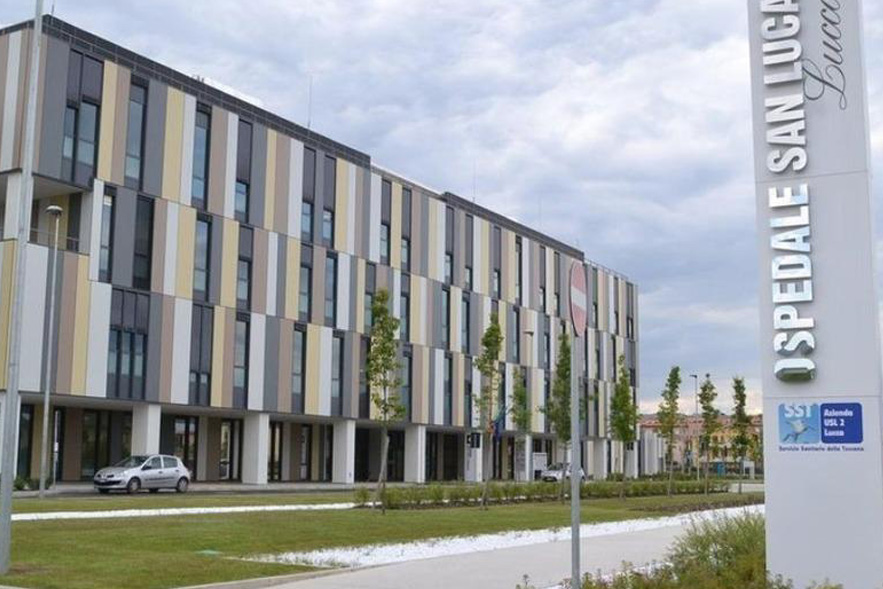
In the high-stakes environment of critical care, there are moments when traditional medical protocols reach their limit. For a 90-year-old woman recently admitted to San Luca Hospital in Lucca, Italy, the situation had reached that precipice. Suffering from severe calcific aortic valve stenosis, the patient was in a state of advanced shock, her body unable to maintain circulatory stability and her breathing severely compromised.
For most patients with this degree of valve failure, the standard of care involves surgical intervention to replace or repair the valve. However, the patient’s extreme clinical gravity and fragility rendered traditional open-heart surgery an impossible risk. In a race against time, the cardiology team at San Luca had to pivot, employing a specialized, minimally invasive technique to restore blood flow and save her life.
The successful execution of a percutaneous aortic valvuloplasty marks a significant milestone for the hospital’s cardiology department. Led by Francesco Bovenzi, the team utilized a “niche” procedure that bypassed the demand for major surgery, offering a lifeline to a patient who would otherwise have been deemed inoperable. This case highlights a growing trend in cardiovascular medicine: the shift toward percutaneous interventions for the most vulnerable patient populations.
The Clinical Crisis: Understanding Severe Aortic Stenosis
To understand the urgency of this case, one must understand the mechanics of the aortic valve. The aortic valve acts as the primary gateway through which oxygenated blood leaves the left ventricle of the heart to be distributed to the rest of the body. In cases of calcific aortic valve stenosis, calcium deposits build up on the valve leaflets, causing them to stiffen and narrow.
When the narrowing becomes severe, the heart must work significantly harder to push blood through a constricted opening. In the case of this 90-year-old patient, the stenosis was so advanced that it led to a total breakdown of circulatory stability. The resulting “advanced shock” means the organs are not receiving enough oxygenated blood, which manifests as the grave respiratory difficulties and instability observed by the clinicians in Lucca.
For a patient of advanced age and fragility, the physiological stress of a traditional thoracotomy—which requires opening the chest and often putting the patient on a heart-lung machine—is frequently fatal. This is where the medical team at San Luca Hospital had to innovate, moving away from the traditional surgical theater and toward a percutaneous approach.
The Solution: Percutaneous Aortic Valvuloplasty
The team opted for percutaneous aortic valvuloplasty, a procedure designed specifically for patients who cannot tolerate the risks of open-heart surgery. The term “percutaneous” literally means “through the skin,” signifying that the procedure is performed via a small puncture rather than a large surgical incision.
Unlike a full valve replacement, which involves inserting a new prosthetic valve, a valvuloplasty focuses on widening the existing valve orifice. This is achieved using a specialized balloon catheter. As the procedure is minimally invasive, it can be performed under local anesthesia, which drastically reduces the systemic stress on a patient already in shock.
From a clinical perspective, this approach is often used as a bridge to more permanent solutions or as a definitive treatment for those whose fragility makes any other option impossible. By prioritizing the restoration of blood flow over the complete replacement of the valve, the physicians were able to stabilize the patient without the trauma of major surgery.
The Balloon Technique: A Step-by-Step Process
The procedure performed at San Luca Hospital follows a precise mechanical sequence, similar in principle to the angioplasty used to treat blocked coronary arteries. The process begins with access to the vascular system, typically through the femoral artery in the groin.
- Vascular Access: A small incision is made in the skin to access the femoral artery, providing a direct highway to the heart.
- Catheter Placement: A thin, flexible catheter equipped with a deflated balloon at its tip is threaded through the artery and guided upward into the aorta until it reaches the stenotic aortic valve.
- Dilation: Once the balloon is precisely positioned across the narrowed valve, it is inflated. This force pushes the calcified leaflets outward, widening the opening of the valve.
- Blood Flow Restoration: Once the orifice is dilated, the balloon is deflated and removed. The increased diameter of the valve allows blood to flow more freely from the heart to the body, alleviating the respiratory distress and stabilizing the patient’s circulation.
For the 90-year-old patient in Lucca, this mechanical widening was the difference between certain fatality and survival. By restoring the “deflusso del sangue” (blood outflow), the medical team was able to reverse the immediate threats of shock and respiratory failure.
Why This Case Matters for Geriatric Cardiac Care
The success of this procedure under the direction of Francesco Bovenzi underscores a critical evolution in how we treat the elderly. For decades, many elderly patients with severe valve disease were simply labeled “inoperable.” However, the development of percutaneous techniques is expanding the boundaries of who can be saved.
The leverage of percutaneous aortic valvuloplasty is considered a “niche” procedure because it is not the primary choice for most patients—TAVI (Transcatheter Aortic Valve Implantation) is more common for permanent replacement. However, in the specific context of advanced shock and extreme fragility, the simplicity and speed of a balloon valvuloplasty can be the only viable option. It provides an immediate hemodynamic benefit with minimal procedural risk.
This case serves as a reminder that medical “impossibility” is often a matter of technique. When traditional surgery is off the table, the ability to adapt and utilize percutaneous tools allows clinicians to provide life-saving care to patients regardless of their age or clinical fragility.
Key Takeaways: Percutaneous Valvuloplasty vs. Traditional Surgery
| Feature | Traditional Valve Surgery | Percutaneous Valvuloplasty |
|---|---|---|
| Incision | Large (Sternotomy/Open Chest) | Small (Femoral Artery Puncture) |
| Anesthesia | General Anesthesia | Local Anesthesia |
| Heart Status | Often stopped (Heart-Lung Machine) | Beating Heart |
| Patient Risk | High for fragile/elderly patients | Significantly lower systemic stress |
| Primary Goal | Permanent replacement of valve | Immediate dilation of valve orifice |
As we move forward, the integration of these minimally invasive techniques into standard geriatric care will likely reduce mortality rates for patients previously deemed untreatable. The team at San Luca Hospital has demonstrated that even in the most dire circumstances, precision and adaptability in cardiology can produce successful outcomes.
The patient continues to be monitored as she recovers from the procedure. The medical community awaits further data on the long-term stability of the dilated valve in patients of this age group, but the immediate result is a victory for innovative, patient-centered care.
For those seeking more information on heart valve health or the latest in minimally invasive cardiology, we recommend consulting the American Heart Association or the Mayo Clinic for clinical guidelines on aortic stenosis.
We invite our readers to share their thoughts or experiences with minimally invasive medical procedures in the comments below. Please share this article to aid spread awareness of the evolving options for elderly cardiac care.
Keep reading