
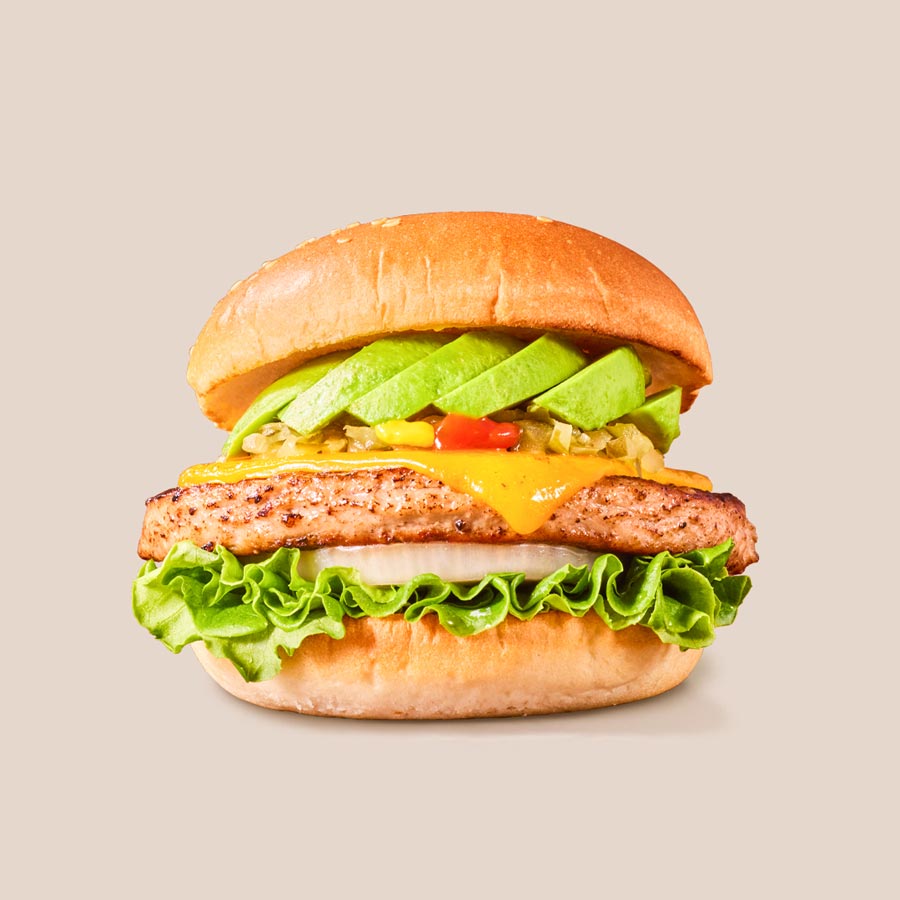
In the competitive landscape of global speedy food, the quest for the perfect balance between indulgence and perceived health often leads to the integration of “superfoods” into traditional menus. In Japan, this trend is exemplified by Freshness Burger, a chain that has carved out a niche by offering a more premium, customized experience than the standard global burger franchises. One of their standout offerings, the Classic Avocado Cheese Burger, represents a fusion of creamy textures and savory proteins that appeals to a modern, health-conscious yet flavor-driven consumer base.
For many diners, the appeal of the avocado cheese burger lies in its ability to provide a “hearty” meal that feels slightly more sophisticated than a standard cheeseburger. The addition of avocado adds a layer of richness and healthy fats, which complements the saltiness of the cheese and the savoriness of the beef. Still, the experience of dining at such establishments often extends beyond the main course, involving a strategic selection of side dishes that can either elevate or limit the overall meal experience.
The intersection of convenience and quality is particularly evident in urban transit hubs, such as the Gran Emio Oizumi Gakuen location. Here, the fast-food experience is integrated into the daily commute, offering a quick yet satisfying meal for those navigating the busy corridors of Tokyo’s outskirts. The ability to customize a meal—choosing specific sides or upgrading a set—is a hallmark of the Japanese fast-food philosophy, though it often comes with the constraints of “daily sets” that may limit certain options to standard french fries.
The Nutritional Profile of the Classic Avocado Cheese Burger
When analyzing the appeal of the Classic Avocado Cheese Burger, the nutritional data provides a clear picture of its positioning as a substantial meal. According to the official nutritional guidelines provided by Freshness Burger, the Classic Avocado Cheese Burger contains 629 calories. This calorie count places it in a mid-to-high range for a single burger, reflecting its “hearty” nature.
Beyond the caloric value, the burger’s composition is designed for a specific sensory experience. The creamy consistency of the avocado acts as a natural sauce, reducing the reliance on heavy mayonnaises or sugary ketchups, while the cheese provides the necessary structural saltiness. For the global consumer, this reflects a broader trend of incorporating plant-based fats into meat-centric dishes to improve mouthfeel and nutritional perception.
For those tracking their macronutrients, the breakdown of such a burger typically involves a significant amount of protein from the beef patty and healthy monounsaturated fats from the avocado. This combination is often sought after by individuals looking for a meal that provides sustained energy, making it a popular choice for a lunch that needs to carry a professional through a long afternoon of work.
Beyond the Potato: The Role of Lotus Root Chips
While french fries remain the global default for burger accompaniments, Freshness Burger has gained notoriety for diversifying its side menu. One of the most distinctive alternatives is the lotus root fry (renkon chips). Lotus root is a staple in East Asian cuisine, valued for its unique porous texture and mild flavor, which makes it an ideal candidate for frying.
The “Green Laver Cheese” variation of these lotus root fries is particularly notable. Based on the company’s nutritional data, a serving of these fries contains 183 calories. This makes them a lighter alternative to traditional large portions of potato fries, while adding a complex flavor profile through the apply of aonori (green laver), a seaweed that provides a distinct umami taste common in Japanese street food.
The desire for these specialized sides often clashes with the economics of “daily set” menus. In many Japanese fast-food outlets, a “set” (a burger, side and drink) is offered at a discount. However, these sets are frequently restricted to specific sides—most commonly potato fries. This creates a common dining dilemma where the consumer must choose between the cost-efficiency of the set and the culinary preference for a premium side like lotus root chips.
The Psychology of the “Culinary Revenge”
There is a recurring human experience in home cooking: the “failed ingredient.” Avocado, in particular, is notorious for its narrow window of ripeness. A consumer may purchase an avocado from a supermarket only to find it either rock-hard or overripe and spoiled, leading to the frustration of wasting the product. This creates a psychological drive for “revenge”—the desire to experience the ingredient perfectly prepared by a professional.
Visiting a specialized establishment like Freshness Burger allows the consumer to reclaim the experience of the ingredient without the risk of preparation failure. The guarantee of a perfectly ripe avocado slice in a burger serves as a corrective experience, transforming a previous culinary disappointment into a satisfying success. This dynamic highlights the value proposition of premium fast food: it is not just about the food, but about the reliability of the execution.
Quick Comparison: Main vs. Side Nutrition
| Menu Item | Calories (kcal) | Key Characteristic |
|---|---|---|
| Classic Avocado Cheese Burger | 629 | Hearty, creamy, protein-rich |
| Lotus Root Fry (Green Laver Cheese) | 183 | Umami-flavored, textured alternative |
Urban Dining and the Japanese Fast Food Evolution
The placement of Freshness Burger in locations like Gran Emio Oizumi Gakuen underscores the evolution of the “Ekichika” (near station) dining culture in Japan. These spaces are designed for maximum efficiency, catering to a demographic that values quality but has very little time. The transition from simple rice balls or sandwiches to gourmet burgers indicates a shift in consumer expectations toward more substantial, Western-influenced meals that do not sacrifice the local preference for unique ingredients like lotus root.
the integration of beverages like yuzu-flavored sodas alongside these meals demonstrates a commitment to refreshing, citrus-forward pairings that cut through the richness of the avocado and cheese. This holistic approach to the meal—balancing the heavy fats of the burger with the acidity of the drink and the crunch of the side—is a testament to the thoughtful curation of the menu.
As global food trends continue to merge, the success of items like the avocado cheese burger suggests that the future of fast food lies in “premiumization.” Consumers are increasingly willing to pay a slight premium for ingredients that are perceived as higher quality or more nutritious, provided the experience remains convenient and consistent.
For those interested in exploring these options, the next step is typically monitoring the seasonal menu rotations that Freshness Burger is known for, as they frequently introduce limited-time offers that further experiment with regional Japanese produce. Updates on new menu releases are typically posted on their official website.
We invite our readers to share their experiences with international fast-food trends. Do you prefer the standard potato fry, or are you adventurous enough to strive lotus root chips? Let us recognize in the comments below.
Keep reading