In my years practicing internal medicine at Charité in Berlin and reporting on global health trends, I have often observed a recurring theme: the dangerous gap between traditional craft and modern chemical safety. There is a certain romanticism associated with “home brew” or the clandestine allure of “hooch,” but beneath the surface of these artisanal pursuits lies a potent chemical risk. When the chemistry of the still interacts poorly with the biology of the human body, the result can be a severe medical emergency.
The primary culprit in many of these cases is copper. While we often think of copper as a benign household metal or a necessary micronutrient, in the context of illicit or improperly managed distillation, it can become a vehicle for acute poisoning. For those venturing into home distillation, understanding the threshold where a helpful catalyst becomes a systemic toxin is not just a matter of quality control—it is a matter of survival.
Copper toxicity in home brewing occurs when the metal leaches from the distillation equipment into the final spirit, often due to the high acidity of the fermenting mash or the use of non-food-grade materials. This creates a toxicological hazard that can lead to rapid gastrointestinal distress and, in severe cases, permanent organ damage. As we examine the intersection of metallurgy and medicine, it becomes clear that the “bootlegger’s” toolkit often contains a hidden poison.
The Chemistry of the Still: Why Copper?
To understand why copper is so prevalent in distilling, we must first look at its elemental properties. Copper, identified by the symbol Cu and atomic number 29, is a soft, malleable metal known for its exceptional thermal and electrical conductivity. It possesses a distinctive red-orange metallic luster and is second only to silver in its ability to conduct heat and electricity. These properties make it an ideal material for the construction of stills, where precise temperature control and efficient heat transfer are essential for separating alcohol from water.

Beyond its physical properties, copper serves a critical chemical function during the distillation process. During fermentation, yeast produces sulfur compounds that can give spirits an unpleasant, “eggy” smell and taste. Copper reacts with these volatile sulfur compounds, effectively stripping them from the vapor and purifying the final product. This chemical interaction is the reason why copper stills have remained the gold standard for centuries in the production of whiskey, gin, and brandy.
However, this same reactivity is what makes copper potentially dangerous. When a liquid is highly acidic—as is often the case with a fermenting mash or a “sour” brew—the copper can undergo a process called leaching. Instead of reacting only with sulfur, the acid begins to dissolve the metal itself, releasing copper ions into the liquid. If the equipment is made from industrial-grade copper, which may contain impurities or be coated in toxic lacquers, the risk of contamination increases exponentially.
The Path to Poisoning: How Copper Toxicity Occurs
Acute copper toxicity is rarely the result of a balanced diet; rather, it is the consequence of sudden, high-dose ingestion. In the world of home brewing, this typically happens through two primary channels: the use of contaminated equipment and the failure to manage the pH levels of the brew.
When an amateur distiller uses a “makeshift” still—constructed from scrap copper piping or old industrial radiators—they are exposing their brew to metals that were never intended for human consumption. Industrial copper is often alloyed with other heavy metals or treated with chemicals to prevent corrosion in plumbing. When the acidic alcohol mash passes through these pipes, it doesn’t just leach copper; it can pull lead, arsenic, or cadmium into the spirit. This cocktail of heavy metals can cause systemic failure long before the consumer realizes they have been poisoned.
Even with pure copper, the risk remains if the brew becomes too acidic. If the pH drops too low, the rate of copper leaching increases. This is particularly dangerous in “hooch” production, where fermentation is often uncontrolled and additives may be used to speed up the process, further altering the chemical environment of the still. The resulting spirit may contain concentrations of copper that far exceed the body’s ability to process and excrete the metal.
Clinical Manifestations: What Happens to the Body?
As a physician, I view copper toxicity as a multi-stage assault on the body’s most vital systems. Copper is an essential trace element, but in excess, it becomes a potent pro-oxidant, generating free radicals that destroy cellular membranes through lipid peroxidation.
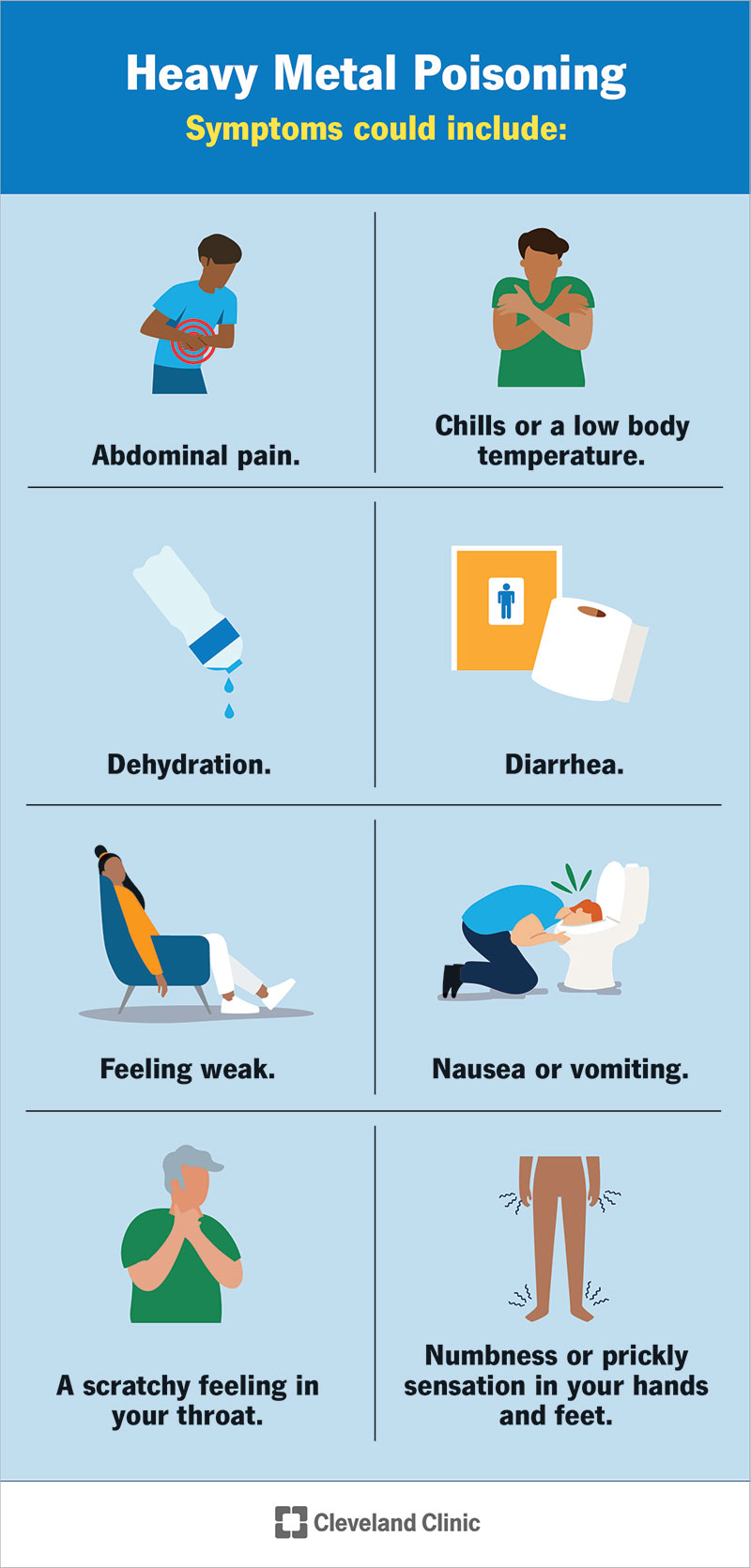
The first signs of acute copper poisoning are typically gastrointestinal. Within hours of ingestion, the victim may experience severe nausea, persistent vomiting, and abdominal pain. In many cases, the vomit may have a characteristic blue or green tint, a direct result of the copper salts present in the stomach. This stage is often mistaken for simple alcohol poisoning or foodborne illness, which can lead to a dangerous delay in medical treatment.
If the toxic dose is high enough, the poison moves from the gut into the bloodstream, targeting the liver and kidneys. The liver is the primary organ responsible for copper homeostasis, excreting excess copper through bile. However, when the liver’s capacity is overwhelmed, copper begins to accumulate in the hepatocytes, causing oxidative stress and acute hepatic necrosis. This can manifest as jaundice—a yellowing of the skin and eyes—and a rapid decline in liver function.
The kidneys are the second line of defense, but they are equally vulnerable. High levels of copper can cause acute tubular necrosis, leading to kidney failure. Patients may notice a significant decrease in urine output or the presence of blood in the urine. In the most severe cases, the combination of liver and kidney failure leads to systemic shock and coma. According to the National Library of Medicine, acute copper poisoning is a medical emergency that requires immediate intervention, often involving chelation therapy to bind the metal and remove it from the body.
Lessons from the Bootlegging Era
The history of “bootlegging” provides a grim case study in the dangers of unregulated home brewing. During periods of prohibition or economic hardship, the demand for cheap alcohol led to the proliferation of clandestine stills. These operations rarely prioritized safety, often utilizing any available metal for their condensers and boilers.
Historically, the danger was not limited to copper alone. Many bootleggers used lead-soldered joints to seal their copper pipes. The acidic nature of the alcohol acted as a solvent, leaching both copper and lead into the “moonshine.” This created a dual-threat toxin: the acute effects of copper poisoning combined with the chronic, neurotoxic effects of lead. The public health crises of these eras highlighted a critical transition in toxicology—the shift from industrial occupational hazards to consumer-facing risks.
In the past, heavy metal poisoning was largely the domain of miners or factory workers. However, the rise of home-distilled spirits brought these risks into the domestic sphere. It forced public health officials to recognize that “home-made” does not always mean “natural” or “safe.” The legacy of the bootlegging era serves as a reminder that when we bypass regulated safety standards in the name of tradition or cost-saving, we are often gambling with our biological health.
Distinguishing Acute Toxicity from Chronic Conditions
It is important to distinguish between the acute poisoning seen in home brewing and chronic copper accumulation disorders, such as Wilson’s Disease. While both involve an excess of copper, the mechanisms and presentations differ significantly.

- Acute Toxicity: Caused by the sudden ingestion of high concentrations of copper salts (e.g., from a contaminated still). It presents as a rapid-onset medical emergency with gastrointestinal distress and potential organ failure.
- Chronic Accumulation (Wilson’s Disease): A genetic disorder where the body cannot properly excrete copper, leading to a slow buildup over years. This typically manifests as neurological issues, tremors, and liver cirrhosis, often appearing in late childhood or early adulthood.
In the context of “hooch” and home brews, we are almost always dealing with acute toxicity. The danger is not a genetic predisposition but an external chemical exposure. This makes the risk preventable through proper education and the use of certified materials.
Safety Guidelines for the Modern Enthusiast
For those who choose to engage in legal home brewing or distilling, the priority must be the elimination of toxic leaching. The goal is to utilize the heat-conducting and sulfur-removing properties of copper without allowing the metal to contaminate the final product.
only food-grade copper should be used. Industrial copper, plumbing pipes, and recycled radiators are strictly forbidden in any food or beverage application. Food-grade copper is refined to remove hazardous impurities like lead and arsenic and is designed to withstand the corrosive nature of acidic liquids. Many professional distillers use stainless steel for the main boiler and reserve copper only for the condenser or “thumper” to balance safety with the need for sulfur removal.

Secondly, monitoring the pH of the mash is essential. If the fermentation becomes excessively acidic, the risk of leaching increases. Using buffers to maintain a stable pH can protect both the flavor of the spirit and the health of the consumer. The “foreshots” and “heads”—the first portions of the distillation run—should be discarded, as they often contain the highest concentration of volatile impurities and potential contaminants.
Finally, the use of lead-free solder is non-negotiable. Any joint in a still must be sealed with food-safe materials or, preferably, welded using techniques that do not introduce foreign metals into the system. The historical tragedies of lead-leached moonshine are entirely avoidable with modern materials.
The Broader Public Health Perspective
The issue of copper toxicity in home brewing is a microcosm of a larger public health challenge: the regulation of “grey market” consumables. Whether it is unregulated supplements, home-distilled spirits, or artisanal cosmetics, the lack of oversight often leads to the introduction of heavy metals into the human body.
From a policy perspective, the solution is not necessarily the prohibition of the craft, but the democratization of safety knowledge. When people understand the chemistry of leaching and the clinical signs of metal poisoning, they are more likely to invest in the correct equipment. Public health initiatives should focus on providing accessible guidance on food-grade materials and the dangers of industrial scrap in food production.
As we move further into an era of “DIY” culture, the responsibility falls on both the practitioner and the health community to ensure that curiosity does not lead to catastrophe. The allure of the home brew should never outweigh the fundamental requirement of chemical safety.
Key Takeaways for Safety
- Use Food-Grade Only: Never use industrial copper or scrap piping for distilling; these often contain lead, arsenic, or toxic coatings.
- Manage Acidity: High acidity in the mash increases the rate of copper leaching into the spirit.
- Recognize Symptoms: Acute copper poisoning presents as nausea, vomiting (sometimes blue/green), and abdominal pain.
- Protect Organs: Severe toxicity can lead to acute liver failure and kidney necrosis.
- Prioritize Material: Consider stainless steel for boilers and food-grade copper only for specific sulfur-removal stages.
The next critical step for those interested in the safety of home distillation is to consult the latest guidelines from the Food and Drug Administration (FDA) or equivalent national health regulators regarding food-contact substances. Ensuring that your equipment meets these standards is the only way to guarantee that your hobby does not become a health crisis.
Do you have experience with home brewing safety or a question about the materials you’re using? Share your thoughts in the comments below or share this article to help others brew safely.