
Heavy rainfall across Bangkok and its surrounding provinces on Tuesday triggered widespread flooding and significant traffic congestion, with the Bang Khen district recording the highest precipitation levels at 71.0 millimeters. According to reports from the Bangkok Metropolitan Administration (BMA) and traffic management authorities, the intense downpour caused “water waiting for drainage” in several low-lying areas, particularly impacting major thoroughfares during the evening commute.
The precipitation, which intensified throughout the afternoon and early evening, led to immediate flooding on key arterial roads, including Ram Inthra Road. Motorists were advised to avoid the area near the local post office and Ram Inthra Soi 5, where water accumulation significantly impeded vehicle flow. The Meteorological Department of Thailand continues to monitor convective cloud development, which has prompted warnings for commuters to remain vigilant regarding rapid changes in road conditions.
Impact on Bangkok Traffic and Road Infrastructure
The flooding of major roads in the capital has reignited concerns regarding the city’s drainage capacity during the monsoon season. Following the heavy rainfall, traffic authorities reported localized flooding on Prasoet Manukit Road, a critical route for commuters in the northern and eastern parts of the city. The accumulation of water, often described locally as “waiting for drainage,” occurs when the volume of rainfall exceeds the immediate capacity of the city’s pipe and canal networks.
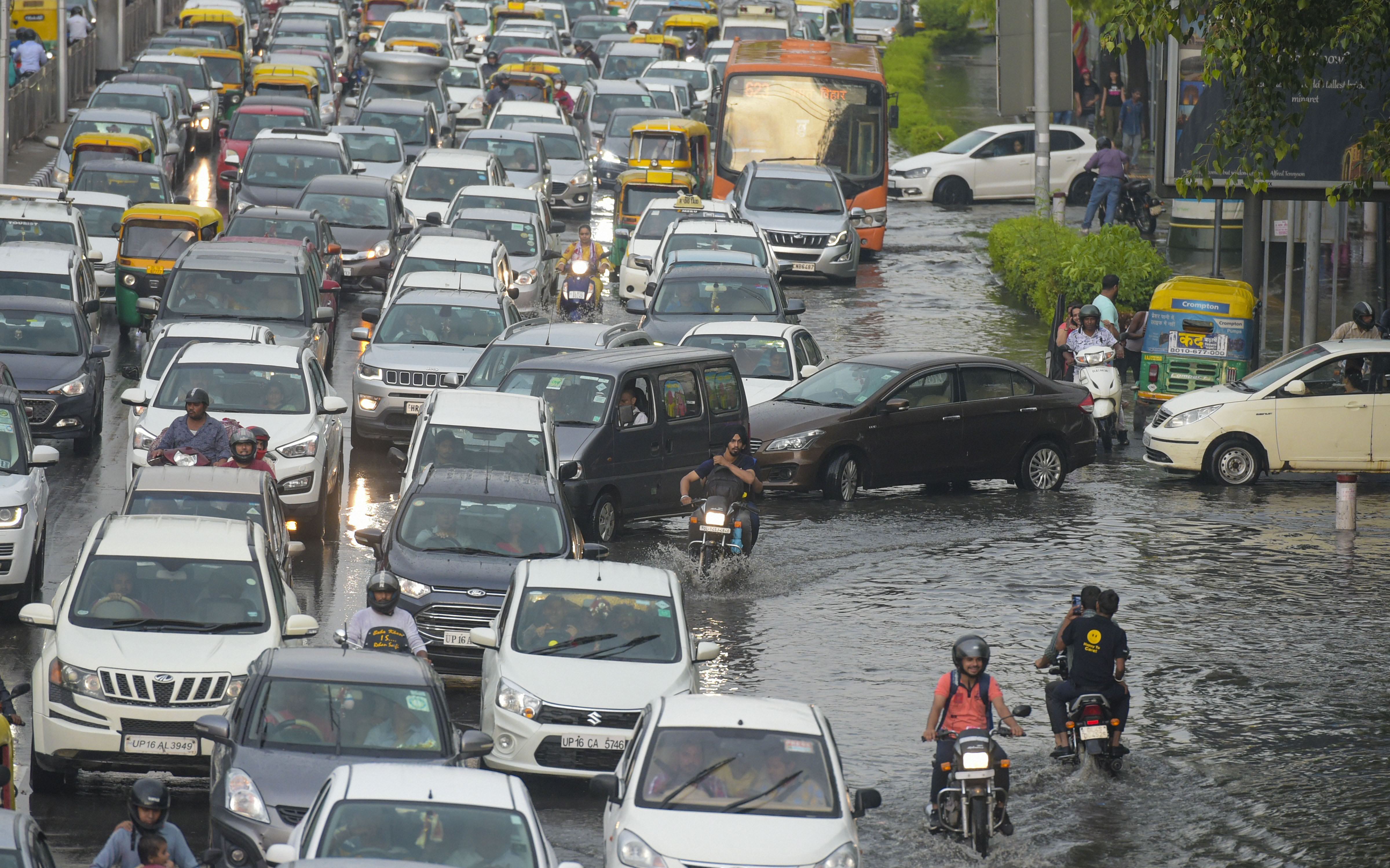
According to updates from the Bangkok Flood Control Center, water levels are being managed through the operation of pumping stations in high-risk districts. However, the speed of drainage is frequently hampered by debris and the sheer volume of water during peak storm intensity. Drivers are encouraged to check real-time traffic updates via the Bangkok Metropolitan Administration website or local traffic radio services before traveling, as conditions can shift rapidly depending on the movement of rain cells.
Meteorological Outlook and Moving Rain Cells
Meteorological data indicates that the rain cells responsible for the flooding are moving in a north-northwesterly direction. Radar tracking by the Thai Meteorological Department shows that these systems are traversing areas including Bang Len, Bang Yai, and Lat Lum Kaeo before heading toward Bang Sai and Bang Pa-in. This movement pattern suggests that suburban areas and neighboring provinces should prepare for similar weather conditions in the immediate term.
The phenomenon is attributed to the seasonal southwest monsoon, which typically brings increased moisture and precipitation to the central region of Thailand throughout June. The Thai Meteorological Department provides daily bulletins that detail the expected intensity and path of these storms. Residents living in flood-prone zones are advised to clear household drains and move valuable items to higher ground as a precautionary measure against sudden flash flooding.
Public Safety and Reporting Channels
In response to the disruption, local authorities have mobilized teams to assist with traffic management and to ensure that drainage pumps remain operational. The BMA has emphasized that while the primary goal is to clear surface water as quickly as possible, the intensity of recent storms requires patience from road users. Citizens experiencing severe flooding or requiring emergency assistance are encouraged to contact the city’s 1555 hotline, which operates 24 hours a day for public service requests.

For those navigating the city, utilizing community-based traffic reporting platforms and official government social media channels remains the most effective way to identify flooded routes. As the weather remains unstable, authorities have indicated that they will continue to issue hourly updates on water levels and road accessibility until the current weather system dissipates. Updates regarding the situation are expected to continue through the next 24 to 48 hours as the monsoon trough remains active over the region.
We invite readers to share their experiences or report traffic conditions in their local areas in the comments section below. Stay tuned to our World Today Journal news feed for further updates on weather developments and their impact on urban infrastructure.
Related reading