
International health authorities have provided clarification regarding the status of hantavirus monitoring, following reports of a potential outbreak conclusion. There is no global, singular “outbreak” of hantavirus currently being tracked by the World Health Organization (WHO) as a unified pandemic event; rather, hantavirus infections are typically managed as localized, zoonotic incidents. According to the World Health Organization, hantaviruses are transmitted to humans primarily through contact with the urine, feces, or saliva of infected rodents, making regional surveillance the primary tool for public health control.
The recent confusion regarding a “July 2” end date appears to stem from localized administrative reporting cycles rather than a shift in the global epidemiological status of the virus. In the United States, the Centers for Disease Control and Prevention (CDC) maintains that hantavirus pulmonary syndrome (HPS) remains a rare, sporadic disease. Health officials emphasize that because hantaviruses are not transmitted from person to person, there is no “outbreak” in the traditional sense that requires a global declaration of termination. Instead, state and local health departments continue to monitor rodent populations and human exposure risks on an ongoing basis.
Understanding Hantavirus Transmission and Risk
Hantaviruses are a family of viruses spread mainly by rodents. Humans typically contract the virus when they breathe in aerosolized particles from rodent excreta in enclosed, poorly ventilated spaces. As noted by the CDC, early symptoms often mimic influenza, including fever, muscle aches, and fatigue. Without prompt medical intervention, these symptoms can progress rapidly to severe respiratory distress.
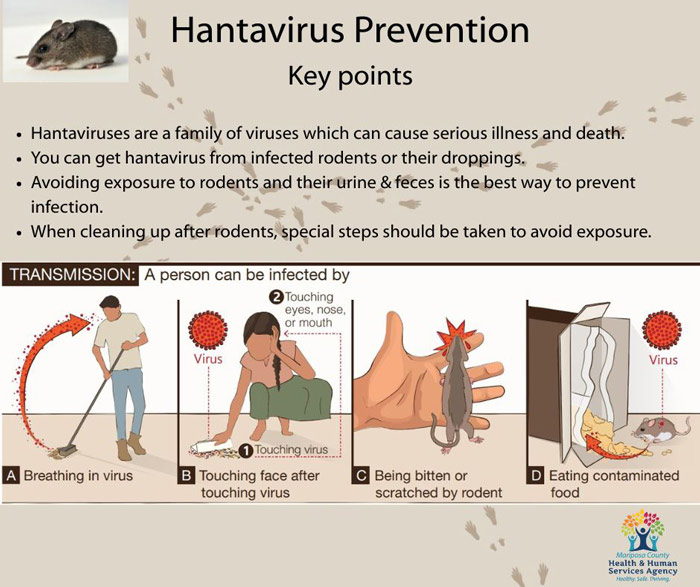
Public health experts stress that the risk of infection is highest in rural areas where humans may come into frequent contact with deer mice and other reservoir species. Unlike viral pathogens that spread through respiratory droplets between humans, hantavirus prevention focuses on environmental hygiene. This includes sealing homes against rodent entry and using wet-cleaning methods to avoid kicking up dust in areas where rodents have nested.
Global Surveillance and Public Health Policy
The WHO serves as a coordinating body for infectious disease information, but it relies on member states to report confirmed cases of hantavirus. Because the virus does not typically cause large-scale, international outbreaks, it is not subject to the same emergency declarations as pathogens like influenza or SARS-CoV-2. The data regarding “conclusion dates” often refers to the closing of specific investigation files by local health authorities after no further human cases are linked to a specific rodent exposure site.
For residents in regions where hantavirus is endemic, health authorities advise maintaining vigilance throughout the year rather than waiting for seasonal updates. The Pan American Health Organization provides ongoing guidance for the Americas, where specific strains like the Andes virus have demonstrated the rare capacity for person-to-person transmission, necessitating more stringent public health protocols compared to North American strains.
How to Access Official Health Advisories
Readers seeking accurate information regarding disease outbreaks in their area should rely on official government health portals. These sites provide the most current data on confirmed cases and, if necessary, specific public safety warnings.
- United States: Consult the CDC Hantavirus Information Page for state-specific case counts and prevention strategies.
- International: Monitor the WHO Disease Outbreak News portal for reports on significant zoonotic events that meet the threshold for international concern.
- Regional Health Departments: Local health agencies are the primary source for alerts regarding local rodent activity or localized environmental risks.
As of mid-2024, no international health emergency related to hantavirus has been declared. Public health monitoring remains a routine, localized activity. For further updates on infectious disease control, readers are encouraged to follow official bulletins from their national health ministries. We will continue to monitor official reports and provide updates as verified information becomes available.
Related reading
- Medicare to Spend $13B+ on Medicare Advantage Quality Bonus Program in 2026
- Fighting Childhood Dementia: The Heartbreaking Story of Celina and the Community Rallying to Help
- Ebola Outbreak in DR Congo on Track to Surpass Historic West African Crisis (time.news)
- Deadly Houthi Red Sea Attack: 3 Crew Members Killed on Cargo Ship (archyworldys.com)