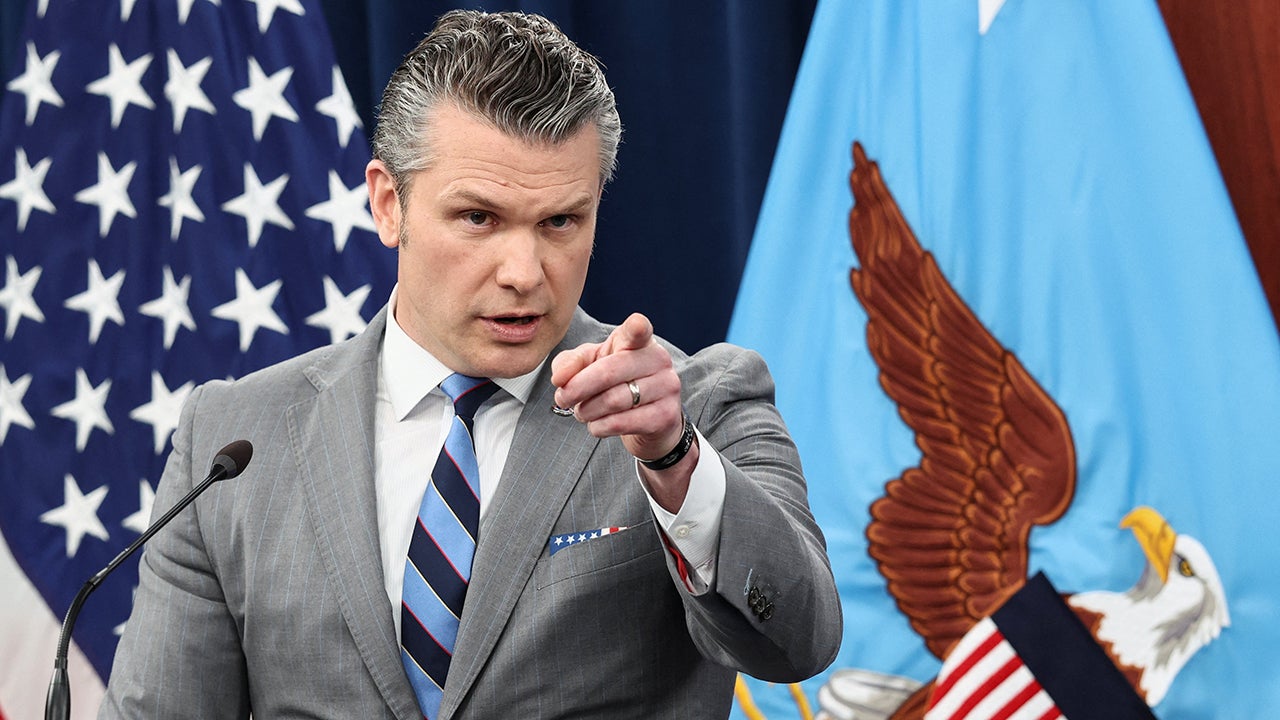
Defense Secretary Pete Hegseth has issued a stark warning to Iran regarding maritime security in the Strait of Hormuz, stating that U.S. Forces will “shoot to destroy” any vessels attempting to lay mines in the critical waterway. The remarks underscore escalating tensions as the United States maintains a naval blockade aimed at curbing Iranian influence in the region, according to multiple reports from April 2026.
Hegseth’s comments were made during a press briefing where he emphasized that the U.S. Military would not hesitate to utilize force to protect commercial shipping lanes. He framed the action as necessary to ensure freedom of navigation, particularly in light of recent incidents involving Iranian-backed groups targeting maritime traffic. The Strait of Hormuz, through which approximately one-fifth of global oil consumption passes, remains a focal point of geopolitical strain between Washington and Tehran.
The defense secretary also reiterated that the U.S. Naval presence in the area would continue “as long as it takes” to achieve strategic objectives, signaling a prolonged commitment to regional security. This stance aligns with broader efforts by the Trump administration to pressure Iran through economic and military means, including sanctions and increased naval deployments.
European and Asian allies have come under criticism from Hegseth for relying on U.S. Military capabilities to secure the strait without contributing proportionally to the effort. He urged these nations to grab greater responsibility for safeguarding their own energy interests, arguing that the burden should not fall solely on American forces.
In related developments, U.S. Envoys Steve Witkoff and Jared Kushner were reported to be heading to Pakistan to resume indirect talks with Iranian officials, aiming to de-escalate tensions through diplomatic channels. While the discussions are expected to focus on maritime security and potential confidence-building measures, no formal agreements have been announced as of late April 2026.
The U.S. Navy has reportedly turned back dozens of vessels attempting to approach Iranian waters as part of the ongoing blockade, which officials say is designed to prevent the smuggling of weapons and illicit goods. But, independent verification of the exact number of interdictions remains unavailable in publicly accessible sources.
Hegseth has previously described the U.S. Approach to Iran as a “gift to the world,” arguing that confronting Tehran’s regional ambitions ultimately benefits global stability. Critics, however, contend that such rhetoric risks escalating conflict rather than resolving it through negotiation.
As of the latest available information, no direct military engagements between U.S. And Iranian forces have been confirmed in the Strait of Hormuz during this period. Both sides continue to operate within a framework of deterrence, with each monitoring the other’s movements closely.
For ongoing updates on U.S.-Iran relations and developments in the Strait of Hormuz, readers are encouraged to consult official statements from the U.S. Department of Defense and the State Department, which regularly publish briefings and press releases on regional security matters.
What are your thoughts on the U.S. Stance in the Strait of Hormuz? Share your perspective in the comments below and aid foster informed discussion on this critical issue.
- Josh Kerr Smashes 27-Year-Old Mile World Record in London
- OFC 6-1 Victory for Aschaffenburg Children’s Hospice Charity Match
- Trump Calls 2026 World Cup the Biggest Sporting Event Ever (world-today-news.com)
- Iran War Updates: U.S. launches 7th straight day of strikes as traffic freezes up in Strait of Hormuz (archyworldys.com)