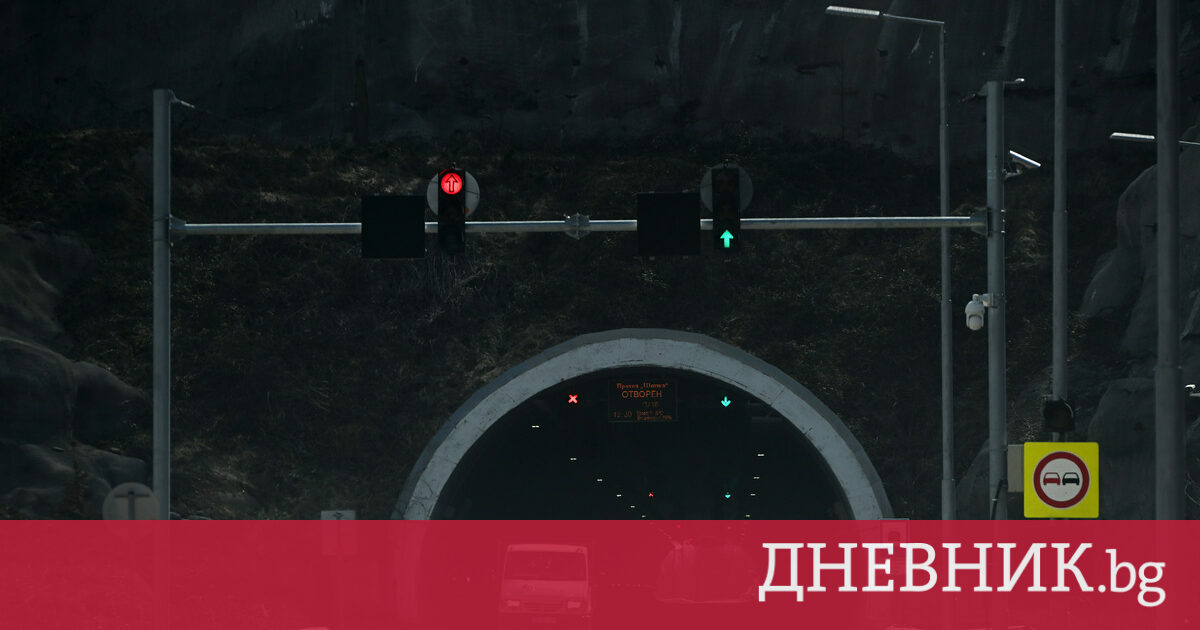
Bulgarian authorities are investigating whether a major traffic blockade on the Hemus motorway was a calculated act of sabotage. The incident, which occurred on April 13, 2026, centered around a heavy goods vehicle (HGV) that stopped in the Vitinya tunnel, creating severe congestion for travelers returning to Sofia at the end of the Easter holiday weekend.
The Ministry of Interior (MVR) has launched a full investigation into the circumstances surrounding the Hemus motorway blockade, focusing on why a truck driver refused immediate assistance while obstructing one of the country’s primary arterial routes. Initial reports suggest the vehicle was not actually disabled, contradicting the driver’s claims of technical failure.
The disruption took place during a period of intense traffic across Bulgaria’s main highways, including the Struma, Maritsa and Trakia motorways. But, the most critical bottleneck was recorded on the Hemus motorway, specifically from the Pravesh Hanov tunnel toward the capital, exacerbated by the stationary truck in the Vitinya tunnel according to reports from April 13, 2026.
Investigation Into Intentional Sabotage
The Ministry of Interior is utilizing all available resources to determine if the incident was a deliberate attempt to disrupt traffic. According to the MVR, the driver initially claimed the truck had broken down due to technical reasons. However, this claim is being challenged by the driver’s subsequent actions.
Officials confirmed that the driver was offered free roadside assistance to tow the vehicle out of the tunnel but refused the offer on April 13, 2026. Instead, the driver insisted on a specific towing company, which reportedly would have had to travel from the opposite end of the country to reach the site. This refusal to accept immediate, free help has led the MVR’s chief secretary to suggest that the event may have been an intentional act of sabotage as reported by Dnes.bg.
The investigation is now focusing on the mechanical state of the vehicle. Law enforcement is working to establish whether the truck was actually malfunctioning or if it was fully operational at the time it was stopped in the tunnel per reports from Dnes.dir.bg.
Impact on Holiday Travel
The timing of the blockade coincided with the “great return” after the Easter holidays, a period characterized by peak traffic volumes. The Vitinya tunnel is a critical point on the Hemus motorway; when a vehicle stops in the tube heading toward Sofia, it effectively halts the flow of thousands of vehicles.
The resulting congestion was not limited to the tunnel itself but rippled back across the motorway, creating some of the most significant delays seen during the holiday period. This has prompted authorities to treat the matter not merely as a traffic incident, but as a potential security or public order issue.
Next Steps and Legal Proceedings
To finalize the findings, the MVR is relying on two primary pieces of evidence: a technical expert evaluation of the truck and witness testimony. These will be used to determine if the driver’s actions constitute a crime of intentional sabotage on April 13, 2026.

The investigation remains active as officials seek to clarify the ownership of the vehicle and the motives behind the driver’s refusal of assistance. The Ministry of Interior has stated it will use all necessary resources to resolve the case and ensure accountability for the disruption caused to the public.
The next confirmed step in the process is the completion of the technical expertise and the formal questioning of witnesses to determine the legality of the driver’s actions.
World Today Journal encourages readers to share this story and leave their comments below regarding the management of critical infrastructure during national holidays.
Related reading